
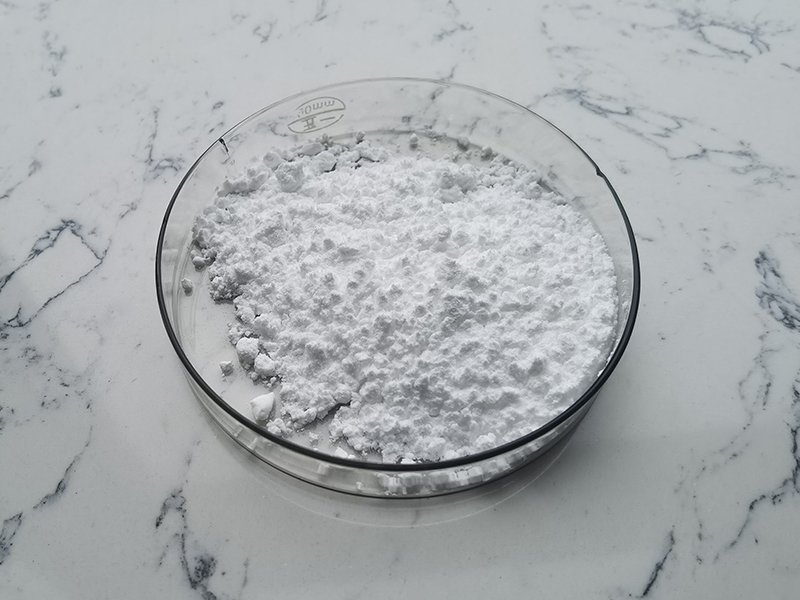
Benfotiamine (rINN, or S-benzoylthiamine O-monophosphate) is a synthetic, fat-soluble, S-acyl derivative of thiamine (vitamin B1) that is approved in some countries as a medication or dietary supplement to treat diabetic sensorimotor polyneuropathy. Benfotiamine was developed in the late 1950s in Japan.
✅ What is Benfotiamine
- Benfotiamine is a lipid‑soluble analogue of thiamine (vitamin B1). The body converts it into thiamine (or thiamine diphosphate) after absorption.
- Because it is fat‑soluble it has higher bioavailability (better absorption into tissues) than standard thiamine salts.
- It was developed in Japan in the early 1960s for treating some neuropathies and thiamine‑deficiency related conditions.

✅ What are the claimed benefits
Here are some of the uses and claims, along with what the evidence says:
Potential uses
- Nerve damage/neuropathy (especially in people with diabetes). Some early studies suggest improvements in nerve pain or neuropathic symptoms using benfotiamine.
- Protection against advanced glycation end‑products (AGEs). Benfotiamine is claimed to help reduce formation of AGEs (which are linked to complications in diabetes, aging, etc).
- Possibly supporting glucose metabolism and reducing complications of high blood sugar. Some mechanistic evidence but human evidence is less strong.
- Other claimed areas: cognitive support (e.g., in mild Alzheimer’s), alcohol‑use related neuropathy, general nerve health. These are far less well‑established.
✅ What the evidence says
- According to a review, benfotiamine “can improve pain and other symptoms of nerve damage caused by diabetes” in some cases.
- However, for other complications (e.g., kidney damage in diabetes) the evidence is weaker: “does not seem to improve markers of kidney damage” in one case.
- Long‑term data are limited. For many of the claimed benefits (cognitive decline, general nerve health, etc) more research is needed.

✅ Safety, Dosage & Considerations
Safety
- Short‑term use (up to about 600 mg daily for up to 24 weeks) appears likely safe in healthy adults, with few side effects noted.
- Some adverse reactions have been reported, albeit rarely: gastrointestinal upset, skin rash, etc.
- High doses (e.g., up to ~1,200 mg daily for 10 days) did not report major adverse effects in one small study, but the data are limited.
- There is limited safety data for pregnant or nursing people, children, and for very long‑term use.
Dosage
- There is no established standard dosage for benfotiamine in treating specific conditions (since it’s a supplement and not approved as a drug for most uses).
- In clinical studies for neuropathy, doses like 300 mg twice daily (i.e., 600 mg total) have been used.
- For general use, some sources suggest starting lower and seeing how you respond, but this is not a medical recommendation.
✅ Practical considerations
- Because benfotiamine is more bioavailable, you may achieve effects at lower doses than standard thiamine.
- If you’re taking medications, especially for diabetes, or if you have kidney/liver disease, it’s important to check with a healthcare provider.
- As with any supplement: product quality matters (look for reputable brands, third‑party testing).
- Supplements are not regulated in the same way as prescription drugs in many jurisdictions — claims may exceed evidence.
✅ Summary & My Take
If I were to summarise:
- Benfotiamine is a well‑characterised derivative of vitamin B1 with promising mechanistic rationale (better absorption, potential to reduce damage from high glucose etc).
- There is some human evidence, particularly for diabetic neuropathy, but it’s not definitive for many of the other claimed uses.
- It appears reasonably safe in the short term for most healthy adults, but long‑term safety and efficacy data are thin.
- It should not be seen as a replacement for standard medical care (for diabetes, neuropathy, etc) but rather as a potential adjunct under supervision.
If you like, I can look up specific brands of benfotiamine supplements available in Japan (or Asia) and compare quality/price (non‑endorsement) so you can see what’s available locally. Would you like me to do that?