
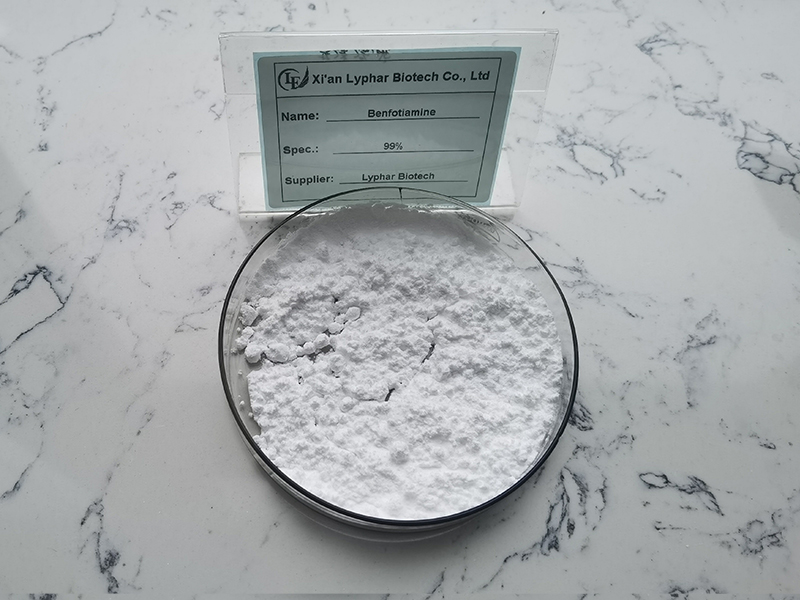
Benfotiamine is a fat-soluble derivative of vitamin B1 (thiamine).
Its main medical relevance for diabetes is prevention of biochemical damage caused by chronic high blood sugar.
Mechanisms (main understood actions)
Chronic hyperglycemia → increases formation of “AGEs” (Advanced Glycation End products) → leads to inflammation + nerve damage + microvascular damage.
Benfotiamine → increases activity of “transketolase” enzyme → this shunts glucose metabolites away from pathways that create AGEs.
So you get ↓ AGEs formation, ↓ oxidative stress, ↓ inflammation signal.
What is the clinical effect?
- Neuropathy (numbness, burning, tingling)
→ This is the area with the strongest human clinical evidence.
Many studies and meta-analyses show that benfotiamine can reduce diabetic neuropathy symptoms.
- Retinopathy, nephropathy, vascular damage
→ Mechanistically promising (less AGEs) but human data is still limited.
So we cannot say it “treats” these yet, but it is being studied.
- Blood glucose level
→ It does NOT lower blood glucose.
It works on damage control, not sugar control.
Safety, dose
Typical studied ranges:
- 300 mg / day — 600 mg / day
(in divided doses)
Well tolerated in most people.
Summary
| Item | Does benfotiamine help? | Comment |
| Blood sugar control | ❌ | No effect |
| Prevent neuropathy | ✅ | Good evidence |
| Improve neuropathy symptoms | ✅ | Good evidence |
| Protect kidney/retina | ? | Mechanistic yes, clinical evidence insufficient |
So:
- For diabetes mellitus, benfotiamine is useful mainly as a microvascular & nerve damage protector.
- It is adjunct to diabetes therapy, not a replacement for glucose-lowering treatment.
If you want, I can also provide:
- Summary of clinical trial references
- Comparison with alpha-lipoic acid (also commonly used for diabetic neuropathy)
- Recommended protocol suggestions (Benfotiamine + B1 + B6 + B12 combination)