
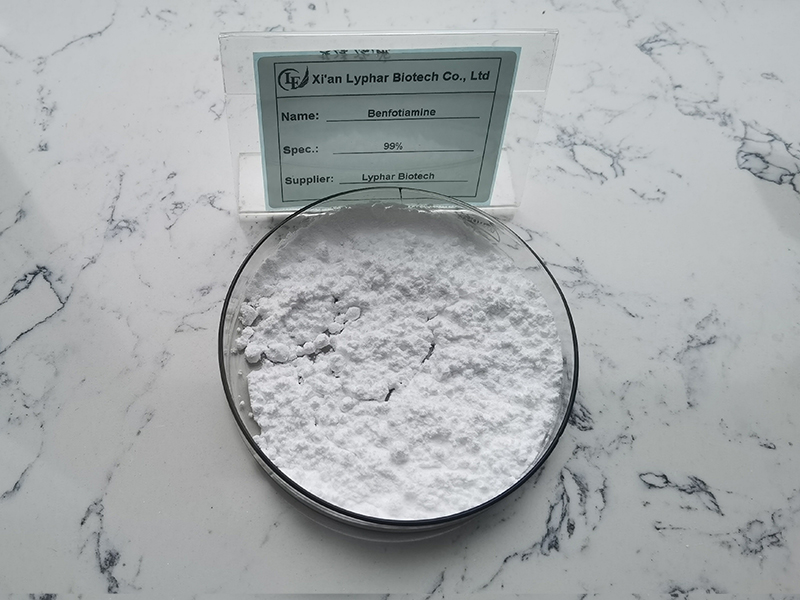
Benfotiamine = a synthetic, lipid-soluble form of thiamine (vitamin B1).
It was designed to get much higher blood levels than normal B1.
What does it do mechanistically?
Main 3 mechanisms (based on human + mechanistic literature):
| Mechanism | Summary |
| ↑ Transketolase activation | Pushes excess glucose metabolites into non-toxic pathways |
| ↓ AGE (advanced glycation end-product) formation | Reduces glycation stress on nerves, vessels |
| ↓ Oxidative / inflammatory signaling (NF-κB etc) | Down regulates some inflammatory cascades |
This is why most of its value shows up in high glucose or glycation contexts.

Main areas where benfotiamine shows benefit data
1) Diabetic peripheral neuropathy
This is where the best human clinical data is
- Multiple trials show ↓ pain, ↓ paresthesia, improved vibration sense
- Synergy data when combined with B6/B12 also exists
Benfotiamine is not a pain killer — it is disease-mechanism targeted (reducing glycation and metabolic stress to nerves)
2) Diabetic microvascular complications (retina, kidney, endothelium)
Not a drug, not FDA approved for these, but mechanistically/research wise:
- Reduces tissue AGEs
- Improves endothelial nitric oxide in some studies
Mostly mechanistic or small trials — promising signals.
3) General glycation protection / anti-AGE
AGEs are not only in diabetes — they accumulate with age, high heat cooking, etc.
Benfotiamine is one of the very few supplements specifically shown to lower AGE formation.
So targeted use in “anti-glycation / anti-aging metabolic protection” strategies is rational.
Dose ranges
| Target | Typical Dose Range |
| Diabetic neuropathy (most clinical trials) | 300–600 mg/day |
| General glycation defense | 150–300 mg/day |
| Short term high carb meal “shield” | 150–300 mg pre heavy meal (bro-science + small mechanistic support, not a formal guideline) |
Take with food / fat → absorption is good.
Safety
Generally safe. Common consideration:
- If on diabetes meds → glucose can improve → watch blood sugar (risk of more hypoglycemia if meds not adjusted)
- Avoid in pregnancy (simply lack of safety data)
Bottom Line
Benfotiamine function
= metabolic correction of excess glucose damage → less glycation → better nerve metabolic health.
Benfotiamine efficacy
= best studied and most clinically supported benefit is diabetic neuropathy symptom improvement.
Everything else is plausible and partially supported mechanistic + small clinical evidence, but not at same evidence tier.
If you want, I can tailor the explanation for your intended use:
- Is your interest neuropathy, prediabetes, anti-aging / anti-glycation, or just general energy / brain? Tell me your target and I’ll give a precise protocol and expectation-setting.