
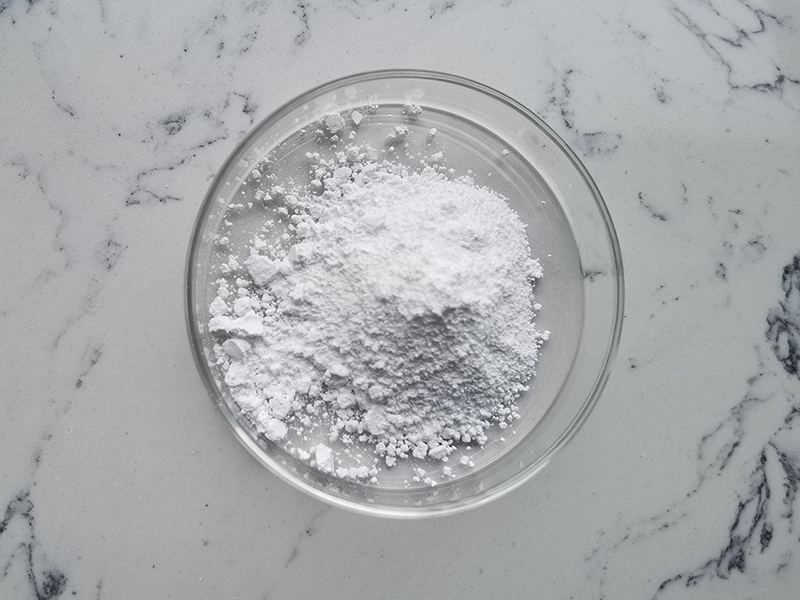
Boron Nitride (BN) is a unique compound composed of boron and nitrogen atoms (Boron Nitride) that exhibits exceptional thermal, mechanical, and chemical properties. Depending on its structure—hexagonal (h-BN), cubic (c-BN), or amorphous (a-BN)—its functions and efficacy vary widely.
1. Thermal Properties and Efficacy
High Thermal Conductivity:
Hexagonal Boron Nitride has excellent heat conduction, comparable to graphite, making it effective for heat dissipation in electronics, semiconductors, and LED devices.
Thermal Stability:
Boron Nitride remains stable up to ~1000°C in air and ~2000°C in inert atmospheres, which makes it ideal for high-temperature environments (e.g., crucibles, furnace linings).
Function:
Used as a thermal management material in electronics, coatings, and composite materials.

2. Mechanical Strength and Hardness
Cubic Boron Nitride (c-BN):
Second only to diamond in hardness; extremely wear-resistant.
High Fracture Toughness:
Offers mechanical robustness in cutting and abrasive tools.
Function:
Serves as a superhard material for grinding wheels, cutting tools, and polishing applications.
3. Electrical and Insulating Properties
Electrical Insulator:
Boron Nitride has high electrical resistivity, even at high temperatures, unlike graphite.
Dielectric Stability:
Stable dielectric constant makes it useful in high-power and high-frequency devices.
Function:
Used as an electrical insulator and dielectric material in microelectronics and aerospace components.
4. Chemical Inertness
Corrosion and Oxidation Resistance:
Boron Nitride is chemically inert to most acids, alkalis, and molten metals.
Non-reactive Surface:
Prevents contamination in sensitive chemical and metallurgical processes.
Function:
Used as a protective coating and crucible lining for handling reactive materials.
5. Lubrication and Surface Functionality
Solid Lubricant:
Hexagonal Boron Nitride acts like graphite, providing low friction and self-lubricating properties without electrical conductivity.
Non-toxic and Chemically Clean:
Suitable for food-processing, medical, and vacuum environments.
Function:
Used as a dry lubricant, release agent, and coating additive in high-temperature and vacuum systems.
6. Optical and Structural Applications
UV Transparency:
Boron Nitride films are transparent to ultraviolet light, useful in optical coatings and deep-UV devices.
Nanostructures (Boron Nitride nanotubes and nanosheets):
Exhibit high strength, flexibility, and thermal stability, expanding use in nanocomposites and energy storage devices.
Summary Table
| Property | Efficacy | Function / Application |
| Thermal conductivity | Excellent (~400 W/m·K) | Heat spreaders, electronic substrates |
| Hardness | Very high (c-BN) | Cutting tools, abrasives |
| Electrical insulation | Excellent | Electronics, aerospace insulators |
| Chemical stability | Outstanding | Protective coatings, crucibles |
| Lubrication | Superior (h-BN) | Dry lubricants, coatings |
| UV transparency | High | Optical devices, coatings |
In summary:
Boron Nitride is highly effective due to its thermal stability, mechanical strength, chemical inertness, and electrical insulation, making it a multifunctional material across electronics, aerospace, metallurgy, optics, and lubrication technologies.
Would you like me to explain the efficacy of each Boron Nitride type (hexagonal, cubic, amorphous) separately? That would give a clearer picture of how each form is used.