
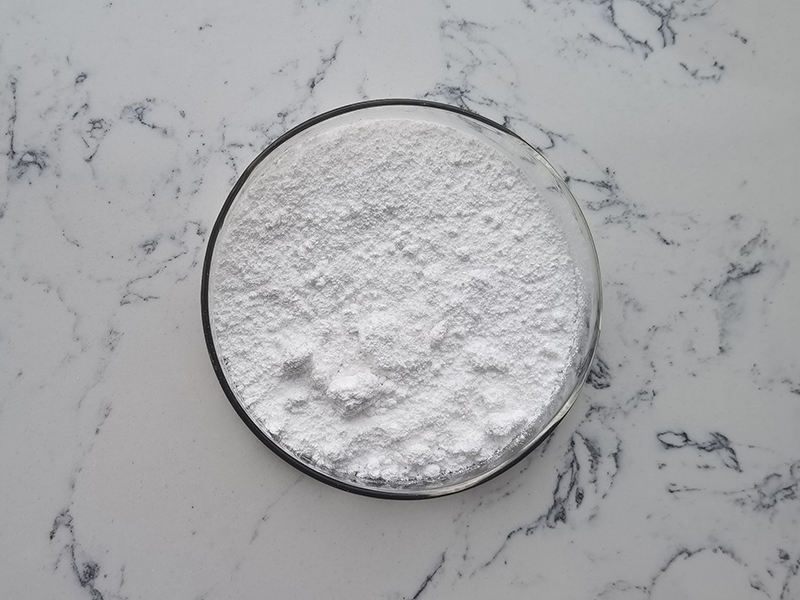
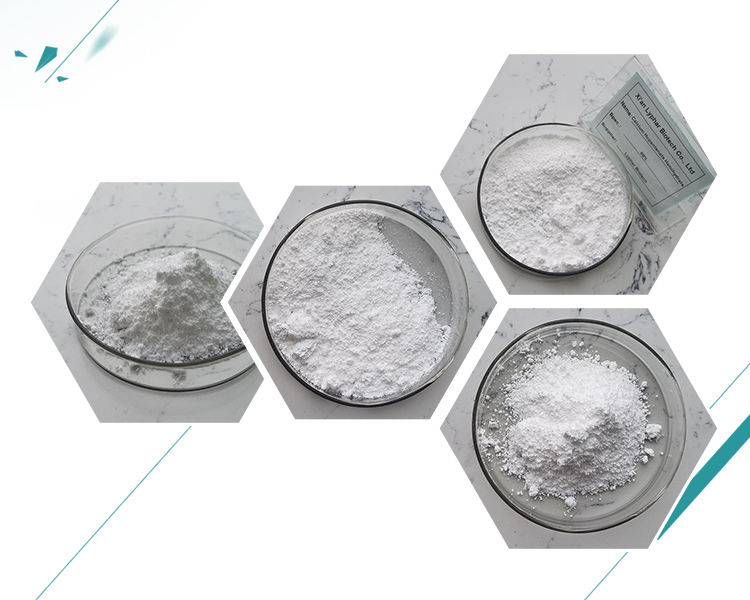
Calcium Hopantenate Hemihydrate is a chemical compound derived from hopantenic acid (also known as pantogamic acid), which is a derivative of pantothenic acid (Vitamin B5). It is commonly used as a nootropic (cognitive enhancer) and neuroprotective agent, primarily in some Eastern European and Asian countries.
Chemical Identity:
| Name | Description |
| IUPAC Name | Calcium [4-(2-hydroxy-4,4-dimethylpentanamide)butyrate] hemihydrate |
| Formula | C10H20CaN2O5 · 0.5H₂O |
| Other Names | Calcium Hopantenate Hemihydrate, Calcium Pantogamate Hemihydrate |
Mechanism of Action:
- It acts primarily on the central nervous system.
- Modulates GABA metabolism → GABA-like effect (calming, anti-anxiety, anticonvulsant).
- Enhances glucose uptake and metabolism in neurons.
- Mild stimulant for higher cortical brain functions while reducing excitability in certain nervous system areas.
Medical Uses:
Most commonly used for:
- Improving memory and attention
- Treating developmental delays in children
- Neuroprotective agent after brain injury
- Supporting cognitive function in elderly patients
- Managing behavioral disorders like ADHD or hyperactivity
- Treatment of neurotic conditions, anxiety, or fatigue
Forms Available:
- Tablets
- Syrup (for children)
- Sometimes included in multi-component nootropic supplements
Side Effects:
Generally well-tolerated, but may include:
- Allergic reactions (rare)
- Irritability (in sensitive individuals)
- Sleep disturbances (if taken late in the day)
Availability:
→ Not approved by FDA or EMA (mostly used in Russia, China, and some CIS countries).
→ Often sold under brand names like Pantogam Calcium or Pantocalcin.
How to use Calcium Hopantenate Hemihydrate?
Calcium Hopantenate Hemihydrate — Usage Guide
Calcium Hopantenate Hemihydrate is a nootropic drug commonly used in some countries (especially Russia and Eastern Europe) for its neuroprotective, nootropic, and mild stimulant effects on the central nervous system.
It’s often prescribed for:
- ADHD or hyperactivity in children
- Developmental delays
- Behavioral issues
- Anxiety or irritability
- Memory and concentration problems
- Recovery after brain injuries
- Neuroprotective support in adults
How to Take It:
- Take after meals (to avoid stomach discomfort).
- Swallow with water.
- Usually divided into 2-3 doses per day.
- Duration varies — from a few weeks to several months depending on the condition.
Important Notes:
- Onset is gradual — effects build over days or weeks.
- Usually well-tolerated.
- Not habit-forming.
- Safe for long-term use under supervision.

Possible Side Effects:
- Rare, but may include:
- Sleepiness or mild sedation
- Nausea
- Allergic reactions (rash)
- Irritability (very rarely)
Warning:
- Always consult a healthcare professional before starting.
- Dosage for children should always be individualized.
- Not a replacement for other treatments unless directed by a doctor.