
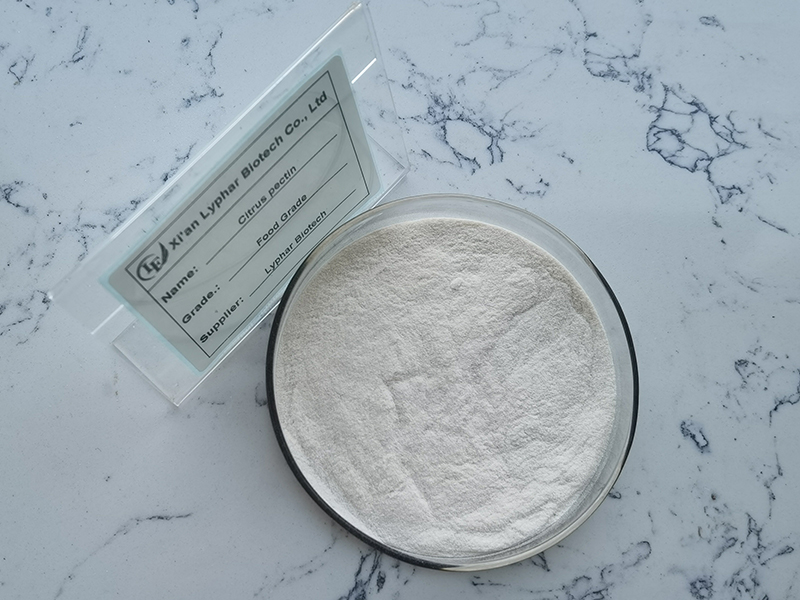
Citrus pectin is a natural, soluble dietary fiber found in the peels and pulp of citrus fruits such as oranges, lemons, limes, and grapefruits. It is commonly extracted and used as a supplement, gelling agent, and functional fiber due to its health benefits.
1. Executive summary
Citrus pectin is a complex, soluble plant polysaccharide (a food-grade dietary fiber) extracted mainly from citrus peel. Its physicochemical properties (degree of esterification, molecular weight, and branching) determine gelling, emulsifying, and physiological effects. Unmodified citrus pectin (food pectin) has documented effects as a soluble fiber (modest LDL-cholesterol lowering, modulation of glycemic response, and prebiotic effects), while modified citrus pectin (MCP) — processed to lower molecular weight and alter side-chains — is studied for systemic bioactivity (notably inhibition of galectin-3) with preliminary preclinical and limited clinical evidence in cancer, fibrosis, and heavy-metal chelation; however, robust large randomized clinical trials are lacking and routine therapeutic use is not established.
2. Chemical structure & types
- Basic structure: Pectin is a heterogeneous family of polysaccharides primarily composed of D-galacturonic acid units (homogalacturonan) plus rhamnogalacturonan regions and neutral sugar side chains (e.g., arabinose, galactose). Structural domains (HG, RG-I, RG-II, XG) control functionality.
- Degree of esterification (DE): Pectins are classed as high-methoxyl (HMP, DE >50%) or low-methoxyl (LMP, DE <50%). DE + molecular weight strongly affect gelling behavior, viscosity, and physiological effects (e.g., bile/cholesterol binding).
- Modified citrus pectin (MCP): MCP is enzymatically/chemically processed to reduce molecular weight and block or expose specific side chains; MCP is designed to be better absorbed and to interact with circulating proteins (e.g., galectin-3).

3. Industrial production & extraction
- Raw material: Citrus processing generates peel (orange, lemon, grapefruit) rich in pectin; industrial extraction uses acid hydrolysis (citric or hydrochloric acid), heat, and alcohol precipitation. Process parameters (pH, temperature, time) affect yield, molecular weight, and DE. Optimized conditions vary by species and desired product properties.
- Trends & greener methods: Newer studies investigate enzymatic extraction, microwave/ultrasound-assisted extraction, and process optimization to reduce energy and solvent use.
4. Functional (food) properties
- Gelling and stabilizing: HMP is used in high-sugar jams, LMP in low-sugar/low-calorie products with calcium crosslinking. Pectin stabilizes emulsions and improves mouthfeel and water retention.
- Texturizing and pharmaceutical excipient: Used for controlled-release matrices, encapsulation, edible films, and biodegradable materials.
5. Physiological effects & human evidence
(organized by outcome, with evidence strength)
(1)Cholesterol / lipids — moderate evidence
Multiple human intervention studies and systematic scoping reviews indicate soluble pectin can modestly reduce LDL cholesterol (typical reductions ~3–7% with ~15 g/day over weeks), with effects depending on dose, molecular properties (DE, MW), and background diet.
(2)Glycemic control — limited to moderate evidence
Pectin’s viscosity slows gastric emptying and carbohydrate absorption, reducing postprandial glucose peaks in some trials. Effects are dose-dependent and more consistent when pectin is taken with carbohydrate loads.
(3)Gut microbiota / prebiotic effects — emerging evidence
Pectin is fermentable by colonic bacteria, producing short-chain fatty acids (SCFAs) that can mediate systemic effects (metabolism, inflammation). Human data show shifts in microbial taxa and SCFA production, but responses vary by baseline microbiome and pectin structure.
(4)Weight & satiety — mixed/limited
Viscous soluble fibers can increase satiety; however, clinical effects of pectin on weight loss are inconsistent and modest at best.
(5)Heavy-metal chelation & detox claims — preliminary
Small studies suggest MCP can reduce bodily lead burden in some contexts; evidence is limited, mechanistic plausibility exists (binding in gut/systemic), but more rigorous trials are needed before routine recommendation.
(6)Anti-cancer / anti-metastatic (MCP) — preclinical + limited human data
In vitro and animal studies show MCP can inhibit tumor growth and metastasis (mechanism: galectin-3 antagonism). Early human studies and small trials (e.g., in prostate cancer, non-metastatic contexts) are promising but not definitive; large randomized trials are lacking. MCP’s galectin-3 targeting is biologically plausible but clinical benefit is not established. Use caution and consult oncology teams before therapeutic use.
6. Mechanisms of action (summary)
- Physicochemical: Pectin forms viscous gels in the GI tract — reduces nutrient absorption rate, binds bile acids and cholesterol, and acts as fermentable substrate.
- Molecular interactions (MCP): MCP fragments can bind galectin-3 (a β-galactoside binding lectin implicated in cell adhesion, fibrosis, and tumor progression), modulating cell-cell interactions, apoptosis, and metastasis pathways in preclinical models.
7. Safety, dosing, and practical use
- Safety: Food pectin is generally recognized as safe (GRAS) for food use. Oral use of higher doses (supplemental pectin / MCP) is generally well tolerated; gastrointestinal side effects (bloating, gas, loose stools) may occur at high doses. Interactions: pectin may affect absorption of some drugs if taken simultaneously (due to viscosity); separate dosing from medications when concerned. Long-term safety data for therapeutic MCP at high systemic doses are limited.
- Typical doses in studies: For cholesterol/glycemic studies, ~10–30 g/day of pectin (food/powder) has been used. MCP trials use product-specific dosing (follow product labeling and clinical guidance).
8. Industrial & environmental considerations
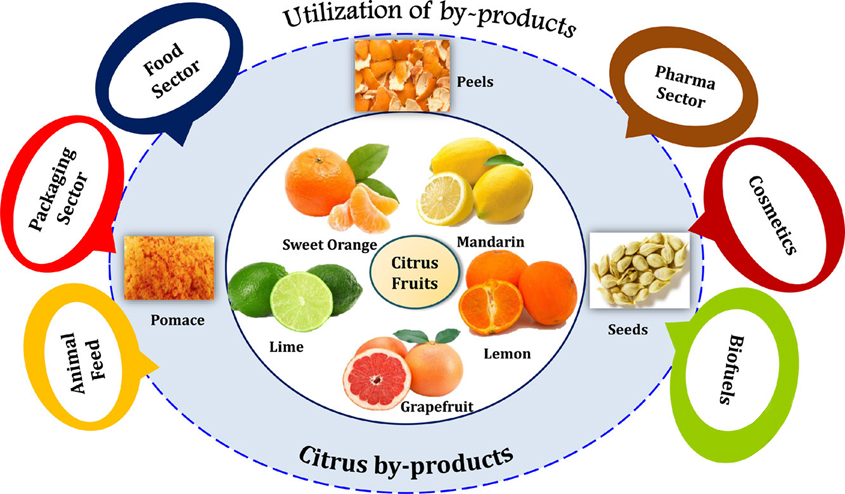
- Byproduct valorization: Citrus peel waste is an abundant source; optimized extraction can convert waste into high-value pectin (food, pharma, biomaterials). Green extraction methods and process optimization can reduce environmental footprint.
9. Gaps in knowledge & research priorities
- Well-powered randomized clinical trials of MCP for specific clinical endpoints (e.g., cancer progression, fibrosis) are needed.
- Standardization: MCP products vary; standard methods to report molecular weight, DE, and specific bioactive motifs (e.g., RG-I composition) would improve reproducibility.
- Dose-response and long-term safety data for therapeutic use.
- Personalized effects: how baseline microbiome and diet modify pectin responses.
10. Practical takeaways
- For general health: using whole fruits (apples, citrus) and fiber-rich foods is the first-line approach; isolated citrus pectin supplements can modestly lower LDL at moderate doses but are not a substitute for proven therapies when indicated.
- For therapeutic MCP use (e.g., as an adjunct in cancer care or chelation): discuss with treating physicians; current data are promising but not definitive.
11. Selected key references (read next)
- Blanco-Pérez F, et al. The Dietary Fiber Pectin: Health Benefits and Potential for… (PMC review).
- Eliaz I, et al. Pleiotropic Effects of Modified Citrus Pectin (2019).
- Keizman D, et al. Modified Citrus Pectin Treatment in Non-Metastatic … (2023).
- Singhal S., Citrus pectins: Structural properties, extraction methods (2022).
- Méndez-Albiñana P., Structure and properties of citrus pectin (2025).