
Bifida Ferment Lysate is a bioactive ingredient commonly used in skincare and cosmetic formulations for its protective, reparative, and anti-aging effects. Here’s a detailed breakdown of the production and fermentation process of Bifida Ferment Lysate (BFL), step by step. I’ll explain it in a way that highlights both the scientific reasoning and the practical cosmetic application.
1. Selection of Strain
Core organism: Bifidobacterium bifidum or closely related Bifidobacterium species.
Criteria for selection:
- High viability and stability.
- Known beneficial effects on skin barrier function.
- Low endotoxin production.
The strain is critical because different Bifidobacterium strains produce different metabolites that affect the skin differently.
2. Preparation of the Culture Medium
Base nutrients: Typically contains:
- Carbohydrates (e.g., glucose, lactose, or sucrose) – energy source for fermentation.
- Nitrogen source (e.g., yeast extract, peptone) – supports growth.
- Minerals and vitamins – co-factors for enzymatic activity.
Optional additives: Prebiotics like inulin can enhance metabolite production.
The medium must be anaerobic-friendly since Bifidobacteria are anaerobic or microaerophilic.
3. Inoculation
The selected strain is introduced into the sterilized medium under aseptic conditions.
Usually, a small seed culture is expanded in stages (seed → intermediate → production) to ensure high viability and adaptation.
4. Fermentation
Conditions:
- Temperature: Typically 35–37°C (matches optimal growth for Bifidobacteria).
- pH: Maintained around 5.5–6.5, sometimes using buffers or controlled acid/base addition.
- Oxygen: Strict anaerobic environment.
- Time: Usually 24–48 hours depending on growth kinetics.
Goal: Maximize biomass and metabolite production (such as nucleotides, peptides, vitamins, organic acids) which are beneficial for skin.
5. Harvesting
After fermentation reaches the desired stage (usually the stationary phase where metabolites are highest):
- Cells and medium are collected.
- Sometimes the culture is centrifuged to separate cells from supernatant, depending on whether the lysate is whole-cell or cell-free.
6. Lysate Preparation
Methods to break cells (cell lysis):
- Physical: High-pressure homogenization, sonication, or bead milling.
- Chemical/enzymatic: Lysozyme treatment, mild detergents.
The result is Bifida Ferment Lysate: a mixture of cellular components, metabolites, and bioactive peptides.
Optional filtration: To remove cell debris for a smooth solution suitable for cosmetic formulations.
7. Stabilization and Preservation
Purpose: Bifida Ferment Lysate contains proteins and nucleotides that can degrade.
Methods:
- Addition of humectants (glycerin, propanediol) or stabilizers.
- Freeze-drying (lyophilization) to make a powder for better shelf life.
- Low-temperature storage in liquid form (2–8°C).
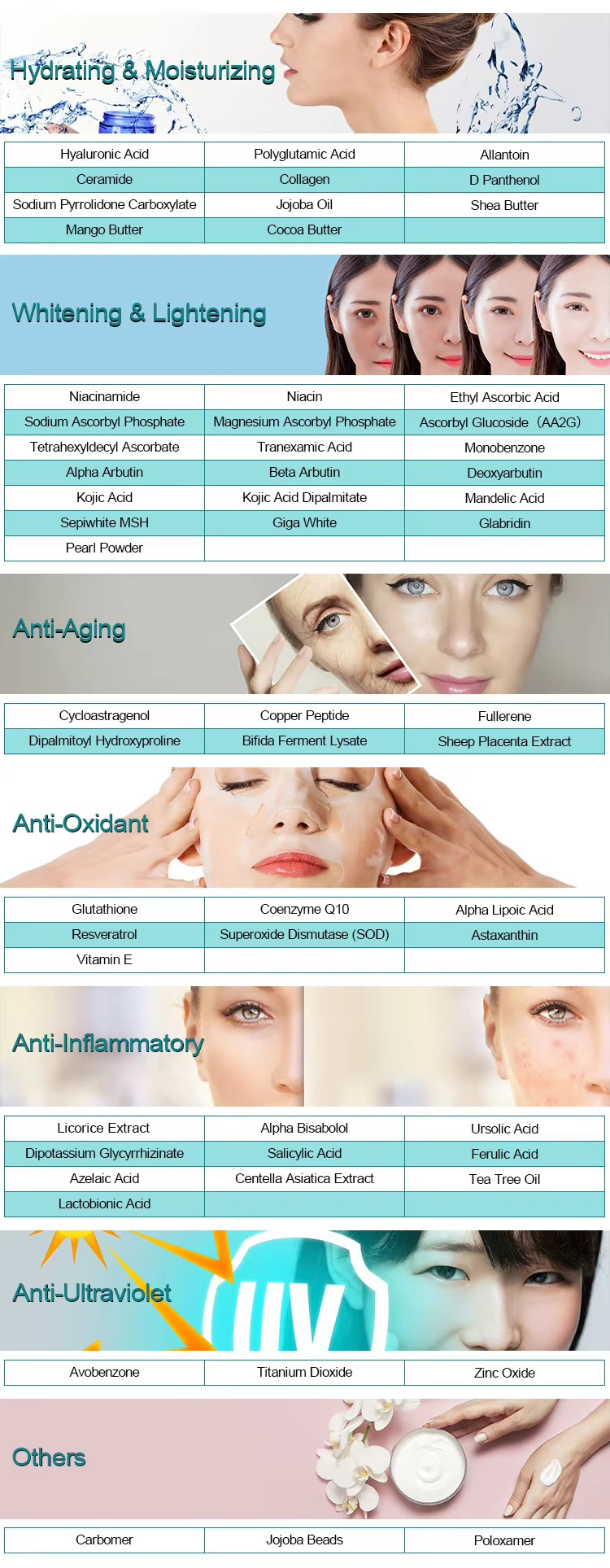
Cosmetic formulations often use liquid BFL or powder BFL rehydrated before use.
8. Quality Control
Tests include:
- Microbial contamination check.
- pH, protein content, metabolite profile.
- Activity assays: e.g., skin barrier protection, anti-inflammatory markers in vitro.
Key Points
- The process is anaerobic-sensitive; oxygen exposure reduces viability and effectiveness.
- Metabolite-rich lysate is preferred over live bacteria for cosmetics, as it is more stable and safe.
- The quality and efficacy depend heavily on strain selection, fermentation conditions, and lysate handling.
If you want, I can make a visual flowchart of the entire Bifida Ferment Lysate production process—it’s much easier to grasp at a glance.
Do you want me to do that?