
Dimethylmethoxy Chromanol (INCI: Dimethylmethoxy Chromanol, trade name Lipochroman-6) is a synthetic chromanol-type antioxidant designed as a stabilized, more potent analogue of vitamin E. It scavenges reactive oxygen and nitrogen species, is used in anti-ageing and depigmenting topical products at very low concentrations (typical use 0.01–0.05%), and has supporting in vitro and some in vivo/formulation studies showing photoprotective and antioxidant benefits.
1) Chemical identity & physical data
- Name(s): Dimethylmethoxy Chromanol; trade name Lipochroman-6.
- IUPAC / synonyms: 3,4-Dihydro-7-methoxy-2,2-dimethyl-2H-1-benzopyran-6-ol (and related synonyms).
- CAS: 83923-51-7.
- Formula / mol. weight: C₁₂H₁₆O₃; MW ≈ 208.25 g·mol⁻¹.
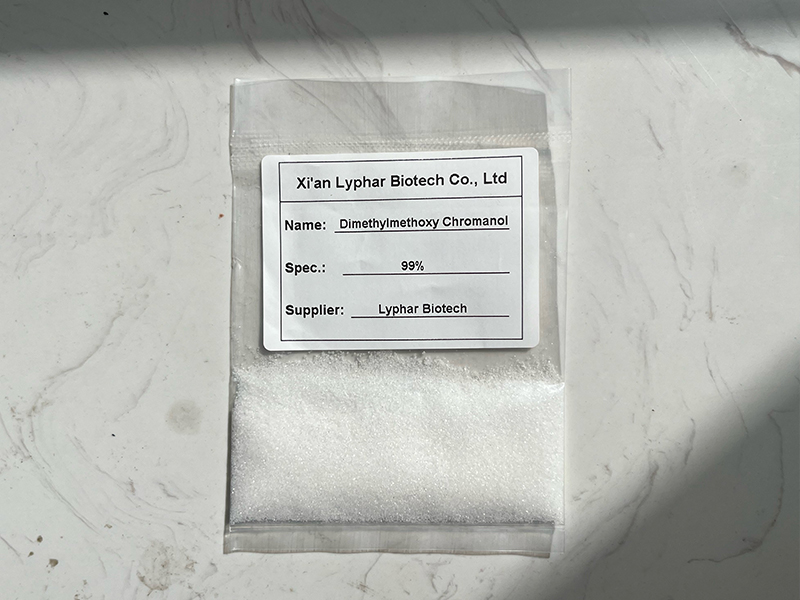
- Physical: solid, oil-soluble (chromanol ring similar to tocopherols), stable compared with some natural antioxidants; commercially supplied at high purity for cosmetic use.
2) Mechanism of action (how it works)
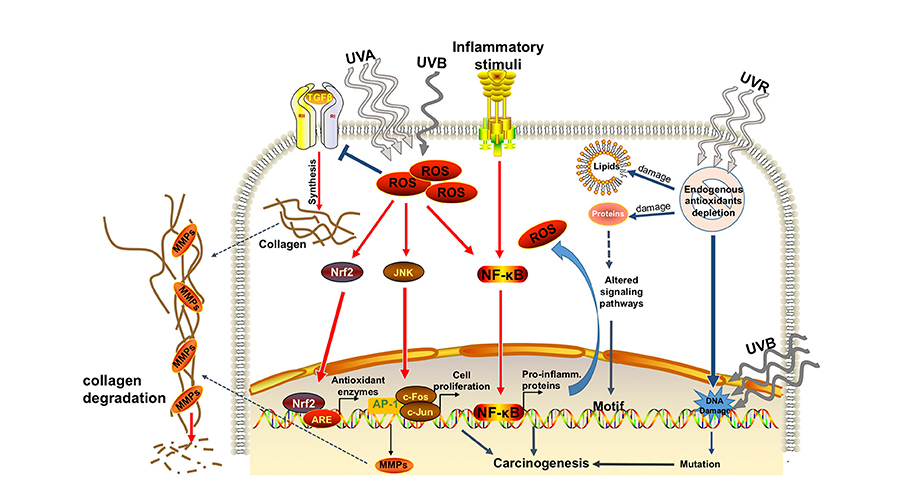
- Antioxidant chemistry: Dimethylmethoxy Chromanol is chromanol ring lets it act as a hydrogen-donating radical scavenger similar to α-tocopherol, but it has been engineered for higher potency and to neutralize both reactive oxygen species (ROS) and reactive nitrogen species (RNS). That dual scavenging helps protect lipids, proteins and DNA from oxidative damage induced by UV and pollution.
- Photoprotection synergy: When added to sunscreens or combined with other actives it can boost photoprotective outcomes by quenching free radicals generated after UV exposure (it’s not a UV filter itself).
3) Evidence of efficacy — what studies show
- In vitro / cell studies: Recent cell studies show Dimethylmethoxy Chromanol reduces UV-induced oxidative markers and increases endogenous antioxidant enzyme activity when used alone or in combination with botanical antioxidants (e.g., turmeric root extract), indicating synergistic protection in keratinocyte models.
- Formulation / ex vivo work: Studies and formulation reports indicate addition of Dimethylmethoxy Chromanol to sunscreens and emulsion systems increases protection against oxidative damage and can improve stability of other actives. (It’s used as an adjunct antioxidant rather than a standalone sunscreen.)
- Clinical / consumer claims: Manufacturers and ingredient dictionaries report improvements in skin tone, reduced appearance of photo-damage, and anti-ageing benefits in finished products; however, peer-reviewed, large-scale clinical trials are limited in the public literature — most published work is in vitro, ex vivo, small pilot studies, or manufacturer data. Treat product claims accordingly and look for independent clinical studies for definitive consumer-level efficacy.
4) Typical usage & formulation guidance
- Recommended concentrations: Typical effective/formulator recommended levels are very low — about 0.01%–0.05% (0.0001–0.0005 w/w), because of its high potency. Over-use gives no extra benefit and increases cost.
- Solubility / vehicle: Oil-soluble; best incorporated into the oil phase of emulsions, serums, creams, and anhydrous oil serums. Compatible with common cosmetic lipids and esters. Avoid water-only systems unless properly solubilized/emulsified.
- Stability: More stable than some natural antioxidants, but formulation pH, light, and presence of pro-oxidants matter. Antioxidants can regenerate each other (e.g., combination with other antioxidants like vitamin C derivatives, carotenoids, botanical phenolics) — combos often increase overall efficacy.
5) Safety, tolerability & regulatory status
- Safety profile: Public supplier and INCI notes indicate low irritancy when used at recommended concentrations; adverse-event data in the public literature are sparse. As with any active, perform compatibility/patch testing in formulations, and run preservative/irritation testing appropriate to claims and regulatory jurisdiction.
- Regulatory: Listed in cosmetic ingredient databases (COSING / SpecialChem entries) and widely used in cosmetic formulations. It is considered an approved cosmetic ingredient in markets that accept INCI listings; exact allowed concentrations/claim rules depend on region and product category. Check local regulations for medicinal claims (e.g., “treatment” of disease) — such claims can change regulatory status.
6) Practical recommendations (for researchers and formulators)
- Start low: formulate at 0.01–0.05% to evaluate activity and tolerability; escalate only if supported by data.
- Place in oil phase: incorporate into the oil phase at cool-down if the supplier advises, to protect from unnecessary heat exposure.
- Combine smartly: pair with complementary antioxidants (e.g., stable vitamin C derivatives, tocopherols, botanical polyphenols) to broaden radical scavenging and enable regeneration cycles — but test for compatibility and stability.
- Evidence plan: if you want strong claims (e.g., “reduces hyperpigmentation” or “clinical anti-ageing”), plan controlled clinical studies (objective measures of oxidative damage, photography, colorimetry for pigment). Manufacturer/academic in vitro data are promising but do not replace robust clinical proof.
7) Gaps, caveats & research opportunities
- Limited large clinical trials: most public peer-reviewed work is preclinical or small; high-quality randomized clinical trials assessing long-term effects on pigmentation, photoageing, and irritation are sparse. More independent clinical research would strengthen claims.
- Mechanistic work: deeper mechanistic studies on how Dimethylmethoxy Chromanol interacts with skin antioxidant networks (e.g., glutathione, catalase, superoxide dismutase cascades) and RNS pathways are promising research directions.
Key references & sources (selected)
INCI/ingredient explanation and mechanism summary — INCIdecoder / ingredient dictionaries.
Clinical/experimental study: Combination of dimethylmethoxy chromanol and turmeric root extract… (Q. Wang et al., Skin Res Technol., 2023).
COSING / SpecialChem ingredient entry (regulatory/INCI details).
Supplier / phys-chem data (CAS, molecular weight) — Alfa-Chem / ChemicalBook.
Formulator/consumer guidance (use levels, typical claims) — Paula’s Choice / formulary notes.