
Magnesium glycinate is a supplement composed of magnesium and the amino acid glycine. It’s often recommended for its potential benefits related to magnesium deficiency, which can impact various bodily functions. Here’s a comprehensive overview:
1. What is Magnesium Glycinate?
- Composition: Magnesium glycinate is a chelated form of magnesium, meaning the magnesium is bound to glycine, which can enhance its absorption in the body.
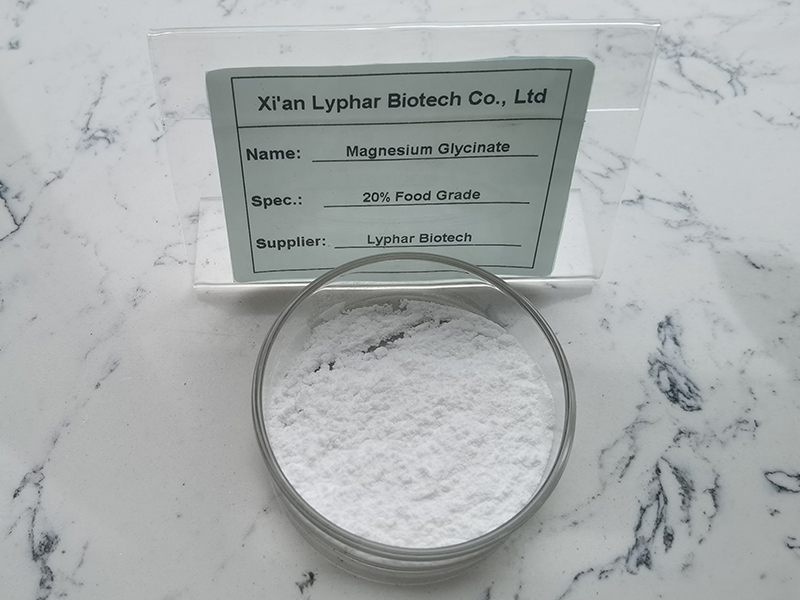
- Forms: Available in powder, capsule, or tablet forms.
2. Health Benefits
- Magnesium Absorption: Magnesium glycinate is known for better absorption compared to other forms of magnesium supplements (like magnesium oxide).
- Muscle Relaxation: May help relieve muscle tension and spasms.
- Sleep Aid: Some studies suggest that magnesium can improve sleep quality and help with insomnia.
- Anxiety and Stress Reduction: Magnesium plays a role in neurotransmitter regulation, and some research indicates it may help reduce symptoms of anxiety.
- Bone Health: Magnesium is crucial for bone structure and may help prevent osteoporosis.
- Heart Health: It may help maintain normal blood pressure and support cardiovascular health.

3. Dosage
- Recommended Daily Intake: Varies by age and gender, but for adults, it’s generally between 310 to 420 mg of magnesium per day.
- Supplement Dosage: Often, magnesium glycinate supplements contain around 100-400 mg of elemental magnesium per serving. Always consult with a healthcare provider for personalized dosage recommendations.
4. Side Effects
- Common Side Effects: May include gastrointestinal upset, diarrhea, and nausea, especially if taken in high doses.
- Rare Side Effects: Overconsumption can lead to more severe issues, such as heart problems or low blood pressure.
5. Who Should Consider Taking Magnesium Glycinate?
- Individuals with magnesium deficiency.
- Those experiencing muscle cramps or tension.
- People struggling with sleep issues or anxiety.
- Athletes or active individuals needing muscle recovery support.
6. Dietary Sources of Magnesium
- Leafy greens (e.g., spinach)
- Nuts and seeds (e.g., almonds, pumpkin seeds)
- Whole grains (e.g., brown rice, quinoa)
- Legumes (e.g., black beans, lentils)
- Fish (e.g., mackerel, salmon)
7. Interactions
- Magnesium supplements can interact with certain medications, including antibiotics and blood pressure medications. Always consult with a healthcare professional before starting any new supplement.
- Conclusion
Magnesium glycinate is a well-tolerated and effective form of magnesium that may offer various health benefits, especially for those with specific deficiencies or conditions. As with any supplement, it’s essential to discuss its use with a healthcare provider to ensure it aligns with individual health needs and conditions.