
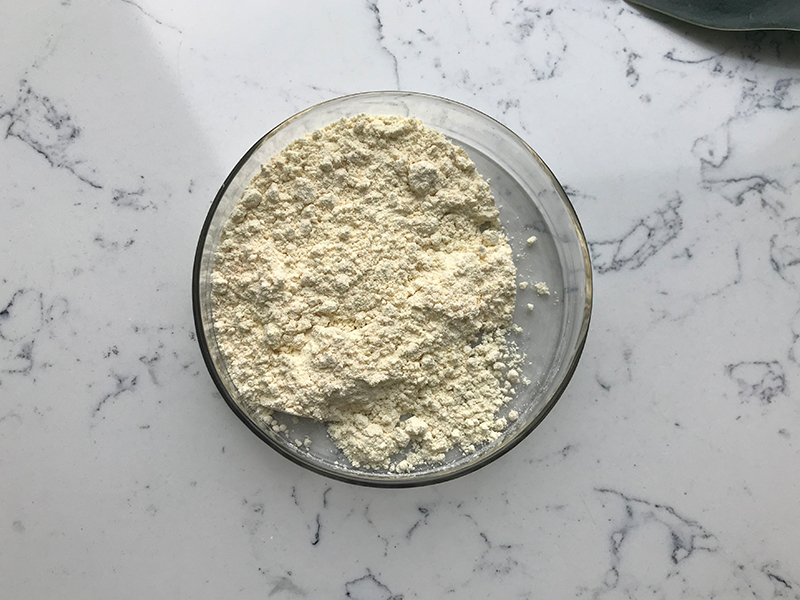
Pyridoxal-5-Phosphate (PLP) is the biologically active coenzyme form of vitamin B₆. It is essential for a wide range of enzymatic reactions, especially those involving amino acid metabolism.
Chemical Identity
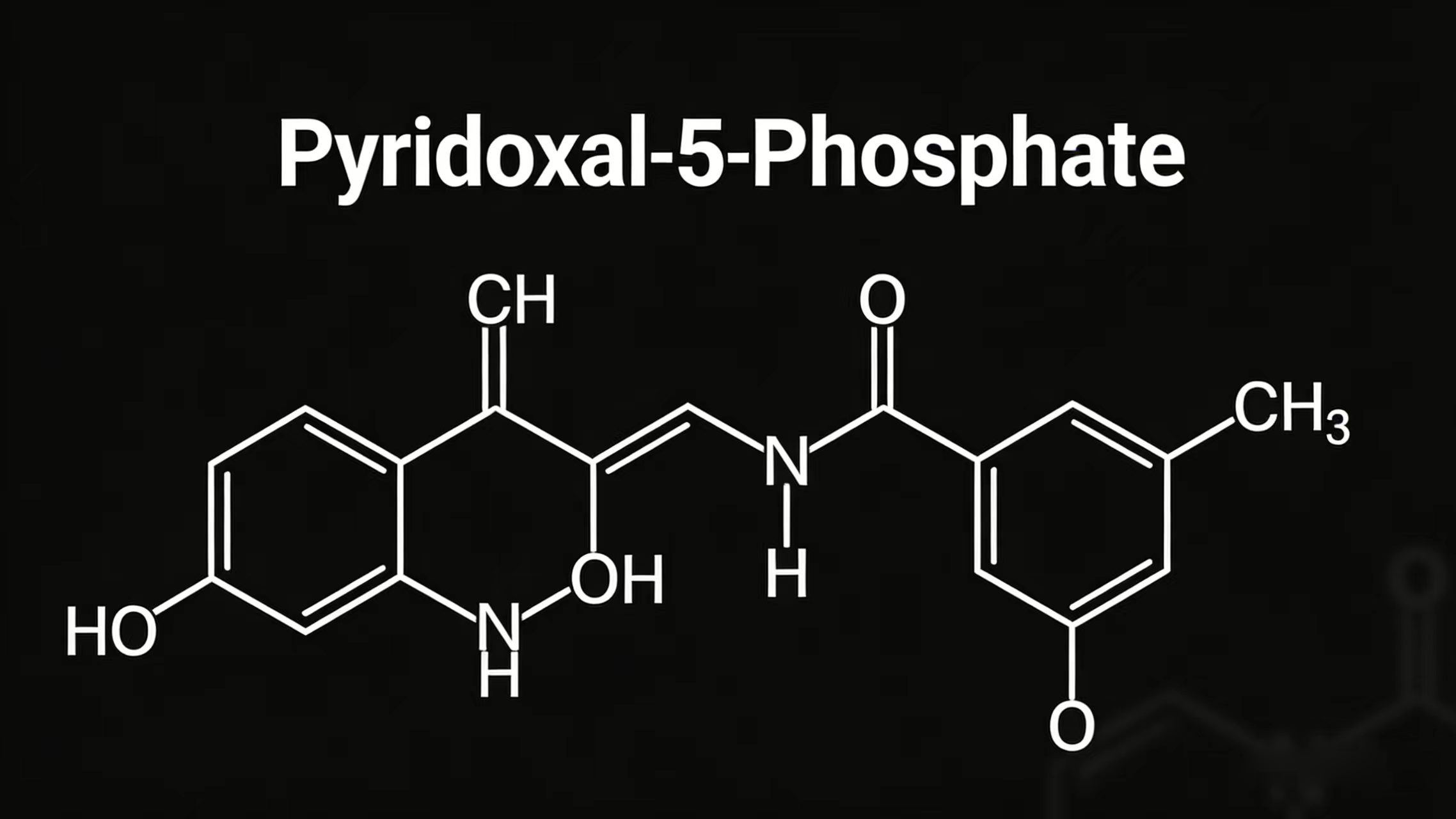
- Chemical name: Pyridoxal-5-Phosphate
- Molecular formula: C₈H₁₀NO₆P
- Molecular weight: ~247.14 g/mol
- Structure: Pyridine ring with aldehyde and phosphate functional groups
- Solubility: Water-soluble
- Stability: Sensitive to light and heat
Source & Origin
Pyridoxal-5-Phosphate is derived from vitamin B₆ compounds:
- Pyridoxine
- Pyridoxal
- Pyridoxamine
These forms are converted into PLP in the body via phosphorylation and oxidation in the liver.
Biological Role
Pyridoxal-5-Phosphate acts as a coenzyme for over 100 enzymes, mainly involved in:
- Amino acid transamination
- Decarboxylation reactions
- Neurotransmitter synthesis
- Heme and hemoglobin synthesis
Physiological Functions
- Supports protein metabolism
- Essential for nervous system function
- Involved in synthesis of serotonin, dopamine, GABA
- Plays a role in immune function
- Contributes to homocysteine metabolism
Occurrence in Nature
Pyridoxal-5-Phosphate itself is not commonly found in foods, but vitamin B₆ (its precursors) is abundant in:
- Whole grains
- Bananas
- Poultry
- Fish
- Potatoes
- Legumes
Applications
- Clinical nutrition: Active vitamin B₆ supplement
- Pharmaceuticals: Treatment of B₆ deficiency and metabolic disorders
- Biochemistry research: Enzyme and metabolic pathway studies
Safety Profile
- Generally safe at recommended doses
- High or prolonged intake may cause sensory neuropathy
- Suitable for individuals with impaired B₆ activation
If you want, I can also break this down into cosmetic relevance, pharmaceutical uses, synthesis pathway, or comparison with pyridoxine—just tell me