
SLU-PP-332 is a synthetic small-molecule pan-estrogen-related receptor (ERR) agonist, rather than a peptide or steroid. It is primarily used as an experimental chemical tool for studying ERRα/β/γ signaling, mitochondrial metabolism, and exercise-mimetic effects.
1. Chemical identity
| Property | SLU-PP-332 |
| Chemical name (IUPAC) | 4-Hydroxy-N-[(E)-naphthalen-2-ylmethylideneamino]benzamide |
| Alternative name | (E)-4-Hydroxy-N′-(naphthalen-2-ylmethylene)benzohydrazide |
| CAS No. | 303760-60-3 |
| Molecular formula | C₁₈H₁₄N₂O₂ |
| Molecular weight | 290.32 g/mol |
| PubChem CID | 5338394 |
| ChEMBL ID | CHEMBL4208749 |
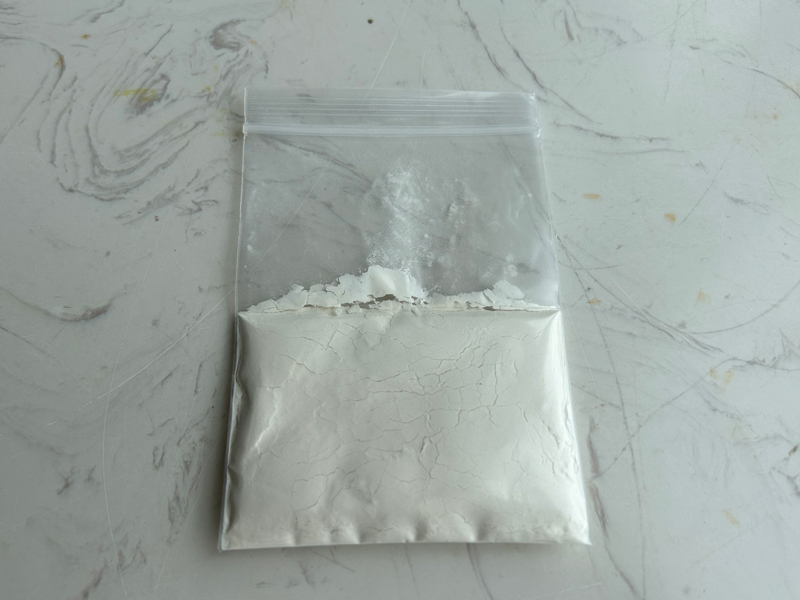
| Physical form | Powder / white to beige crystalline solid |
| Charge | Neutral |
| Purity of common research material | ≥98% HPLC |
These identity and physical-form data are reported by PubChem and commercial research-reagent suppliers.
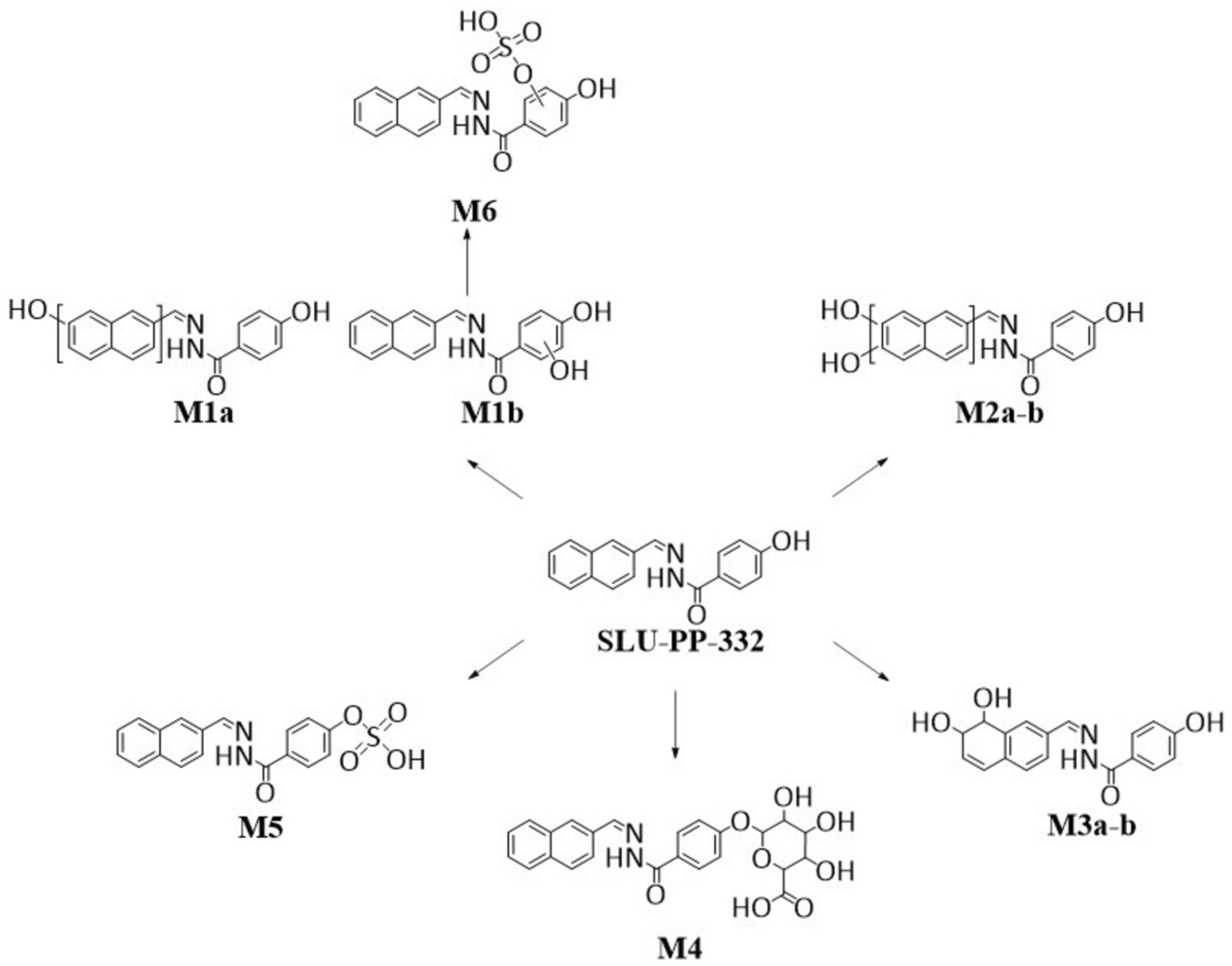
2. Molecular structure
SLU-PP-332 contains three particularly important structural components:
A. 4-hydroxybenzamide portion
- A benzene ring bearing a para-hydroxyl (-OH) group.
- The ring is attached to an amide/hydrazide functional group.
B. Hydrazone linkage
- The molecule contains a characteristic –C(=O)–NH–N=CH– linkage.
- The C=N double bond has defined E stereochemistry, which is reflected in its systematic name.
C. Naphthalene group
- The other end contains a fused naphthalene aromatic system (C₁₀H₇).
- This relatively hydrophobic aromatic region contributes substantially to the molecule’s lipophilic character.
PubChem gives the SMILES representation as:
C1=CC=C2C=C(C=CC2=C1)/C=N/NC(=O)C3=CC=C(C=C3)O
and reports one defined bond stereocenter associated with the E-configured C=N bond.
3. Important calculated physicochemical properties
| Property | Value | Interpretation |
| Exact mass | 290.1055 Da | Accurate neutral molecular mass |
| XLogP3-AA | 3.7 | Moderately lipophilic |
| H-bond donors | 2 | Phenolic OH + hydrazide NH |
| H-bond acceptors | 3 | Mainly carbonyl O, phenolic O and imine N |
| Rotatable bonds | 3 | Relatively restricted molecular flexibility |
| Topological polar surface area | 61.7 Ų | Moderate polarity |
| Heavy atoms | 22 | 18 C + 2 N + 2 O |
| Formal charge | 0 | Neutral molecule |
| Complexity | 402 | Moderately complex aromatic small molecule |
The calculated physicochemical descriptors are from PubChem.
4. Physical characteristics
SLU-PP-332 is generally supplied as a white to beige powder or crystalline solid. Commercial specifications commonly recommend cold storage, although exact conditions vary by supplier. Sigma-Aldrich lists 2–8°C, while Tocris lists −20°C for its research material.
Its water solubility is relatively limited, consistent with its aromatic and moderately lipophilic structure. DMSO is commonly used as the solvent. Sigma reports approximately 2 mg/mL in DMSO, producing a clear solution when warmed; Tocris reports preparation in DMSO up to 100 mM.
5. Structure–property relationship
The structure helps explain its physicochemical behavior:
Naphthalene ring → increased lipophilicity
The fused aromatic naphthalene system provides a substantial hydrophobic surface, contributing to the XlogP of approximately 3.7.
Phenolic OH + hydrazide → hydrogen bonding
The hydroxyl and hydrazide groups provide hydrogen-bonding capacity and increase polarity relative to a purely hydrocarbon aromatic compound.
Hydrazone C=N → defined geometry
The E configuration gives SLU-PP-332 a relatively organized, planar molecular arrangement that is important for receptor interaction.
Two aromatic systems → relatively rigid molecule
The benzene and naphthalene rings substantially restrict conformational flexibility. This contrasts with highly flexible aliphatic compounds.
6. Key chemical-property summary
In simple terms, SLU-PP-332 can be characterized as:
A neutral, moderately lipophilic, aromatic hydrazide/hydrazone small molecule with two fused/linked aromatic systems, moderate hydrogen-bonding capacity, and relatively high structural rigidity.
Its molecular formula is C₁₈H₁₄N₂O₂, molecular weight 290.32 g/mol, XlogP approximately 3.7, and TPSA 61.7 Ų.
One important distinction: these physicochemical properties should not be interpreted as evidence that SLU-PP-332 is suitable for human supplementation or therapeutic use. Current research primarily concerns experimental ERR agonism in cellular and animal models.