
BAM-15, a mitochondrial uncoupler, mainly lies in its ability to modulate energy metabolism safely and selectively. Its value spans medical research, metabolic health, and potentially longevity. Here’s a detailed breakdown:
1. Obesity and Metabolic Disorders
- BAM-15 promotes mitochondrial uncoupling, increasing energy expenditure without causing overt toxicity like older uncouplers (e.g., DNP). This makes it valuable for:
- Weight management – by increasing basal metabolic rate and promoting fat oxidation.
- Insulin sensitivity improvement – studies show it can improve glucose handling and reduce insulin resistance.
- Fatty liver reduction – may help prevent or treat non-alcoholic fatty liver disease (NAFLD) by promoting lipid metabolism in the liver.
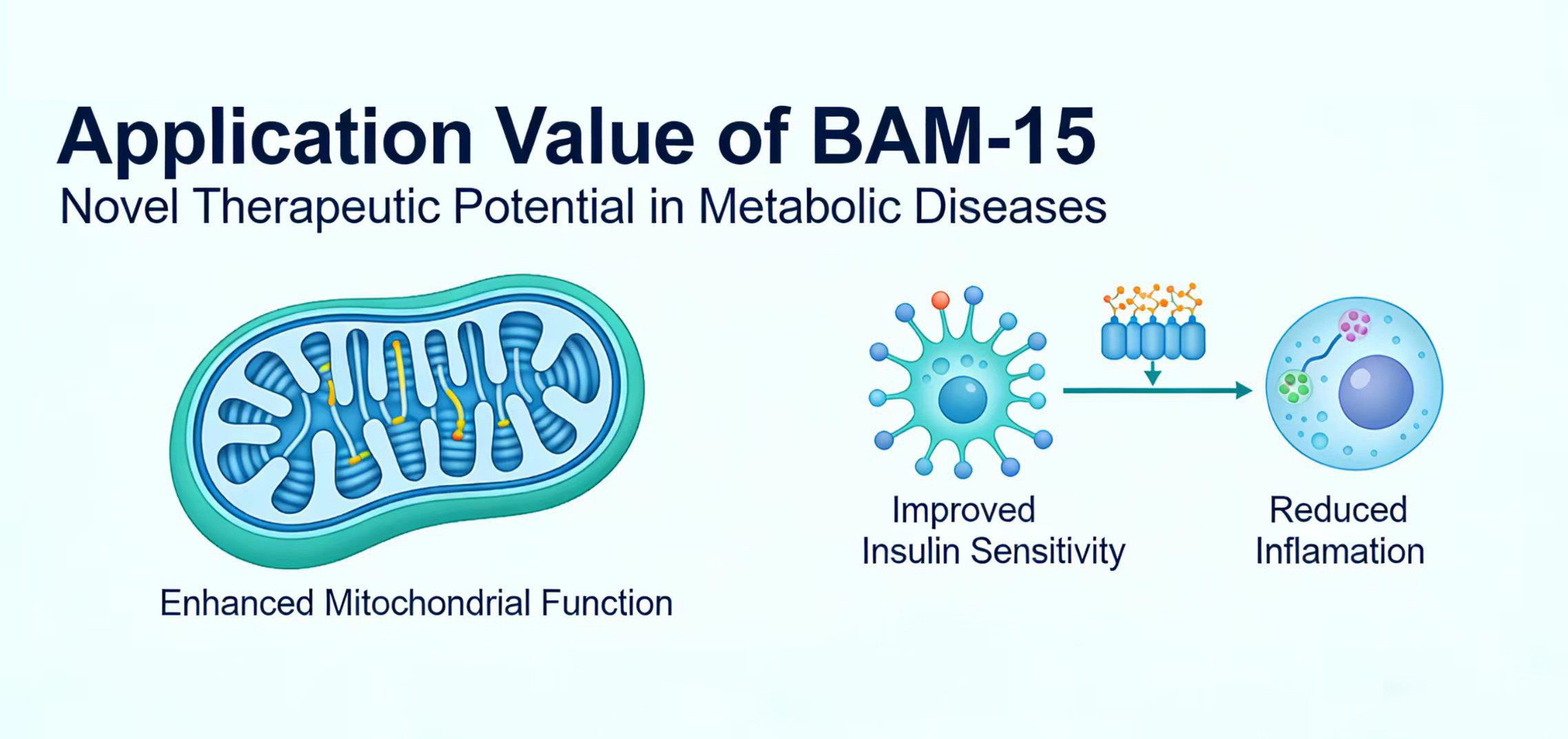
2. Type 2 Diabetes
- By enhancing mitochondrial efficiency and reducing lipid accumulation, BAM-15 can:
- Lower circulating glucose and triglyceride levels.
- Improve cellular energy homeostasis in tissues affected by insulin resistance.
3. Cardiometabolic Health
- Prevention of metabolic syndrome: By reducing adiposity and improving metabolic flexibility.
- Cardiac protection: Potential to decrease lipid-induced oxidative stress in the heart.
4. Aging and Longevity Research
- Mitochondrial uncoupling has been linked to reduced reactive oxygen species (ROS) production.
- BAM-15 may mimic caloric restriction effects, potentially extending healthspan in animal models.
5. Research Tool in Bioenergetics
- BAM-15 is widely used in cell and animal studies to study mitochondrial function, energy expenditure, and oxidative stress.
- Its selective uncoupling ability allows researchers to explore metabolic pathways without the systemic toxicity seen with earlier uncouplers.
6. Potential Future Applications
- Obesity pharmacotherapy: As a next-generation uncoupler with better safety profile.
- Combination therapies: Could enhance efficacy of other metabolic drugs.
- Neurodegenerative disease research: Potentially reducing mitochondrial stress in neurons.
Summary:
BAM-15 is value lies in safe metabolic modulation, making it promising for obesity, diabetes, liver disease, and longevity research, as well as a powerful research tool for understanding mitochondrial bioenergetics.
If you want, I can make a table comparing BAM-15’s application value vs other mitochondrial uncouplers like DNP to clearly see why it’s considered “next-generation.” That comparison really highlights its unique potential. Do you want me to do that?