
Hydrolyzed Sponge is a cosmetic ingredient derived from natural marine sponges that have been hydrolyzed (broken down into very small particles or fibers). This process improves safety, uniformity, and skin compatibility compared to raw sponge material.
Source
Origin: Marine sponges (natural sea sponges)
Processing: Enzymatic or chemical hydrolysis
Result: Micron- or nano-sized sponge spicules or fragments
Physical Characteristics
Name: Hydrolyzed Sponge
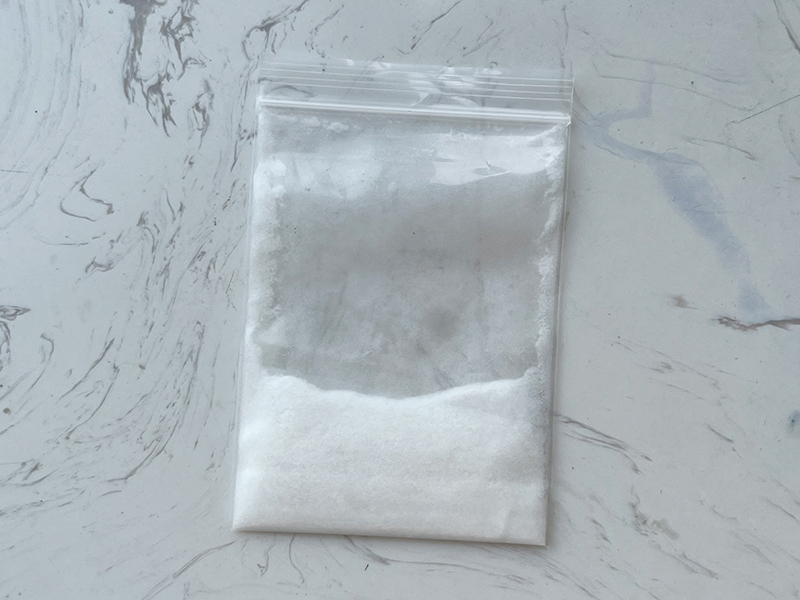
Appearance: Fine powder or suspension
Color: White to off-white
Solubility: Dispersible in water-based systems
Texture effect: Slightly abrasive at microscopic level
Main Functions in Cosmetics
Mild physical exfoliation
Skin renewal stimulation
Enhancement of active ingredient penetration
Improvement of skin texture and smoothness
Mechanism of Action
Hydrolyzed sponge contains microscopic needle-like structures (spicules) that:
- Gently stimulate the epidermis
- Promote keratinocyte turnover
- Create micro-channels that help skincare actives penetrate more effectively
Common Applications
Exfoliating creams and serums
Resurfacing or renewal treatments
Acne and pore-care products
Brightening and skin-smoothing formulations
Professional peeling or “spicule therapy” products
Typical Usage Levels
Low concentration (often 0.1%–1%)
Higher levels used mainly in professional treatments
Safety Profile
Generally considered safe when properly formulated
May cause:
- Temporary tingling or redness
- Mild irritation on sensitive skin
Not recommended for:
- Compromised or inflamed skin
- Very sensitive skin types without testing
Regulatory Status
Allowed for cosmetic use in major markets (EU, US, Asia)
Must meet cosmetic safety and purity standards
Key Advantages
Natural marine origin
Non-chemical exfoliation
Long-lasting skin stimulation effect
Compatible with many active ingredients