
Benfotiamine supplementation improves cognitive function, reduces oxidative stress, and enhances nerve health, positioning it as a potential therapy for neurodegenerative diseases.
Here’s a clear comparison between Benfotiamine and Thiamine (Vitamin B1), highlighting their differences, similarities, and uses:
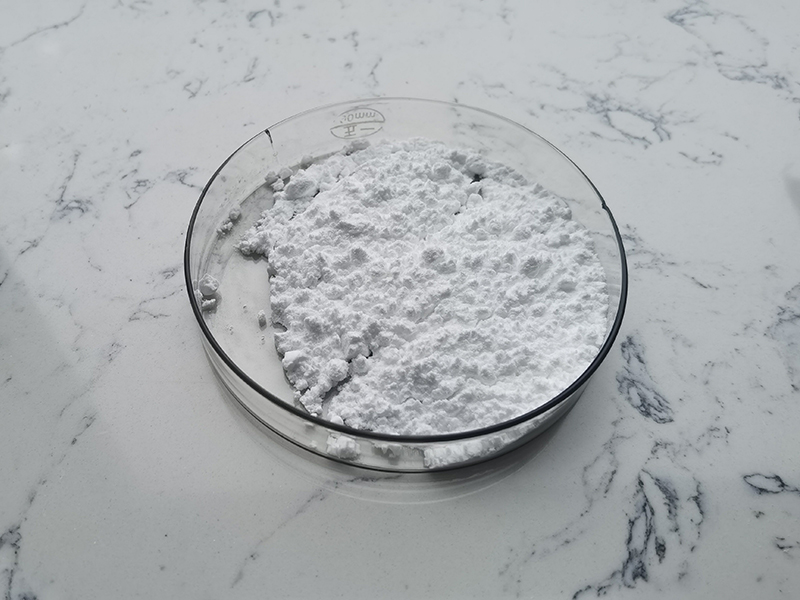
| Feature | Thiamine (Vitamin B1) | Benfotiamine |
| Chemical Type | Water-soluble vitamin (Vitamin B1) | Lipid-soluble derivative of thiamine (synthetic) |
| Bioavailability | Moderate absorption; limited by active transport in the gut | Higher absorption due to fat solubility; easily crosses cell membranes |
| Form in Body | Converted into thiamine pyrophosphate (TPP) in cells | Converted into thiamine in the body, then to TPP |
| Primary Function | Cofactor in carbohydrate metabolism; energy production; nerve function | Increases thiamine levels in tissues more effectively; supports similar functions but also protects against certain metabolic stress |
| Clinical Uses | Prevent/treat thiamine deficiency, beriberi, Wernicke-Korsakoff syndrome | Diabetic neuropathy, diabetic complications, some neurodegenerative conditions, prevention of advanced glycation end-products (AGEs) |
| Advantages | Natural vitamin; essential nutrient; widely available | Better tissue penetration; higher efficacy for neuropathy; more effective at reducing AGE formation |
| Administration | Oral or injection; water-soluble | Usually oral; better absorbed even at higher doses; fat-soluble |
| Safety Profile | Generally safe; water-soluble (excess excreted) | Generally safe; rare mild GI side effects; well-tolerated even at higher doses |
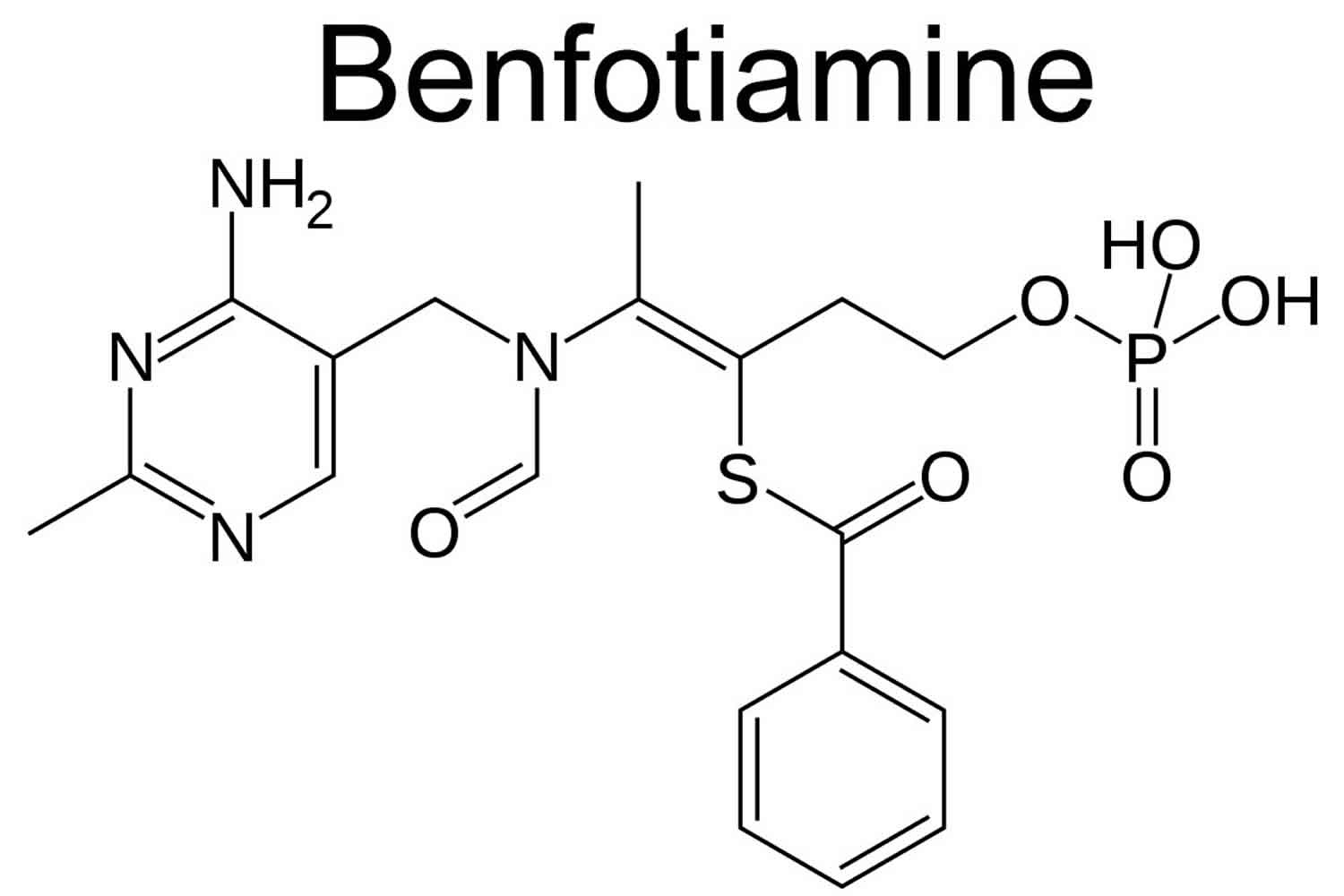
Key Points:
- Benfotiamine is not just thiamine—its lipid-soluble nature gives it superior absorption and tissue availability.
- For general thiamine deficiency, regular thiamine is sufficient.
- For neuropathy, diabetes-related complications, or oxidative stress, benfotiamine is preferred due to better tissue penetration and metabolic effects.
If you want, I can also explain why benfotiamine is particularly useful for diabetic neuropathy and neurodegeneration—it’s a fascinating mechanism. Do you want me to go into that?