
Citrus pectin can be beneficial for intestinal health, primarily due to its properties as a soluble dietary fiber. Here’s a detailed breakdown:
1. Promotes Healthy Gut Microbiota
Citrus pectin is fermented by beneficial gut bacteria, such as Bifidobacteria and Lactobacilli.
This fermentation produces short-chain fatty acids (SCFAs) like acetate, propionate, and butyrate, which:
- Nourish colon cells
- Reduce inflammation
- Help maintain a healthy gut barrier
2. Supports Regular Bowel Movements
Being a soluble fiber, citrus pectin absorbs water and forms a gel-like substance in the intestines.
This can soften stool and ease bowel movements, helping with mild constipation.
3. Detoxifying Effect
Citrus pectin can bind certain toxins and heavy metals in the gut, such as lead and mercury, facilitating their excretion.
This is why modified citrus pectin is sometimes used as a detox supplement.
4. May Reduce Gut Inflammation
Some studies suggest citrus pectin has anti-inflammatory effects in the gut, which could be helpful in conditions like irritable bowel syndrome (IBS) or mild colitis.
5. Prebiotic Effect
Acts as a prebiotic, stimulating the growth of beneficial bacteria, which improves overall intestinal function.
Usage tips:
- Gradually increase intake to avoid gas or bloating.
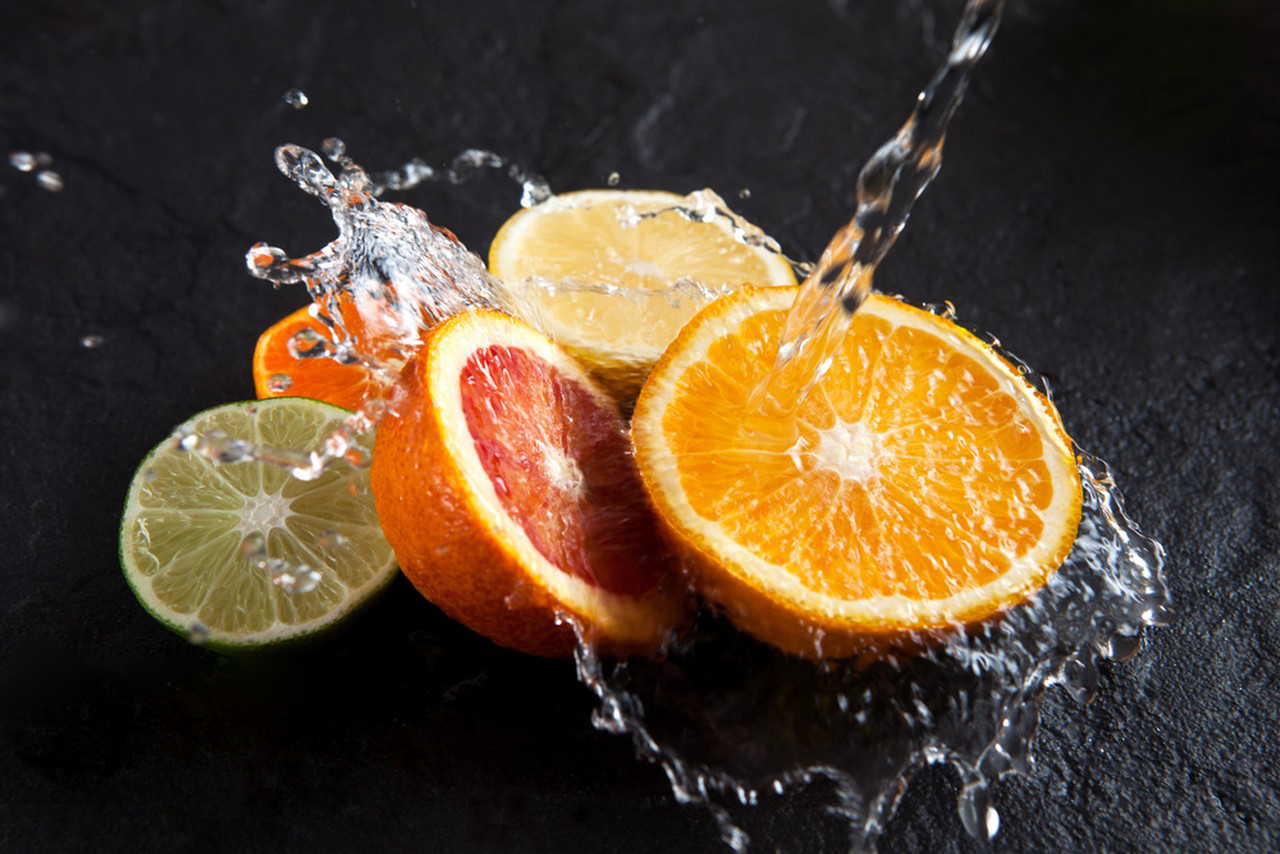
- Can be taken as a supplement or naturally via citrus peel, orange, or lemon segments (especially with pith).
Caution:
- In people with certain digestive disorders (like severe IBS or small intestinal bacterial overgrowth), high doses may cause discomfort.
If you want, I can also explain the difference between regular citrus pectin and modified citrus pectin for gut health—the distinction is important for effectiveness.