
Ergothioneine (EGT) is a naturally occurring amino acid and a powerful antioxidant that has attracted increasing attention in recent years due to its potential roles in human health, disease prevention, and aging. Here’s a comprehensive study covering its history, chemistry, biosynthesis, physiological roles, health benefits, sources, and current research.
What is Ergothioneine?
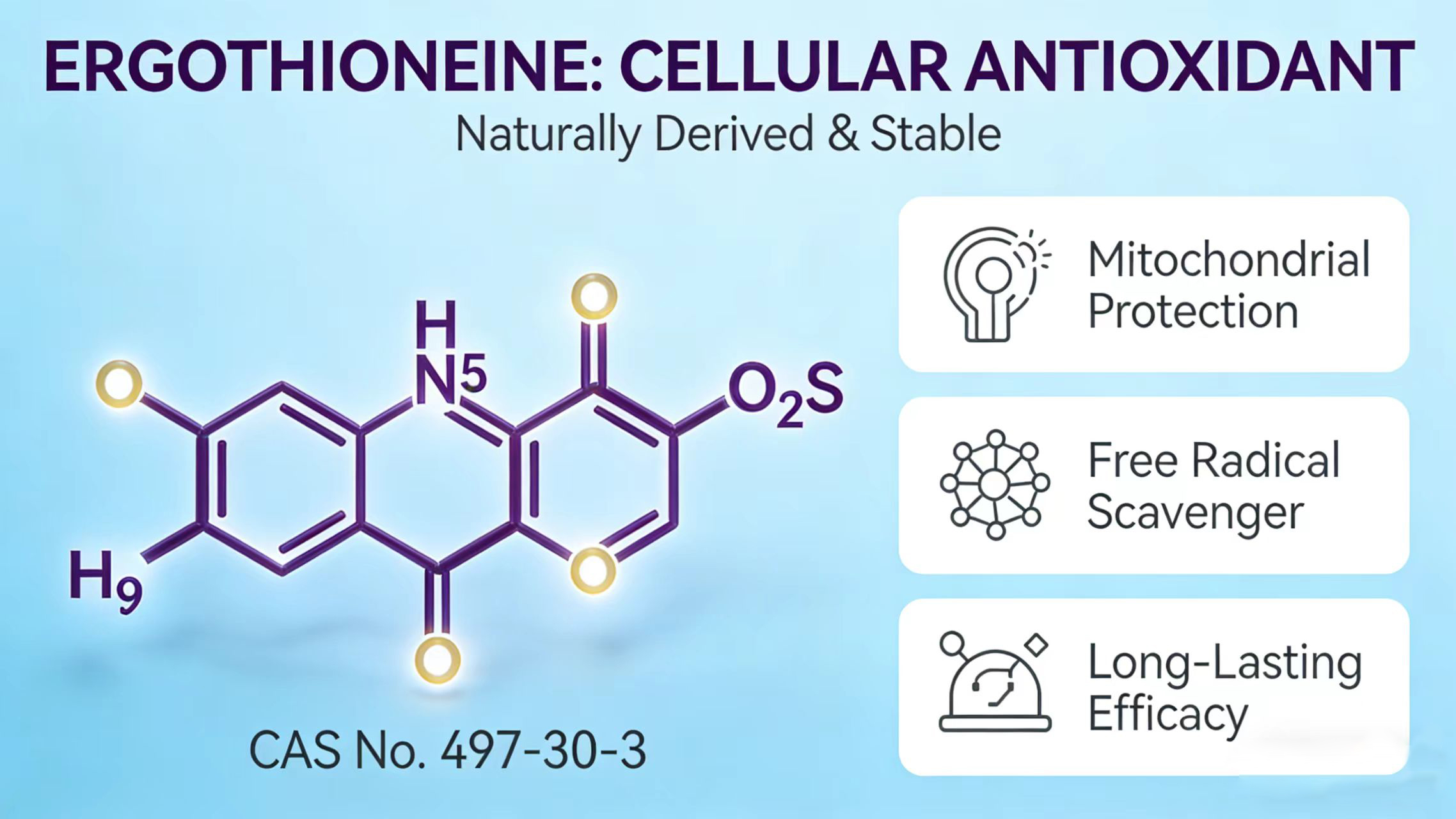
Ergothioneine (EGT) is a naturally occurring thiol/thione derivative of histidine, containing a sulfur atom on the imidazole ring. Its chemical name is 2-mercaptohistidine trimethylbetaine.
- Molecular formula: C₉H₁₅N₃O₂S
- Discovered in: 1909 by Charles Tanret from ergot fungus (hence the name)
- Unique property: Exists predominantly in its thione form under physiological conditions, making it highly stable compared to other antioxidants.
Sources of Ergothioneine
Humans cannot synthesize ergothioneine; it must be obtained from the diet.
Rich dietary sources:
- Mushrooms (especially oyster, king bolete, shiitake, and maitake)
- Organ meats (liver, kidney)
- Oats and black beans (lower amounts)
Produced by:
- Certain fungi and bacteria (e.g., Mycobacterium smegmatis, Actinobacteria, Cyanobacteria)
Uptake and Transport
Ergothioneine is absorbed via a specific transporter:
OCTN1 (SLC22A4)
- Highly specific to Ergothioneine
- Expressed in many tissues: liver, kidneys, brain, bone marrow, eyes, lungs
- Accumulates in areas prone to oxidative stress, inflammation, or high metabolic activity
Biological Functions
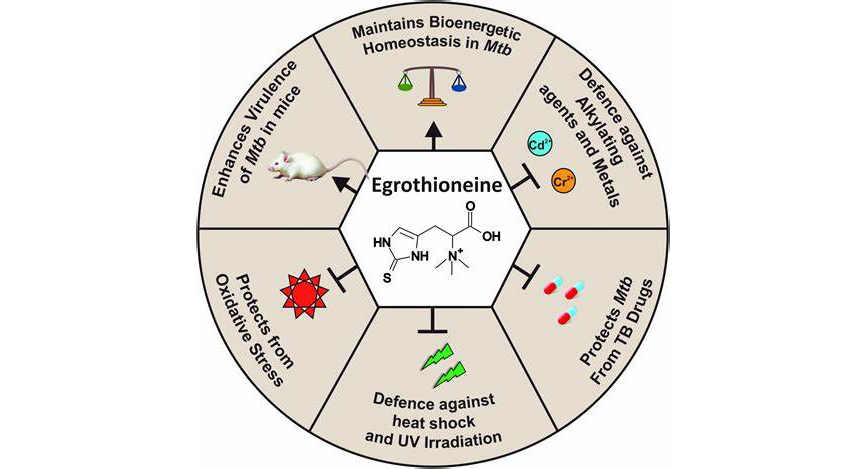
Ergothioneine is a cytoprotectant—protecting cells from damage:
1.Antioxidant Activity
- Scavenges reactive oxygen species (ROS), peroxynitrite, and hydroxyl radicals
- Unlike glutathione, resistant to autooxidation
2. Metal Ion Chelation
- Binds divalent metal cations (e.g., Fe²⁺, Cu²⁺), reducing Fenton reaction-mediated damage
3. Mitochondrial Protection
- Preserves mitochondrial function under oxidative stress
- Reduces lipid peroxidation
4. Anti-inflammatory Effects
- Downregulates pro-inflammatory cytokines (IL-6, TNF-α)
- May inhibit NF-κB signaling
Health Implications
Neuroprotection
- Ergothioneine crosses the blood-brain barrier
- Studied for its role in Parkinson’s, Alzheimer’s, and ALS
- May protect neurons from oxidative and inflammatory damage
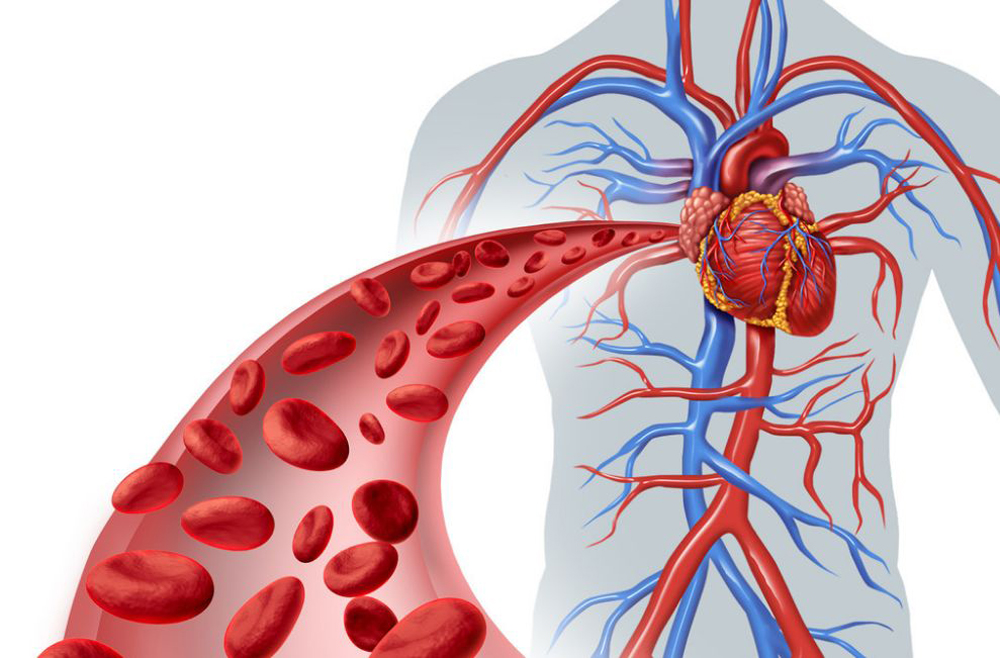
Cardiovascular Health
- Reduces oxidative stress on endothelial cells
- May inhibit LDL oxidation and atherogenesis
Anti-Aging and Longevity
- Tissue levels of Ergothioneine decline with age
- Proposed as a “longevity vitamin” by Dr. Bruce Ames
Other potential benefits:
- Protects skin against UV damage
- Enhances immune cell function
- May improve fertility (sperm protection from oxidative damage)
Clinical Studies and Safety
- Supplementation studies are ongoing; doses of up to 25 mg/day appear safe in humans.
- EFSA (European Food Safety Authority) considers Ergothioneine safe as a novel food ingredient.
- No known toxicity or adverse effects at physiological levels.
Current Research and Future Directions
Key research focuses:
- Ergothioneine is role in chronic diseases (neurodegeneration, diabetes, cancer)
- Its value as a biomarker for oxidative stress
- Genetic studies on OCTN1 polymorphisms and disease susceptibility
- Developing synthetic biology approaches for sustainable EGT production
References
Here are some key publications for deeper reading:
- Cheah IK, Halliwell B. Ergothioneine; antioxidant potential, physiological function and role in disease. Biochim Biophys Acta Gen Subj. 2012.
- Paul BD, Snyder SH. The unusual amino acid L-ergothioneine is a physiologic cytoprotectant. Cell Death Differ. 2010.
- Ames BN. Prolonging healthy aging: longevity vitamins and proteins. Proc Natl Acad Sci USA. 2018.
- EFSA Panel on Dietetic Products, Nutrition and Allergies. Scientific Opinion on the safety of L-ergothioneine. EFSA Journal. 2016.
If you’re interested, I can also:
Summarize clinical trials on Ergothioneine
Compare it with other antioxidants (e.g., glutathione, CoQ10)
Draft a research proposal or literature review
Would you like help with any of those?