
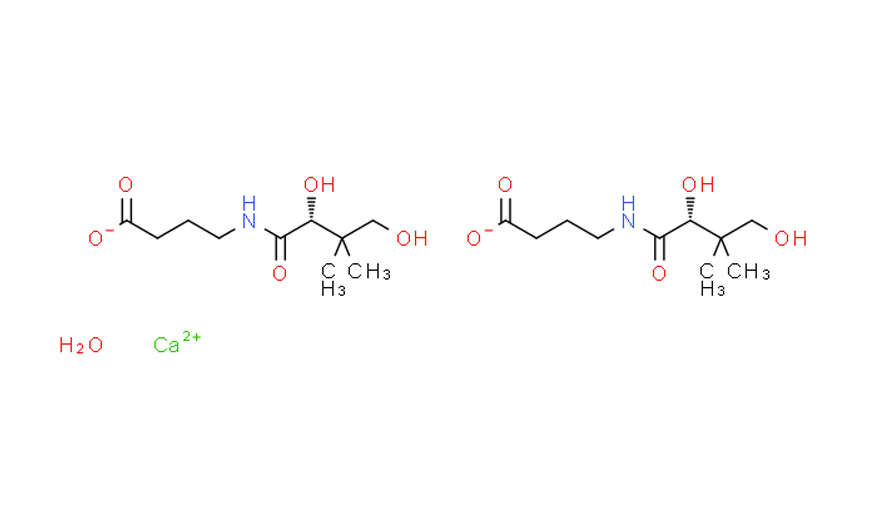
Calcium Hopantenate Hemihydrate (also known as calcihopantenate) is a compound that combines calcium with hopantenic acid (a derivative of pantothenic acid or vitamin B5). This compound has various applications, particularly in the fields of medicine and neurology. Here’s an overview of its effects and functions:
Effects of Calcium Hopantenate Hemihydrate:
1. Neuroprotective Effects:
- Calcium hopantenate has been investigated for its potential neuroprotective effects. It is believed to support brain health by modulating the activity of neurotransmitters, especially in relation to the cholinergic system.
2. Cognitive Function:
- It has been studied for its impact on cognitive function, particularly in conditions like dementia or age-related cognitive decline. It may help improve memory and cognitive performance in certain individuals, though the evidence is still being studied.

3. Anti-anxiety and Stress Reduction:
- Some studies suggest that hopantenate may help reduce anxiety and stress, likely due to its influence on neurotransmitter systems related to mood regulation.
4. Support for Metabolic Health:
- As a derivative of pantothenic acid (vitamin B5), it may play a role in supporting metabolic processes in the body, including the synthesis of coenzyme A, which is essential for energy metabolism and the synthesis of important molecules like fatty acids.
5. Potential Antidepressant-like Effects:
- Some animal studies have indicated that calcium hopantenate might have mild antidepressant-like properties, potentially offering benefits for mood disorders.
Function of Calcium Hopantenate Hemihydrate:
1. Neurotransmitter Regulation:
- It may influence neurotransmitters such as acetylcholine, which is important for memory and cognitive function. By enhancing the action of acetylcholine in the brain, it can potentially improve cognitive performance.
2. Calcium Homeostasis:
- The calcium component of calcium hopantenate could play a role in maintaining calcium balance in the body, especially in neural tissue. Calcium is essential for a range of cellular processes, including neurotransmitter release and synaptic plasticity, which are key for learning and memory.
3. Pantothenic Acid Derivation:
- Since hopantenic acid is derived from pantothenic acid (vitamin B5), calcium hopantenate can contribute to the body’s needs for vitamin B5, which is essential for the synthesis of coenzyme A, a vital cofactor in metabolic pathways.
Medical Applications:
- Cognitive Disorders: Calcium hopantenate has been used in the treatment of various cognitive disorders, including Alzheimer’s disease and other forms of dementia.
- Neurological Health: It may be used to improve neurological health, support brain function, and potentially alleviate symptoms related to neurodegenerative conditions.
However, while it shows promise, the full clinical effectiveness and safety of calcium hopantenate require further investigation, especially in human trials. Always consult a healthcare provider for specific advice regarding its use.