
Ergothioneine (EGT) is a naturally occurring amino acid and antioxidant found in high concentrations in mushrooms and some other foods. It has gained attention for its potential health benefits and roles in preventing oxidative stress and inflammation.
Here’s a breakdown of its efficacy and effects:
Mechanism of Action
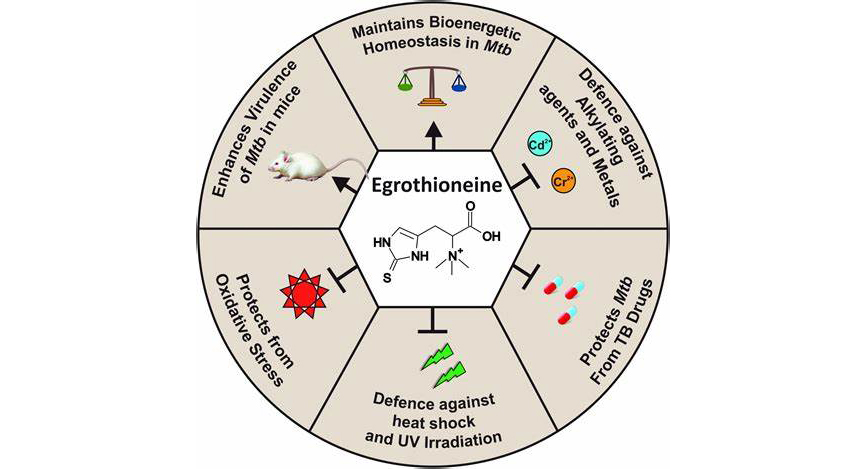
Antioxidant: Ergothioneine is a thiol compound that neutralizes reactive oxygen species (ROS) and protects cells from oxidative damage.
Mitochondrial Protection: It accumulates in mitochondria, where it helps maintain cellular energy and reduce oxidative stress.
Cytoprotective Transporter (OCTN1): The human body has a specific transporter (SLC22A4/OCTN1) dedicated to absorbing and distributing Ergothioneine—suggesting its importance in physiology.
Potential Benefits (Efficacy)
1.Neuroprotection
- May protect neurons from oxidative damage.
- Linked to reduced risk of neurodegenerative diseases (e.g., Alzheimer’s, Parkinson’s).
- Some observational studies show people with higher Ergothioneine levels have better cognitive health.
2.Cardiovascular Health
- Anti-inflammatory and antioxidant properties may reduce atherosclerosis risk.
- Possible reduction in endothelial dysfunction.
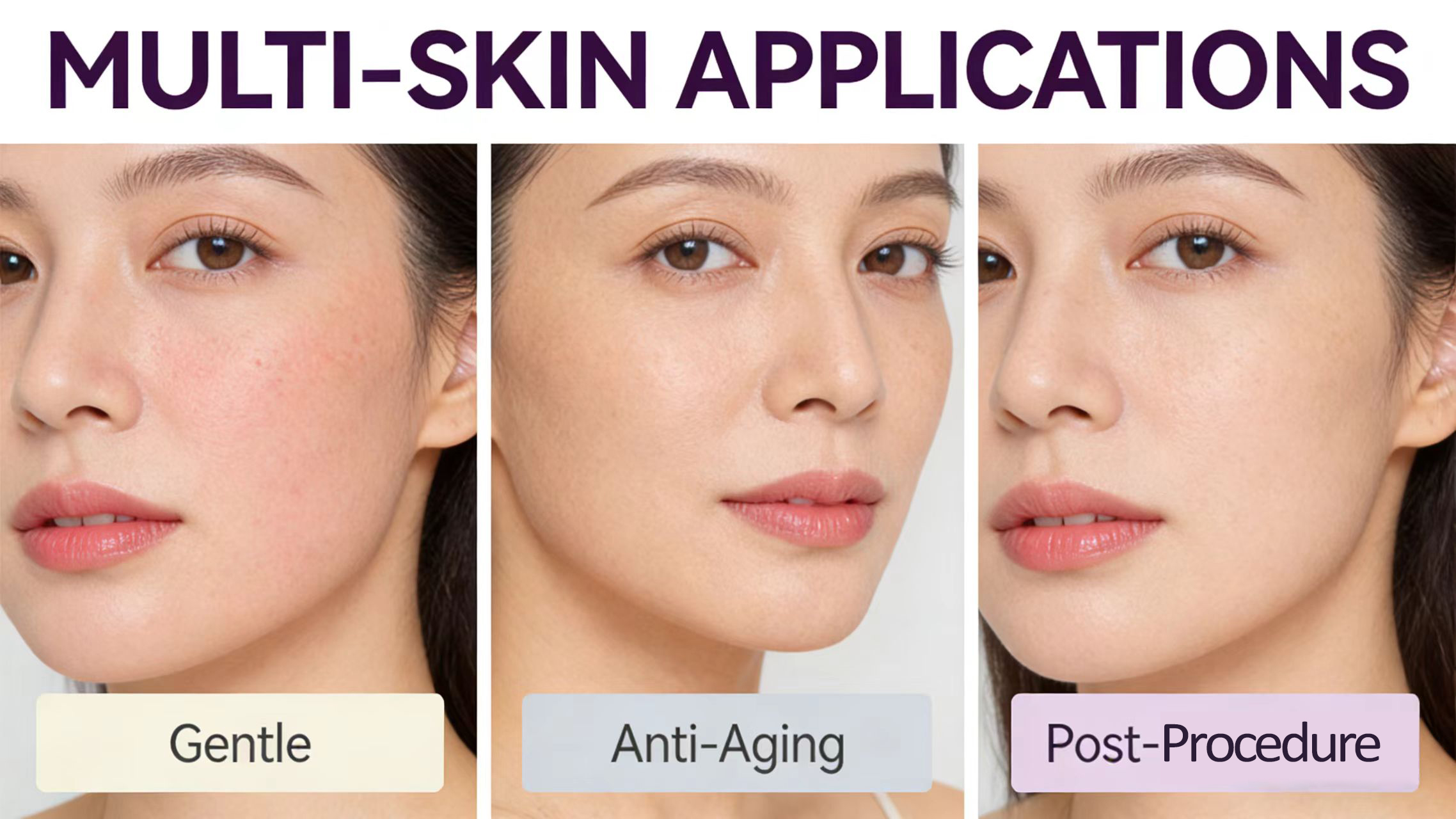
3.Anti-Aging
- Protects DNA, proteins, and lipids from oxidative damage.
- May slow age-related cellular decline.
4.Liver and Kidney Protection
- Animal studies show protection against drug-induced toxicity (e.g., from acetaminophen or cisplatin).
5.Immune Modulation
- Helps modulate inflammatory responses.
- May support a balanced immune system.
Clinical Evidence (Human Studies)
- Human studies are limited but growing.
- A 2021 study published in Antioxidants found higher plasma Ergothioneine associated with reduced risk of cognitive impairment.
- Another study suggested a correlation between Ergothioneine levels and reduced markers of oxidative stress and inflammation in aging adults.
More large-scale, long-term clinical trials are needed to confirm these effects and establish proper dosing guidelines.
Natural Sources
- Mushrooms (especially oyster, shiitake, and king trumpet)
- Black beans, oat bran, kidney beans (lower concentrations)
- Supplement form also available
Safety & Side Effects
- Generally considered safe with no major side effects reported in humans.
- Long-term safety data is still limited.
- No established upper intake limit (as of now), but supplementation should follow recommended guidelines if available.
Would you like info on specific studies or how it compares to other antioxidants like glutathione or CoQ10?