
Ergothioneine (EGT) is a naturally occurring antioxidant that plays a promising role in protecting cells from age-related damage. Its effects on cellular aging are still being actively studied, but current research suggests several mechanisms by which it may help slow the aging process:
1. Powerful Antioxidant Protection
- Reduces oxidative stress: Ergothioneine scavenges reactive oxygen species (ROS) and protects cellular components like DNA, proteins, and lipids from oxidative damage.
- Compared to other antioxidants, Ergothioneine is highly stable and does not degrade easily, which makes it uniquely effective over time.
2. Mitochondrial Health
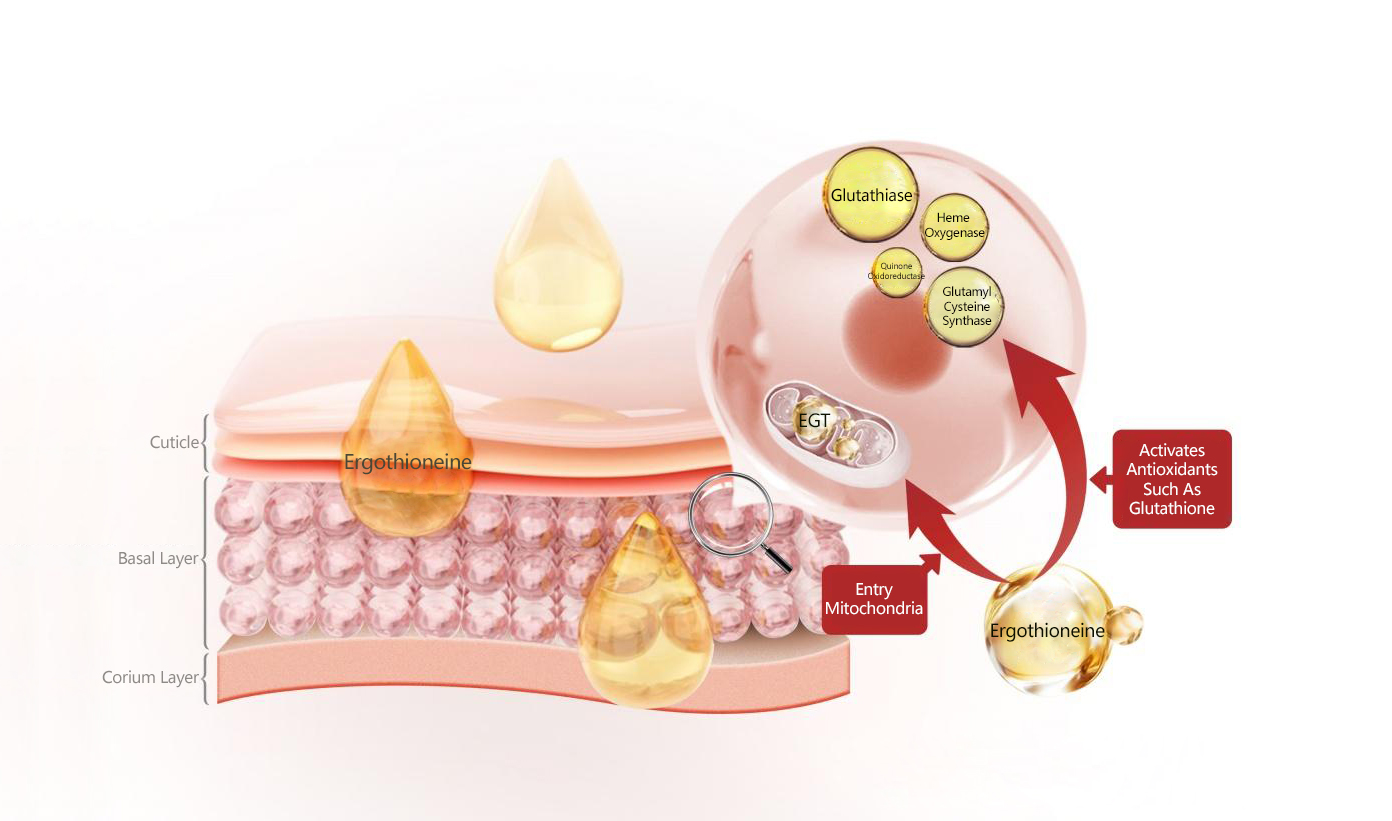
- Ergothioneine accumulates in mitochondria, the “powerhouses” of cells, where oxidative stress is most intense.
- Protects mitochondrial DNA and improves mitochondrial function, which is critical for energy production and aging resistance.
3. Anti-Inflammatory Effects
- Ergothioneine reduces the expression of pro-inflammatory cytokines and may help control chronic, low-grade inflammation (inflammaging), which is a hallmark of aging.
4. Cellular Protection and Longevity Pathways
Some studies suggest that Ergothioneine may influence genes related to cell survival and stress response, such as:
- SIRT1 (sirtuins), which are involved in DNA repair and lifespan extension.
- NRF2 pathway, which regulates the body’s antioxidant response.
5. Cellular Transport and Selectivity
- The body has a specialized transporter for ergothioneine called ETT (OCTN1), indicating its importance in biology.
- Ergothioneine accumulates selectively in high-stress areas like the liver, brain, and bone marrow, suggesting a protective, age-related targeting mechanism.
Summary
Ergothioneine may help delay or mitigate cellular aging by:
- Reducing oxidative and inflammatory stress
- Supporting mitochondrial function
- Influencing longevity-related genetic pathways
While human clinical data are still emerging, animal and cellular studies are promising, and Ergothioneine is increasingly being considered a “longevity vitamin” or “cellular protector.”
Would you like references to specific studies or info on food sources and supplements?