
5-Deazaflavin is a synthetic coenzyme analog of flavin mononucleotide (FMN) and is primarily used in biochemical and pharmaceutical research, particularly in studies related to enzyme catalysis, redox reactions, and in the context of photochemical processes. While it’s not commonly used in consumer products, its use in research or lab settings can involve specific considerations.
To use 5-Deazaflavin for the best results, you should follow these general guidelines:
- Concentration: The concentration of 5-Deazaflavin should be optimized based on your specific experiment or application. For enzyme assays, this could range from micromolar to millimolar concentrations. You may need to conduct experiments to determine the optimal concentration for your application.
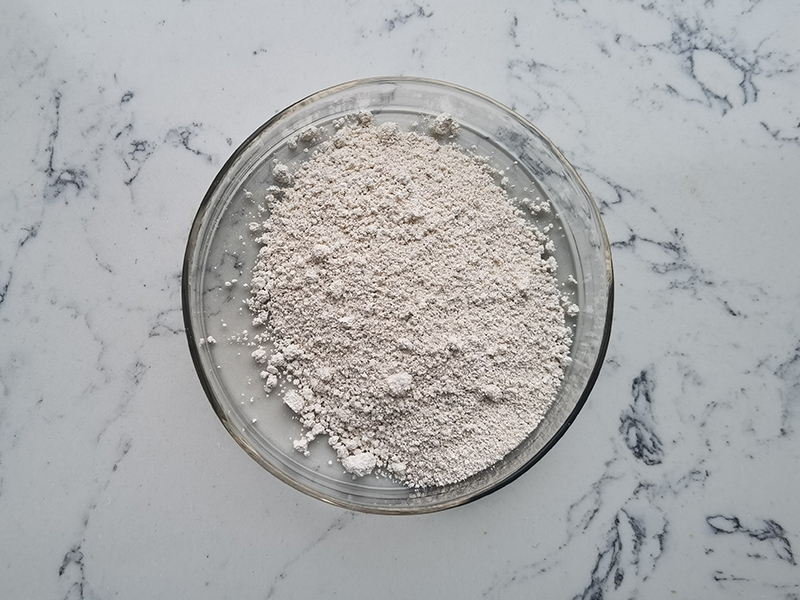
- Solvent: 5-Deazaflavin is typically dissolved in aqueous solutions or organic solvents like DMSO (dimethyl sulfoxide), depending on the experimental setup. Ensure it is fully dissolved to prevent issues with inconsistent results.
- pH: The pH of the environment in which 5-Deazaflavin is used can significantly affect its activity. Generally, 5-Deazaflavin works best at slightly acidic to neutral pH levels (around pH 6-8). However, check the specifics of your experiment to confirm the optimal pH range.
- Temperature: Store 5-Deazaflavin at lower temperatures, typically in a freezer, to maintain stability. When using it in experiments, ensure that your reactions or processes occur at the optimal temperature for the enzyme or process being studied.
- Light Sensitivity: Since 5-Deazaflavin is a photoactive molecule, it can be sensitive to light. If you’re using it in photochemical experiments, consider controlling the exposure to light to avoid unwanted degradation or changes in the activity of the compound.
- Enzyme-Related Applications: If you’re using it to study enzymes (e.g., as a coenzyme or cofactor in enzyme catalysis), make sure that the enzyme and the reaction conditions are compatible with the 5-Deazaflavin. You might need to perform calibration experiments to determine the ideal reaction conditions.
- Safety: While not commonly toxic, 5-Deazaflavin should still be handled with care in the laboratory. Wear appropriate protective gear such as gloves, lab coat, and eye protection when working with it.
Since the use of 5-Deazaflavin is primarily in research, check the specific protocols or scientific papers relevant to your study for more detailed guidance on concentration, solvents, and conditions for optimal results.