
Hydrolyzed Sponge – “Bone Needles” refers to the microneedle-like spicules derived from natural freshwater or marine sponges after hydrolysis and purification. These are often called sponge spicules, sponge microneedles, or informally bone needles because of their rigid, needle-shaped structure.
1. What are “bone needles” in Hydrolyzed Sponge?
“Bone needles” are siliceous sponge spicules:
- Naturally occurring skeletal elements of sponges
- Composed mainly of silicon dioxide (SiO₂)
- Micron-scale, needle-like structures
- Obtained after hydrolysis, purification, and size control
They are not bone and contain no calcium phosphate like real bone.
2. Structural Characteristics
| Property | Description |
| Shape | Needle / rod / spear-like |
| Length | ~50–300 μm (cosmetic grade usually 80–200 μm) |
| Diameter | ~5–20 μm |
| Hardness | Rigid, brittle |
| Composition | Amorphous silica |
| Surface | Micro-rough with barbs or spines |
These physical properties allow them to penetrate the stratum corneum mechanically.
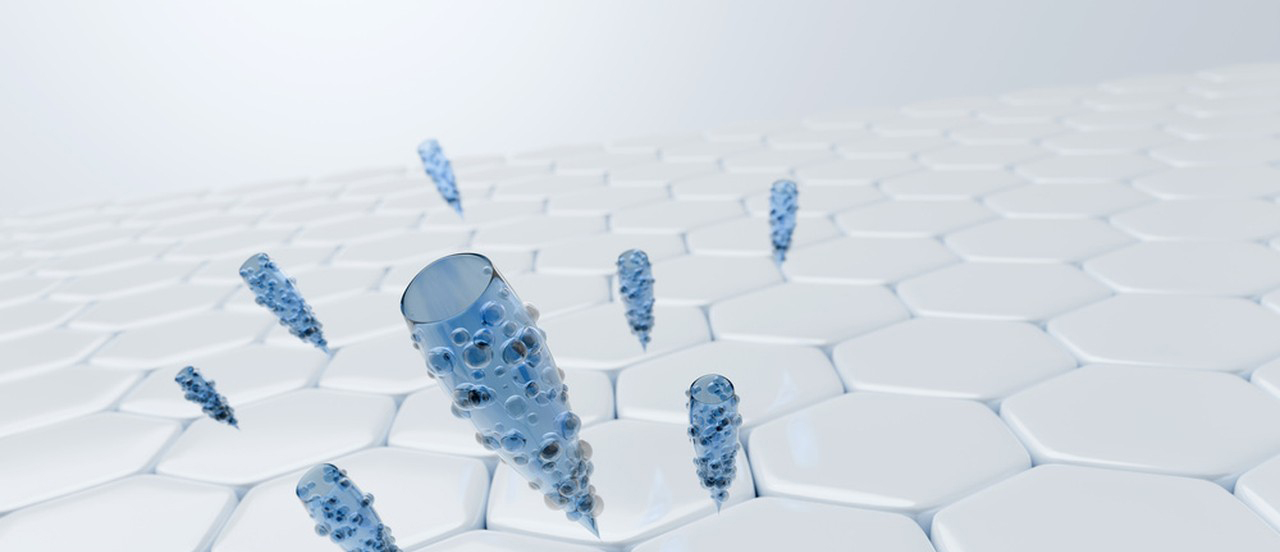
3. How “bone needles” work on skin
(1) Micromechanical penetration
Spicules embed vertically into the epidermis
Create thousands of microchannels
Do not reach blood vessels when properly sized
(2) Enhanced transdermal delivery
Microchannels increase penetration of:
- Peptides
- Growth factors
- Whitening agents
- Anti-acne actives
(3) Biological stimulation
Mild controlled irritation triggers:
- Keratinocyte renewal
- Fibroblast activation
- Collagen synthesis
This is similar in concept to microneedling, but without devices.
4. Why hydrolysis is important
Raw sponge spicules are irritating and unsafe. Hydrolysis:
- Removes proteins and organic residues
- Reduces inflammation risk
- Improves uniformity and purity
- Makes spicules suitable for cosmetic use
Only hydrolyzed and standardized spicules are acceptable for skincare.
5. Cosmetic functions of sponge “bone needles”
| Function | Effect |
| Exfoliation | Physical + biological turnover |
| Skin renewal | Accelerates epidermal cycling |
| Anti-acne | Clears follicular blockage |
| Whitening | Improves penetration of actives |
| Anti-aging | Stimulates collagen remodeling |
Common in:
- Spicule peels
- Resurfacing serums
- Professional skin renewal treatments
6. Sensory effects & skin response
Normal reactions:
- Tingling / prickling (12–72 hours)
- Mild redness
- Micro-desquamation
Abnormal reactions (poor quality material):
- Burning pain
- Prolonged inflammation
- Barrier damage
Quality control and dosage are critical.
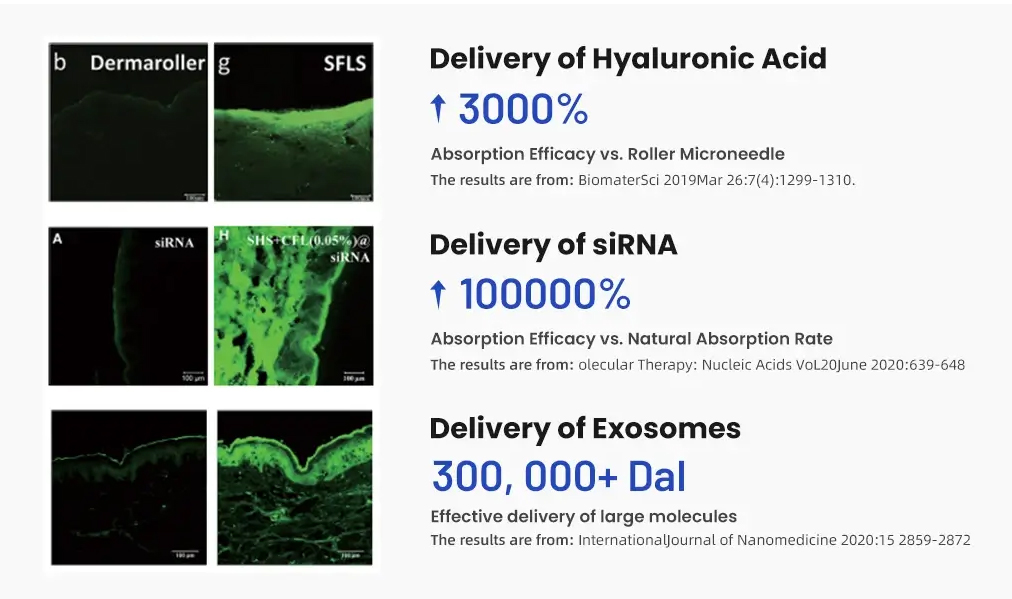
7. Comparison with other “needle” technologies
| Technology | Material | Delivery |
| Sponge bone needles | Silica spicules | Random microchannels |
| Microneedle patches | Hyaluronic acid / polymers | Controlled depth |
| Metal microneedles | Stainless steel | Device-based |
| Calcium needles | Ca salts | Dissolvable |
Sponge spicules are natural, non-device, and cost-effective.
8. Safety considerations
Must be cosmetic-grade hydrolyzed sponge
Not recommended for:
- Active dermatitis
- Broken skin
- Extremely sensitive skin
Sunscreen mandatory post-use
Summary (one sentence)
Hydrolyzed Sponge “bone needles” are purified silica spicules that act as natural microneedles, enhancing skin renewal and ingredient penetration through controlled micro-stimulation.