
5-Deazaflavin (5-DF) is a synthetic compound that is structurally related to flavin mononucleotide (FMN) and is commonly used in various biological and biochemical applications. While its use in cosmetics is not as widespread as some other compounds, there is growing interest in its potential due to its antioxidant properties and involvement in cellular processes.
Here are some potential mechanisms of action of 5-Deazaflavin in the field of cosmetics:
1. Antioxidant Activity
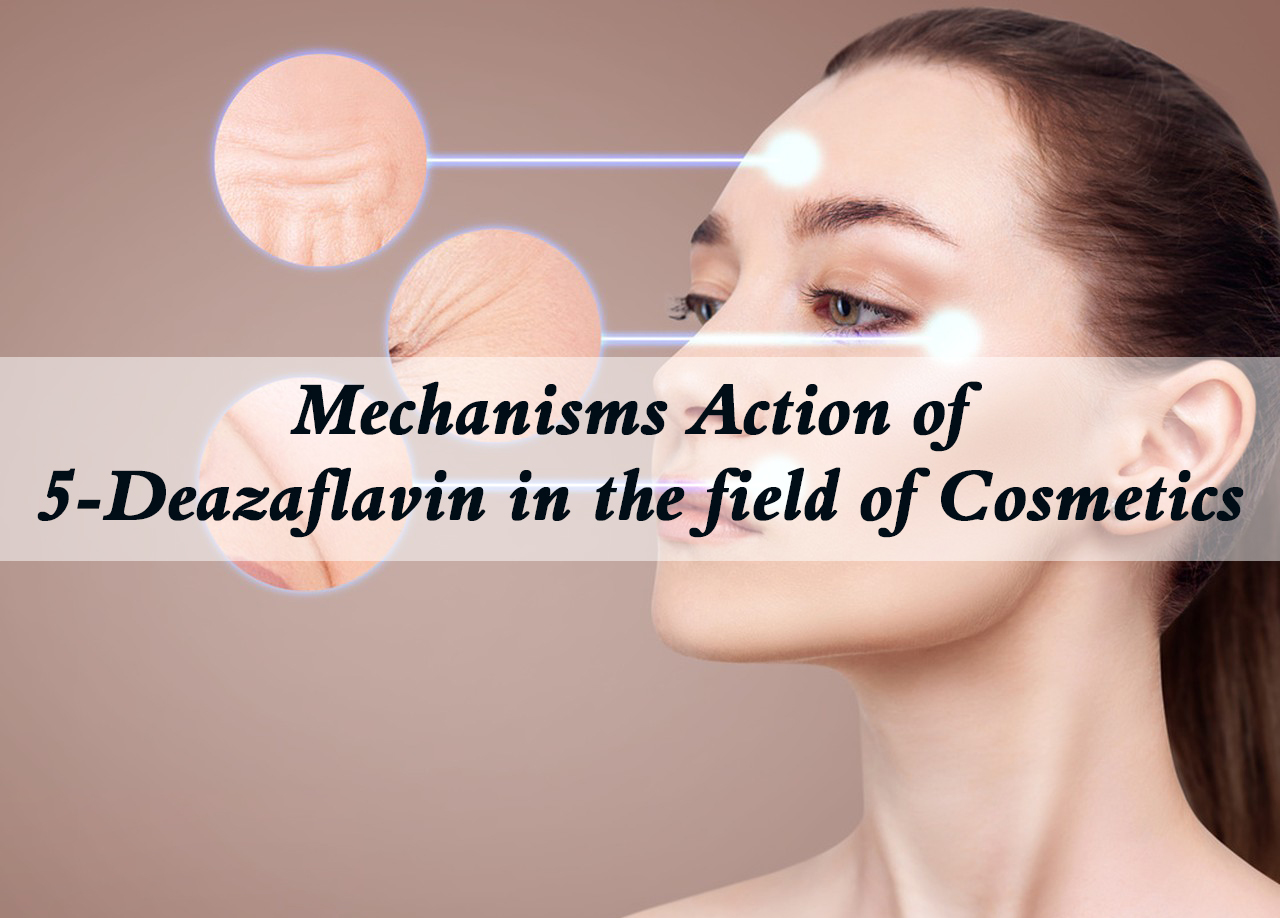
- 5-Deazaflavin can act as an antioxidant. It has the ability to neutralize free radicals, which are unstable molecules that can cause oxidative stress and damage to skin cells. This helps in preventing skin aging, wrinkles, and other signs of environmental damage caused by UV radiation or pollution.
2. DNA Repair Mechanism
- As a cofactor in enzymatic reactions, 5-Deazaflavin has been shown to play a role in DNA repair and cellular regeneration. In cosmetics, this may help to repair UV-induced skin damage or prevent the accumulation of cellular mutations that can lead to premature skin aging or even skin cancer. This could be beneficial in products designed for anti-aging or for people with damaged skin.
3. Regulation of Cellular Metabolism
- 5-Deazaflavin may influence cellular metabolism by acting as a cofactor in redox reactions and energy production pathways. By modulating these processes, it could support healthy skin regeneration, improve skin tone, and promote the renewal of skin cells, potentially offering benefits in skin rejuvenation or acne treatment.
4. Enhancing Collagen Production
- Although not directly confirmed in all cases, flavin derivatives like 5-Deazaflavin could promote collagen synthesis. Collagen is a protein that gives the skin its structure and elasticity, and its production decreases with age. By stimulating collagen production, 5-Deazaflavin could help in improving skin firmness and reducing wrinkles.
5. Improved Skin Tone and Texture
- Given its potential antioxidant properties and ability to regulate cellular functions, 5-Deazaflavin might help improve the appearance of skin, making it look more radiant, smooth, and even-toned. Its effects on cellular turnover may contribute to a more youthful skin appearance.
6. Reducing Inflammation
- 5-Deazaflavin might also have anti-inflammatory properties that could be helpful in treating conditions such as acne, rosacea, or other inflammatory skin issues. By reducing inflammation, it can help soothe irritated skin, reducing redness and promoting a calmer complexion.
Overall, the application of 5-Deazaflavin in cosmetics would likely focus on its antioxidant and DNA-repairing properties, helping with skin protection, rejuvenation, and anti-aging effects. However, further clinical studies and testing are needed to substantiate its efficacy and safety for widespread use in cosmetic formulations.