
Origin of Ectoine:
Ectoine is an organic compound that is classified as an amino acid derivative. It was first discovered in the early 1980s in Halomonas elongata, a species of halophilic (salt-loving) bacteria. Ectoine was found to be a compatible solute, meaning it helps cells maintain stability in harsh environments, particularly under stress conditions like high salinity, UV radiation, and extreme temperatures. This protective mechanism allows organisms like Halomonas to thrive in extreme habitats such as salt lakes, saline environments, and hypersaline environments.
Nature of Ectoine:
Ectoine is a cyclic amino acid derivative with the chemical formula C6H12N2O2. It contains a heterocyclic ring structure with nitrogen and oxygen atoms. Its molecular structure consists of an imidazole ring with a carboxyl group attached to the side chain. As a compatible solute, ectoine plays a significant role in stabilizing proteins and cellular structures under stress conditions by preventing protein denaturation and maintaining cell hydration.
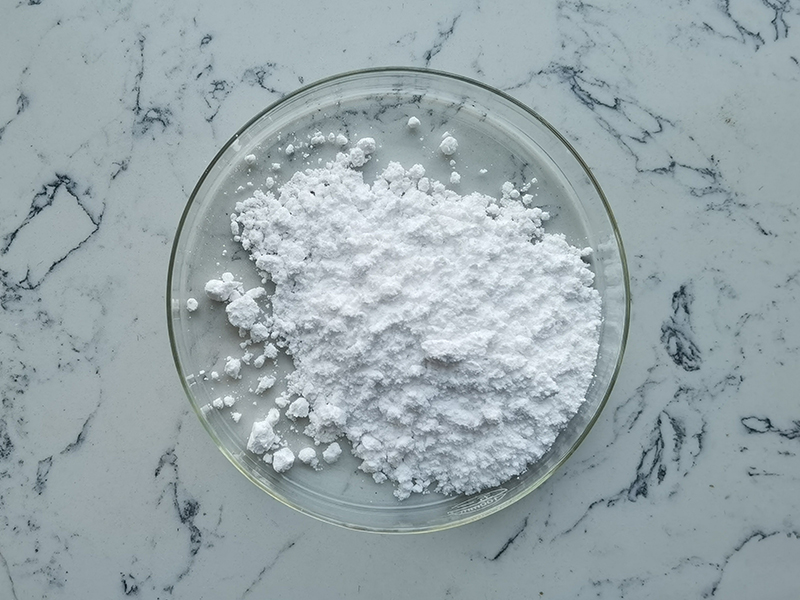
Some key characteristics of Ectoine include:
- Hydration Properties: It helps in maintaining the hydration of biomolecules.
- Stabilization: It stabilizes proteins, enzymes, and cellular membranes under extreme stress.
- Thermostability: It enhances the thermal stability of enzymes and proteins, which is why it’s often used in biotechnological applications.
Introduction of Ectoine:
Ectoine is beneficial properties have led to its introduction and use in a variety of fields, including:
- Cosmetic Industry: Due to its ability to protect skin cells from UV radiation and prevent dehydration, ectoine has been incorporated into skincare products such as moisturizers, sunscreens, and anti-aging formulations.
- Pharmaceuticals: In medicine, ectoine has been explored for its potential to treat conditions like dry eye syndrome, where it helps to stabilize tear film and prevent the drying of the eyes. It is also used in respiratory therapies for conditions like asthma, due to its protective effects on the airway lining.
- Agriculture and Biotechnology: Ectoine has been studied for its use in enhancing the stress tolerance of crops. It is also used in industrial biotechnology processes to stabilize enzymes, particularly in those that require harsh environmental conditions.
- Food Industry: Ectoine’s protective nature has also been explored for preserving the stability of certain food ingredients that are sensitive to environmental stresses, though its use here is still developing.
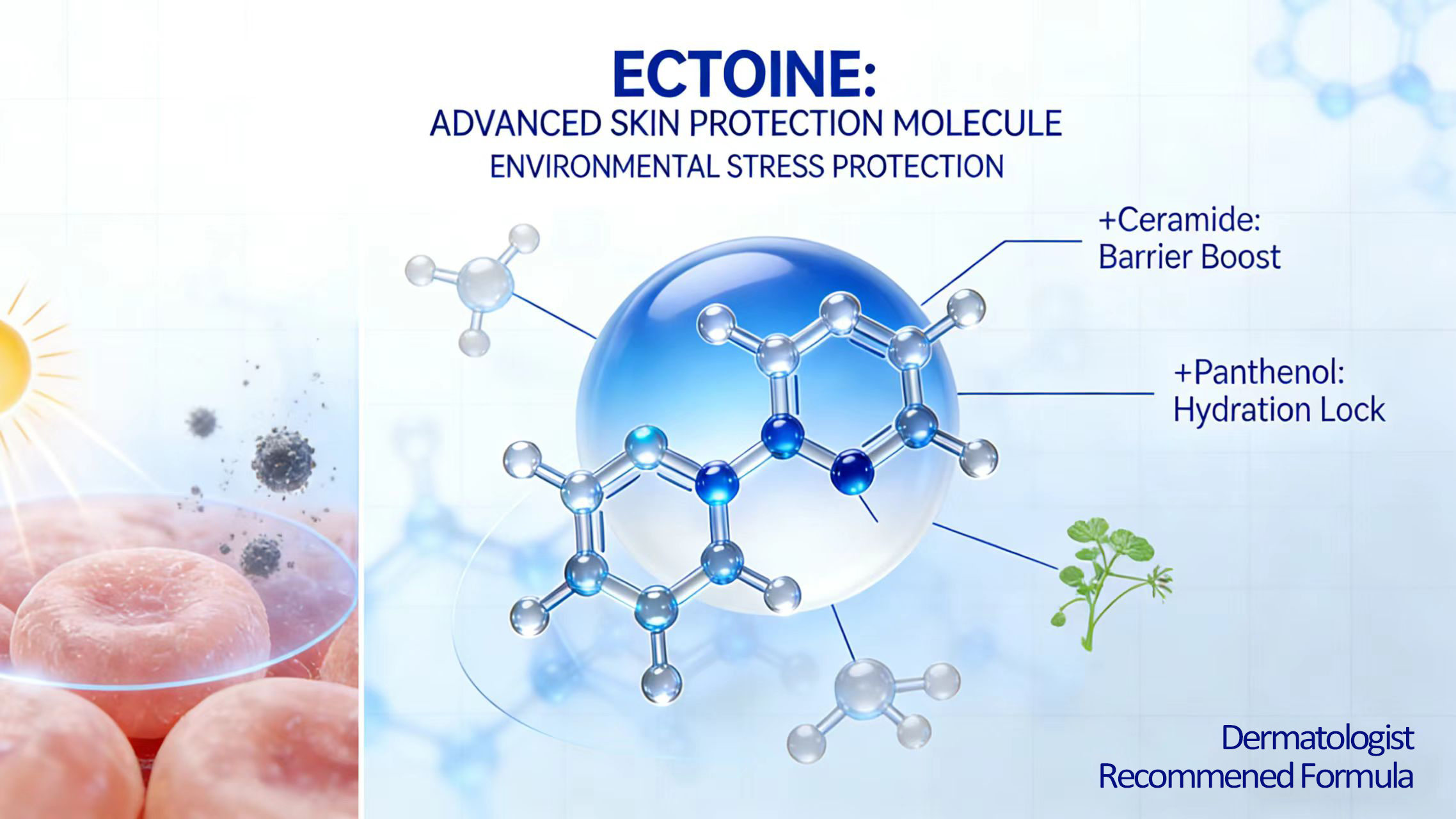
Ectoine is commercially produced through microbial fermentation, with bacteria like Halomonas elongata being cultivated in controlled conditions to generate this valuable compound.
Its introduction into these various industries has capitalized on its natural properties that protect biological molecules from stress-induced damage, which is why it’s considered a versatile and promising ingredient in different applications.