
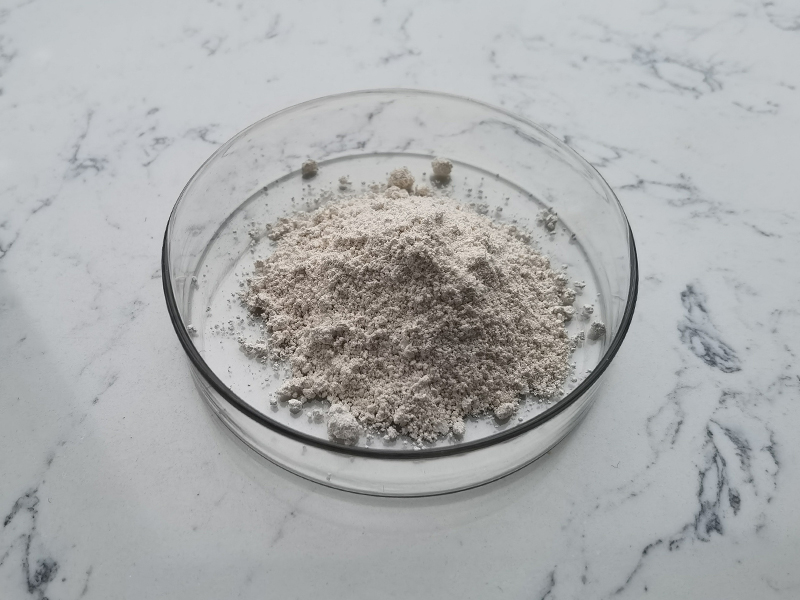
5-Deazaflavin (5-DF) is a synthetic compound that is structurally related to flavins, which are derivatives of the vitamin riboflavin (Vitamin B2). The preparation method of 5-Deazaflavin generally involves replacing the nitrogen atom at position 10 in the flavin structure with a carbon atom, resulting in a molecule that retains many of the properties of flavins but has some distinct differences.
Here’s a general method for preparing 5-Deazaflavin:
1. Synthesis from 5-Deazaflavin-4′-amine
One common way to synthesize 5-Deazaflavin is through the following steps:
Step 1: Preparation of 5-Deazaflavin-4′-amine
- This can be synthesized starting from simple aromatic amines or purine derivatives. The goal is to synthesize an amine derivative at the 4′ position relative to the flavin structure.
Step 2: Condensation reaction
- The amine derivative undergoes a condensation reaction with appropriate aldehydes or ketones to form the 5-Deazaflavin skeleton. This reaction is typically carried out under mildly acidic or neutral conditions to facilitate the formation of the ring structure.
Step 3: Cyclization
- A cyclization step follows to close the ring and form the deazaflavin structure. This may involve heat and sometimes a catalyst, depending on the specific precursor used.
Step 4: Purification
- The final compound is purified, often by recrystallization or chromatographic methods like silica gel chromatography, to isolate pure 5-Deazaflavin.
2. Alternative Method: Starting from 2-Amino-3,4-dihydroxybenzene
- Another method involves starting from a precursor like 2-amino-3,4-dihydroxybenzene. This compound is then subjected to cyclization reactions to form the flavin-like structure with a 5-Deazaflavin backbone.
General Reagents and Conditions:
- Reagents: Aromatic amines, aldehydes/ketones, acid/base catalysts.
- Solvents: Ethanol, methanol, or other polar solvents.
- Temperature: The reactions may require heating (e.g., 100-150°C) or may be carried out at room temperature depending on the specific reaction conditions.
Notes:
- The exact preparation method can vary based on the starting materials and desired purity of the final product.
- As with many heterocyclic compounds, the reaction conditions need to be optimized to prevent unwanted side reactions or the formation of isomers.
Would you like more detailed information on a specific step or reaction for this synthesis?