
Bifida Ferment Lysate (BFL) is a widely used postbiotic skincare ingredient, especially valued for skin barrier repair, anti-aging, and resilience enhancement.
Pros of Bifida Ferment Lysate
1. Skin Barrier Support
- Helps strengthen the skin’s natural barrier, improving its resistance to environmental stressors, pollution, and irritants.
- Can reduce transepidermal water loss, keeping skin hydrated.
2. Soothing and Anti-Inflammatory
- Calms sensitive or irritated skin.
- May reduce redness and inflammation caused by dryness, irritation, or mild acne.

3. Anti-Aging Potential
- Contains compounds that can protect skin DNA from damage caused by UV exposure.
- Supports repair mechanisms in the skin, reducing the appearance of fine lines and wrinkles over time.
4. Hydration
- Promotes moisturization and enhances skin softness.
5. Compatibility
- Generally gentle and suitable for sensitive skin types.
- Often used in products for post-procedure skincare (e.g., after laser, chemical peels).
6. Prebiotic Effects
- Can support the skin microbiome, promoting a healthy balance of skin bacteria, which may improve overall skin health.
Cons of Bifida Ferment Lysate
1. Allergic Reactions
- Rare, but some people with very sensitive skin may develop irritation, redness, or breakouts.
2. Limited Clinical Evidence
- While there is promising research, most studies are small or in vitro, so long-term benefits are still being investigated.
3. Cost
- Products containing Bifida Ferment Lysate can be more expensive due to its bioactive nature.
4. Specificity
- May be less effective for severe skin conditions compared to targeted treatments (e.g., prescription actives for eczema, psoriasis, or acne).
5. Stability Concerns
- Fermented ingredients can degrade over time or when exposed to light and air, potentially reducing effectiveness in poorly formulated products.
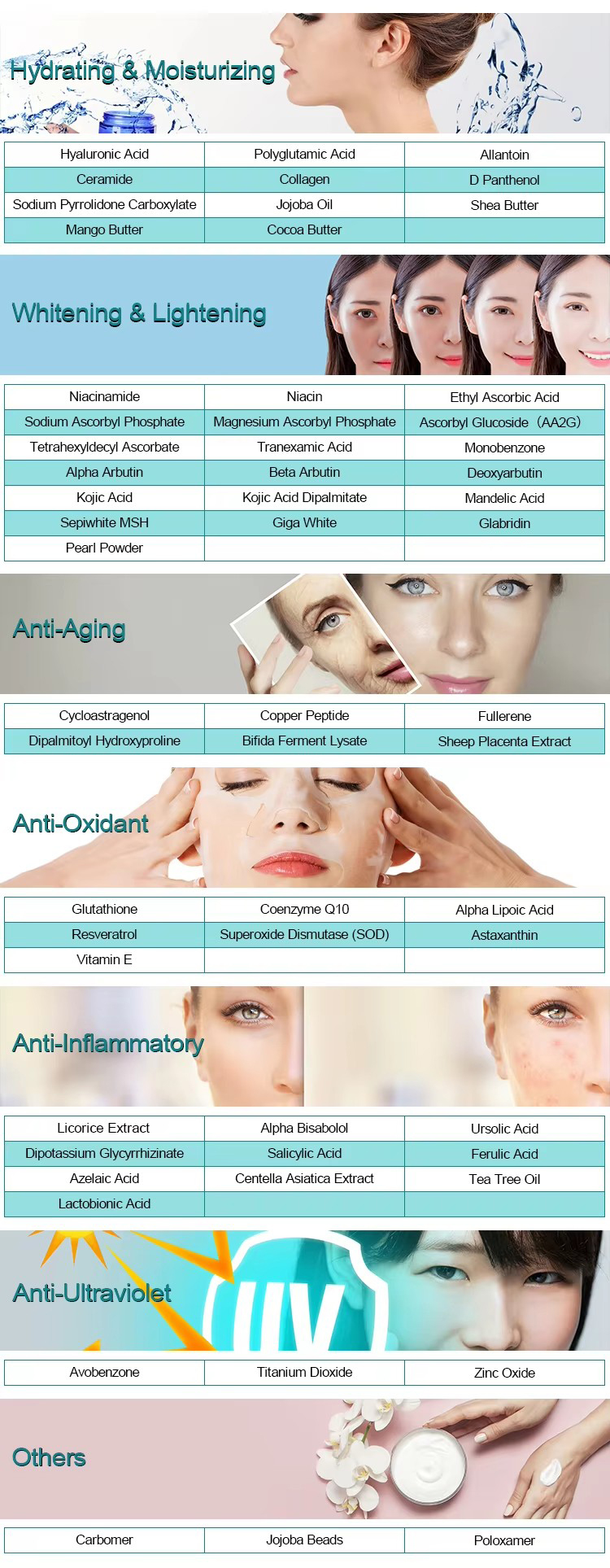
Summary:
Bifida Ferment Lysate is mainly a skin-soothing, barrier-strengthening, and anti-aging ingredient that’s gentle and microbiome-friendly. Its main drawbacks are potential sensitivity in very reactive skin, cost, and limited long-term clinical evidence.
If you want, I can also make a quick comparison of Bifida Ferment Lysate vs other common skin-repair ingredients to see where it shines the most. This can be really useful if you’re deciding which product to use. Do you want me to do that?