
Ergothioneine is an amino acid derivative with antioxidant properties that occurs naturally in some foods like mushrooms, oats, and organ meats. It has been studied for its potential health benefits, although much of the research is still in the early stages. Here are some pros and cons of ergothioneine:
Pros of Ergothioneine:
1.Antioxidant Properties:
- Ergothioneine is a potent antioxidant that can help protect cells from oxidative damage. This is important for reducing the risk of chronic diseases, such as heart disease, cancer, and neurodegenerative conditions like Alzheimer’s.
2.Anti-inflammatory Effects:
- It may have anti-inflammatory properties, which can support the immune system and help reduce inflammation-related conditions, including arthritis.
3.Cell Protection:
- Ergothioneine may help protect cells from damage caused by environmental factors, such as UV radiation and pollution, by neutralizing harmful free radicals.
4.Neuroprotective Potential:
- Some studies suggest that ergothioneine may have neuroprotective effects, which could support brain health and potentially reduce the risk of cognitive decline and neurodegenerative diseases.
5.May Enhance Longevity:
- Early research has suggested that ergothioneine could play a role in promoting longevity by supporting cellular health and combating oxidative stress over time.
6.Natural Source Availability:
- Ergothioneine is naturally found in foods like mushrooms, so it’s relatively easy to incorporate into a diet, especially for those looking to consume more plant-based foods.
Cons of Ergothioneine:
1.Limited Human Research:
- Although there are promising findings, much of the research on ergothioneine is still in animal studies or in vitro experiments. More human clinical trials are needed to confirm its effectiveness and safety.
2.Unclear Dosage and Safety:
- Since ergothioneine supplementation is still being studied, the optimal dosage and long-term safety are not fully established. Overuse could potentially have unforeseen effects.
3.Potential Interactions with Medications:
- As with many antioxidants, there could be potential interactions with certain medications or treatments, particularly those aimed at reducing oxidative stress (like chemotherapy drugs), which might affect their efficacy.
4.Availability in Foods Is Limited:
- While Ergothioneine is found in mushrooms and some organ meats, it’s not as widespread in the typical Western diet, which may make it harder for many people to get adequate amounts from food alone.
5.Possible Overhype:
- Some claims about ergothioneine, particularly regarding its longevity benefits, may be exaggerated. Until further studies provide solid evidence, its effectiveness in preventing aging and chronic diseases remains uncertain.
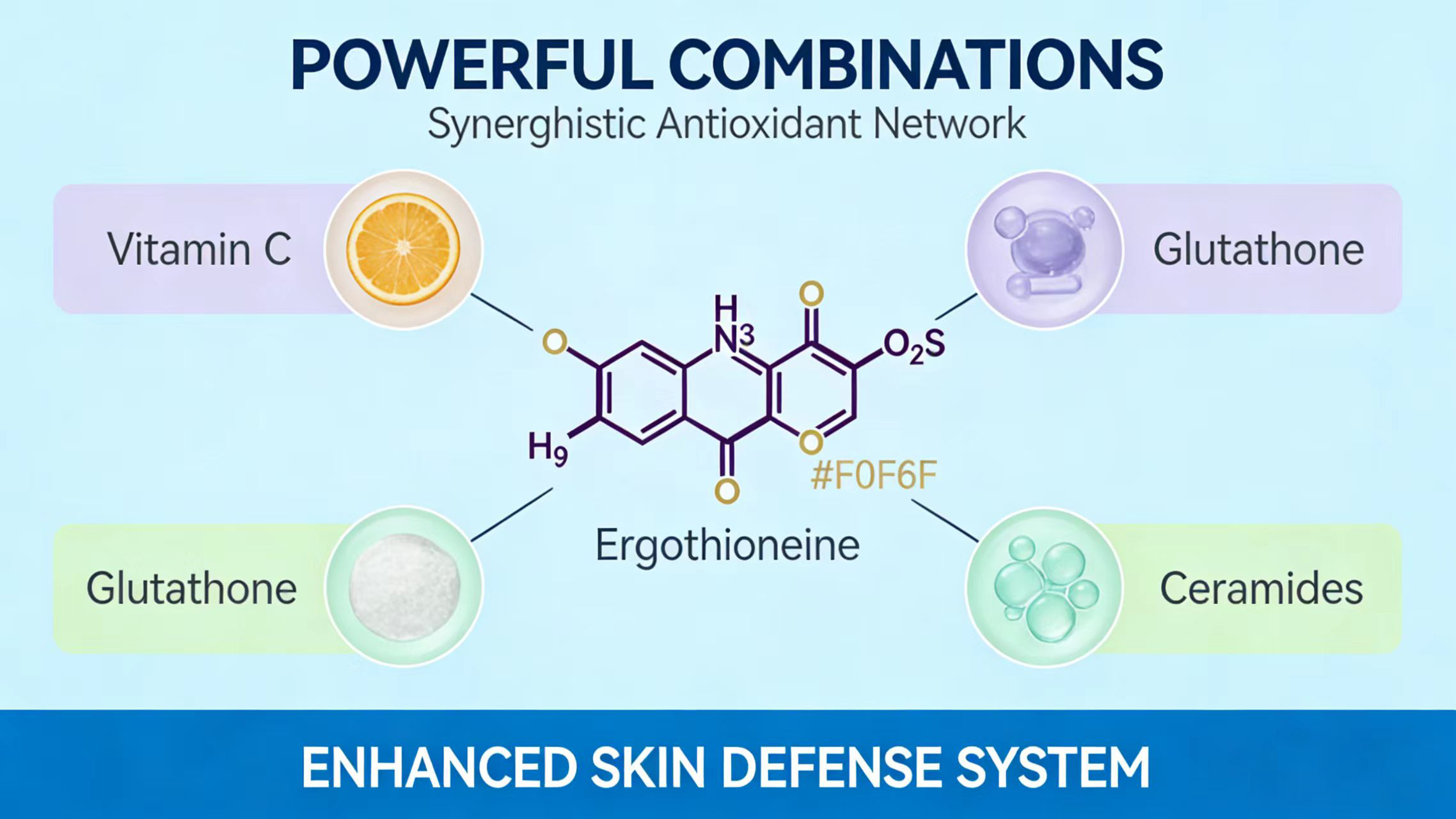
6.Not Well-Studied in Combination with Other Supplements:
- There is limited research on how ergothioneine interacts with other common dietary supplements or antioxidants, which could lead to complications when taken in combination.
Conclusion
Ergothioneine appears to have several promising health benefits, particularly due to its antioxidant and anti-inflammatory properties. However, the scientific evidence in humans is still limited, and more research is necessary to fully understand its therapeutic potential. As with any supplement, it’s important to consult a healthcare provider before adding ergothioneine to your regimen, especially if you’re on other medications.