
Benfotiamine is a fat-soluble derivative of Vitamin B1 (thiamine).
Its primary use is to raise thiamine levels inside cells more efficiently than normal thiamine.
Clinical / medical uses (where it is commonly used or studied)
| Use case | Why it’s used |
| Diabetic neuropathy | Reduces formation of AGEs → reduces nerve inflammation + nerve pain |
| Blood sugar metabolism | Supports glucose handling (particularly post-meal high glucose spikes) |
| Alcohol related thiamine deficiency | Easier way to restore thiamine status |
| Cognitive protection / brain aging (early research) | Mitochondrial support + lowers oxidative stress |
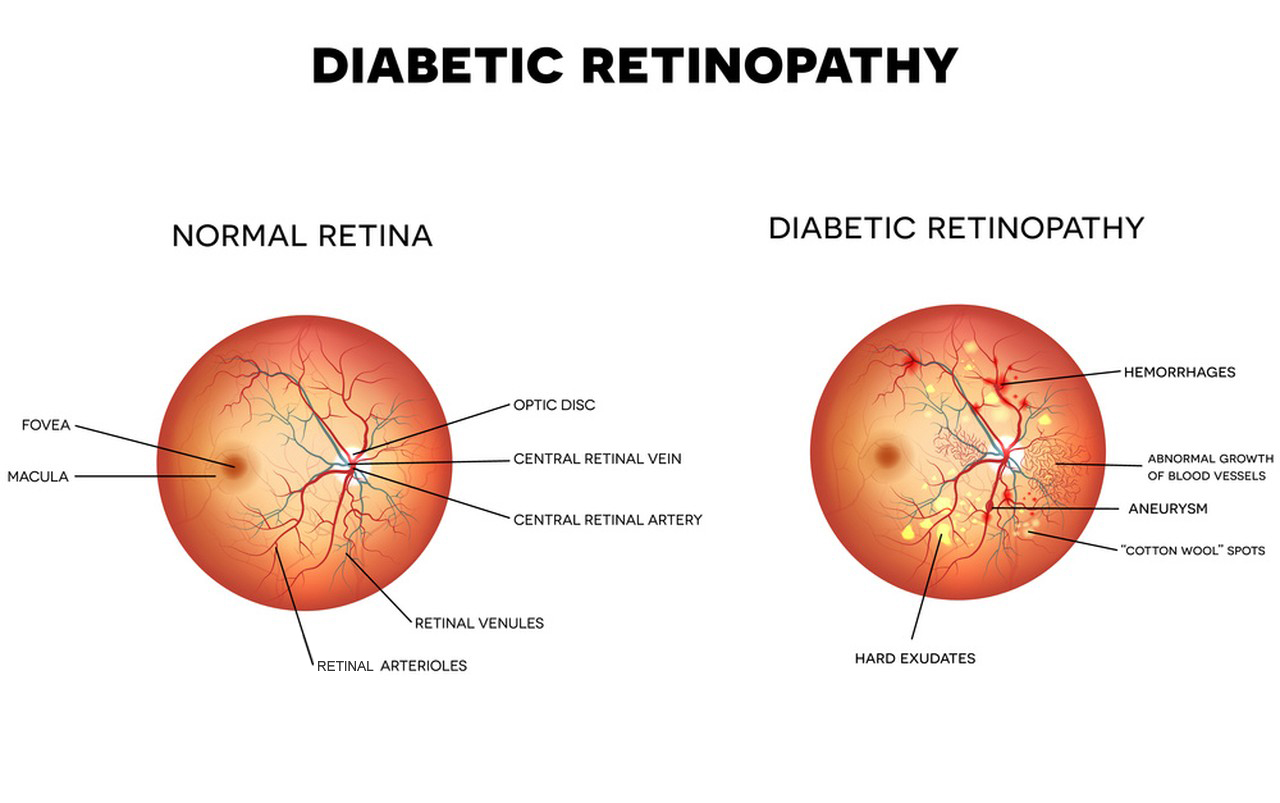
| Kidney and retina microvascular protection (research) | AGE + oxidative stress pathways again |
Benfotiamine is most established in the diabetic neuropathy context (pain, burning, numbness in feet).
how it is usually taken
| Scenario | Common Dose Ranges Seen In Studies |
| Diabetic Neuropathy / Metabolic Support | 300–600 mg/day (divided) |
| General Antioxidant / Cellular Thiamine Support | 150–300 mg/day |
Best taken with meals (fat soluble = improved absorption).
Safety / contraindications (general)
- Generally well tolerated
- Do not combine blindly with other B-complex megadoses (to avoid imbalance)
- If you are on diabetes meds → monitor glucose (benfotiamine can improve glycemic control → hypoglycemia potential if meds are not adjusted)
- Pregnancy/lactation → insufficient data → avoid unless physician supervises
key difference vs normal thiamine
| Feature | Thiamine HCl (normal B1) | Benfotiamine |
| Solubility | Water | Fat |
| Cell Uptake | Limited | High |
| Blood Thiamine Raise | Modest | Strong |
| Clinical Neuropathy Evidence | Weak | Moderate+ |
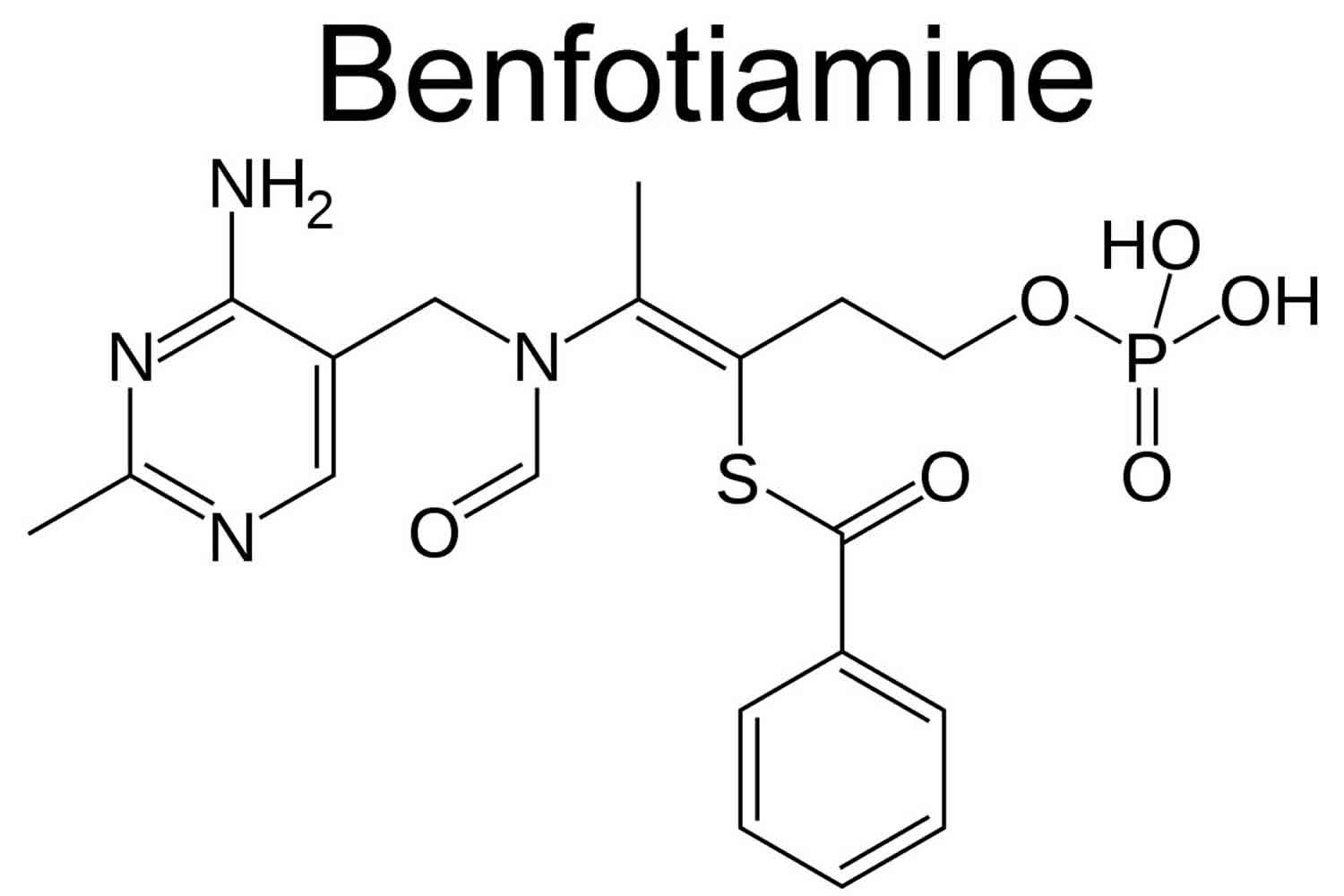
This is why benfotiamine is preferred in diabetic neuropathy trials.
If you want, I can also produce:
- “Benefits of Benfotiamine” (compact bullet list)
- “Mechanism of Benfotiamine” (biochemical pathways simplified)
- “Is benfotiamine better than ALA for neuropathy?” comparison table
Which one would you like next?