
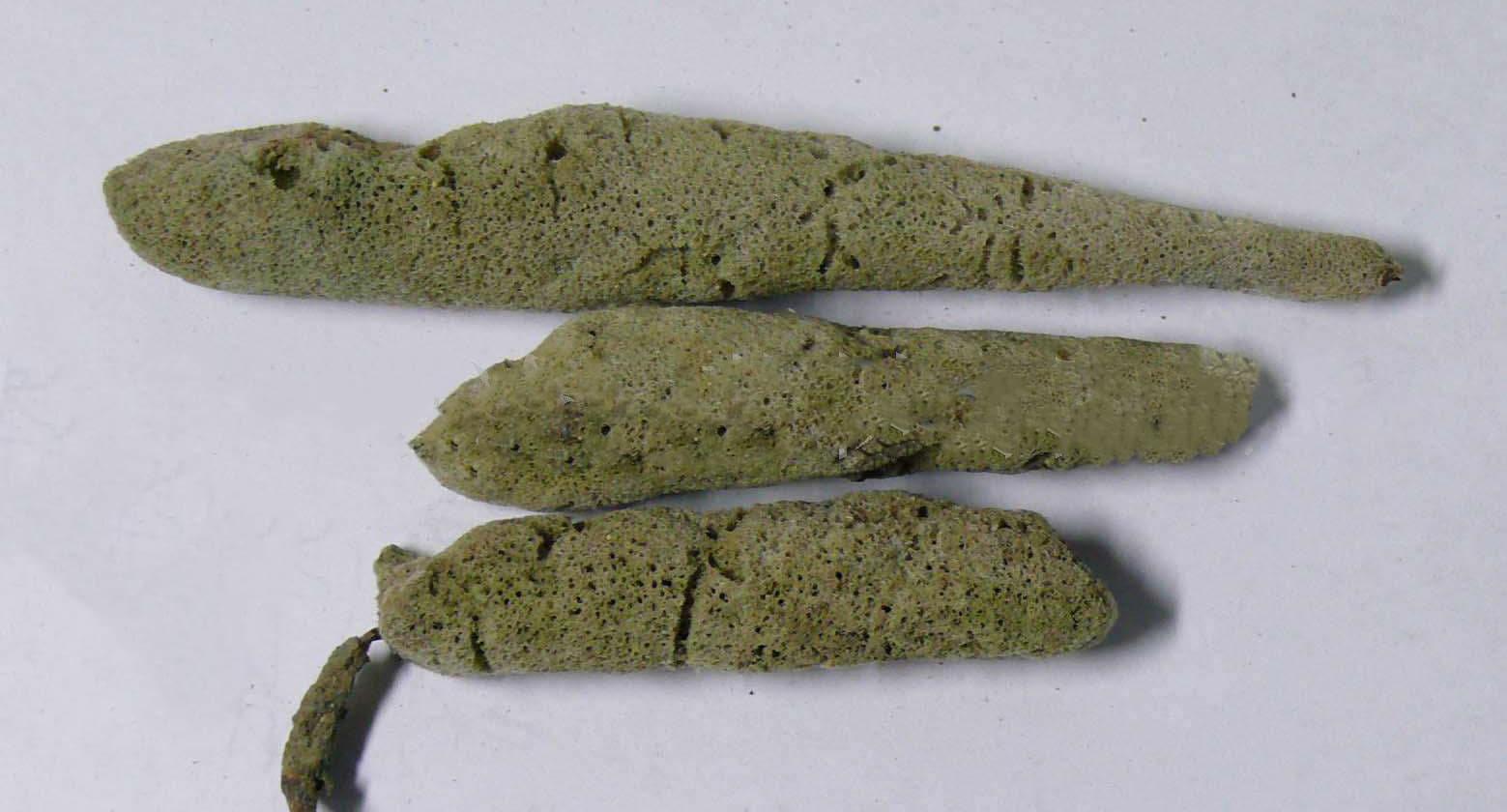
Hydrolyzed sponge, often derived from natural marine sponges, is processed into a form where its proteins and collagen are broken down into smaller, more absorbable peptides. This makes it useful in several applications, especially in skincare, cosmetics, and health products. Here are the main uses:
1. Skincare and Cosmetics
- Moisturizer: Hydrolyzed sponge is rich in collagen-like proteins, which help retain skin moisture and improve hydration.
- Anti-aging: Its peptides may support skin elasticity, reduce fine lines, and improve overall skin texture.
- Wound healing & skin repair: The bioactive compounds in hydrolyzed sponge can aid in tissue regeneration and healing minor skin injuries.
- Soothing agent: It may help calm irritated or sensitive skin due to its gentle, natural properties.
2. Haircare Products
- Strengthening and conditioning: The peptides can penetrate the hair shaft, improving strength and reducing breakage.
- Shine and smoothness: Helps improve hair texture and overall manageability.
3. Nutritional Supplements
- Protein source: Some hydrolyzed sponges are used in supplements for their easily digestible peptides and amino acids.
- Collagen support: Can support joint, bone, and skin health when ingested.
4. Medical Applications
- Tissue engineering: Hydrolyzed sponge proteins are explored in regenerative medicine for scaffolds and wound dressings.
- Drug delivery: Its biocompatibility makes it suitable for use in controlled-release drug systems.
5. Research & Biotechnology
- Used in laboratory studies for biomaterials, tissue culture scaffolds, and anti-inflammatory research due to its bioactive peptides.
In short, hydrolyzed sponge is valued for its collagen-rich, bioactive, and easily absorbable proteins, making it versatile for skin, hair, health, and biomedical applications.
Adverse effects of Hydrolyzed Sponge
Hydrolyzed sponge (often derived from marine sponges and processed for cosmetic or medical use) is generally considered safe, but like many bioactive ingredients, it may have some adverse effects or risks, especially if used inappropriately. Here’s a detailed overview:
1. Skin Reactions
- Allergic contact dermatitis: Some individuals may develop redness, itching, or rash when applied topically.
- Irritation: High concentrations or prolonged use can cause mild irritation, especially on sensitive skin.
2. Systemic Effects (Rare)
- Because hydrolyzed sponge is primarily used topically, systemic effects are rare. However, accidental ingestion or open-wound application could theoretically cause immune reactions.
3. Photosensitivity
- Some marine-derived peptides can increase sensitivity to sunlight, though this is uncommon with hydrolyzed sponge.
4. Product-Specific Issues
- If incorporated into cosmetic or medical products with preservatives or other additives, some adverse reactions may stem from these additives rather than the sponge extract itself.
5. Contamination Risks
- Marine-derived products could carry a risk of microbial contamination if not properly processed.
Precautions:
- Patch test before full use.
- Avoid use on broken or irritated skin.
- Discontinue if redness, itching, or swelling occurs.
If you want, I can also summarize documented clinical cases or studies on hydrolyzed sponge adverse effects, so you get a more evidence-based view. Do you want me to do that?