
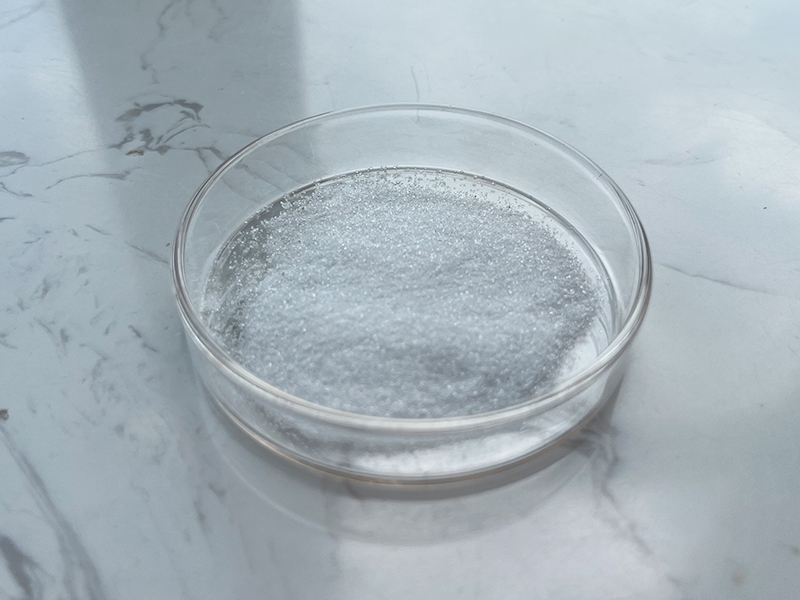
Ergothioneine is a naturally occurring amino acid and antioxidant, often abbreviated as ET or EGT. It’s not produced by the human body, but it’s found in certain foods—especially mushrooms, and to a lesser extent in organ meats, beans, and grains.
Key Facts:
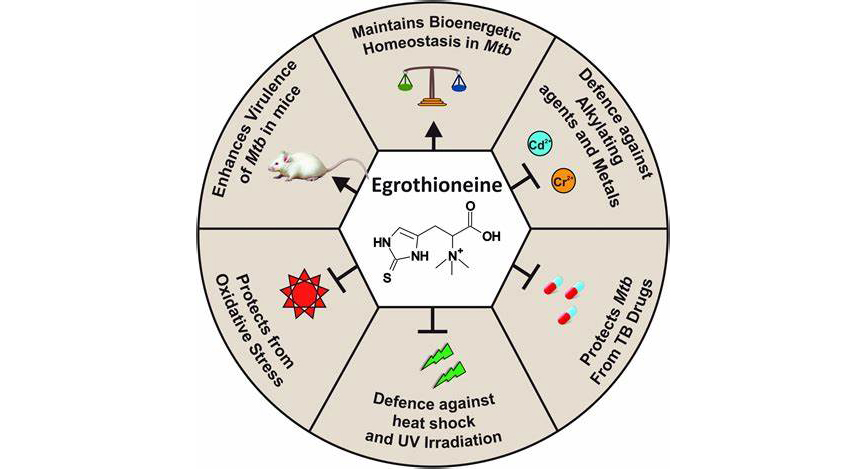
- Chemical name: 2-mercaptohistidine trimethylbetaine
- Category: It’s a thiol compound (sulfur-containing) and a derivative of histidine.
- Discovered: In 1909 from Ergot fungus—hence the name Ergothioneine.
Key Features:
- Found in: Mushrooms (especially oyster, shiitake, and king oyster), some bacteria, and certain plant-based foods (via symbiotic fungi).
- Not made by humans or animals: We get it through diet.
- Special transporter (ETT or OCTN1): Our bodies have a unique transport protein specifically to absorb and retain Ergothioneine—suggesting it’s biologically important.
What Does It Do?
1. Antioxidant properties
Ergothioneine helps neutralize free radicals and protect cells from oxidative stress, which contributes to aging and various diseases.
2. Cytoprotective role
It accumulates in areas of the body exposed to high levels of stress and inflammation (like the liver, kidneys, eyes, and brain), possibly acting as a cell protector.
3. Possible anti-aging effects
Some researchers have called it a “longevity vitamin” (though it’s not officially recognized as a vitamin yet), due to its protective effects in tissues over time.
4. Transporter protein (OCTN1)
Humans have a specialized transporter (called OCTN1) for Ergothioneine, which suggests it plays a significant biological role even though we don’t make it ourselves.
Health & Potential Benefits:
- Antioxidant power: Protects cells from oxidative stress and inflammation.
- Cellular protection: May guard against DNA damage, mitochondrial dysfunction, and aging-related diseases.
- Neuroprotection: Studies suggest it could help prevent or slow cognitive decline and neurodegeneration (like Alzheimer’s).
- Anti-inflammatory properties: Being explored for roles in chronic disease prevention.
In food:
- Mushrooms are by far the richest source.
- Trace amounts in beans, oats, and liver (animals get it from plants too).
Research status:
- Still being studied for therapeutic applications.
- No official daily requirement or FDA-approved health claims yet.
Would you like to know more about its potential in supplements or any specific health area?