
Dimethylmethoxy Chromanol belongs to the category of antioxidant active ingredients in skincare.
Explanation
- Primary classification: High-performance antioxidant
- Common trade name: Lipochroman®-6
- Functional role: Free-radical scavenger and oxidative stress protector
Why it’s classified as an antioxidant
Dimethylmethoxy Chromanol is a chromanol derivative structurally related to vitamin E (tocopherols), but it is more advanced in performance. It can neutralize multiple types of reactive oxygen species (ROS), including:
- Free radicals generated by UV radiation
- Pollution-induced oxidative species
- Nitrogen-based radicals (RNS), which many antioxidants cannot effectively neutralize
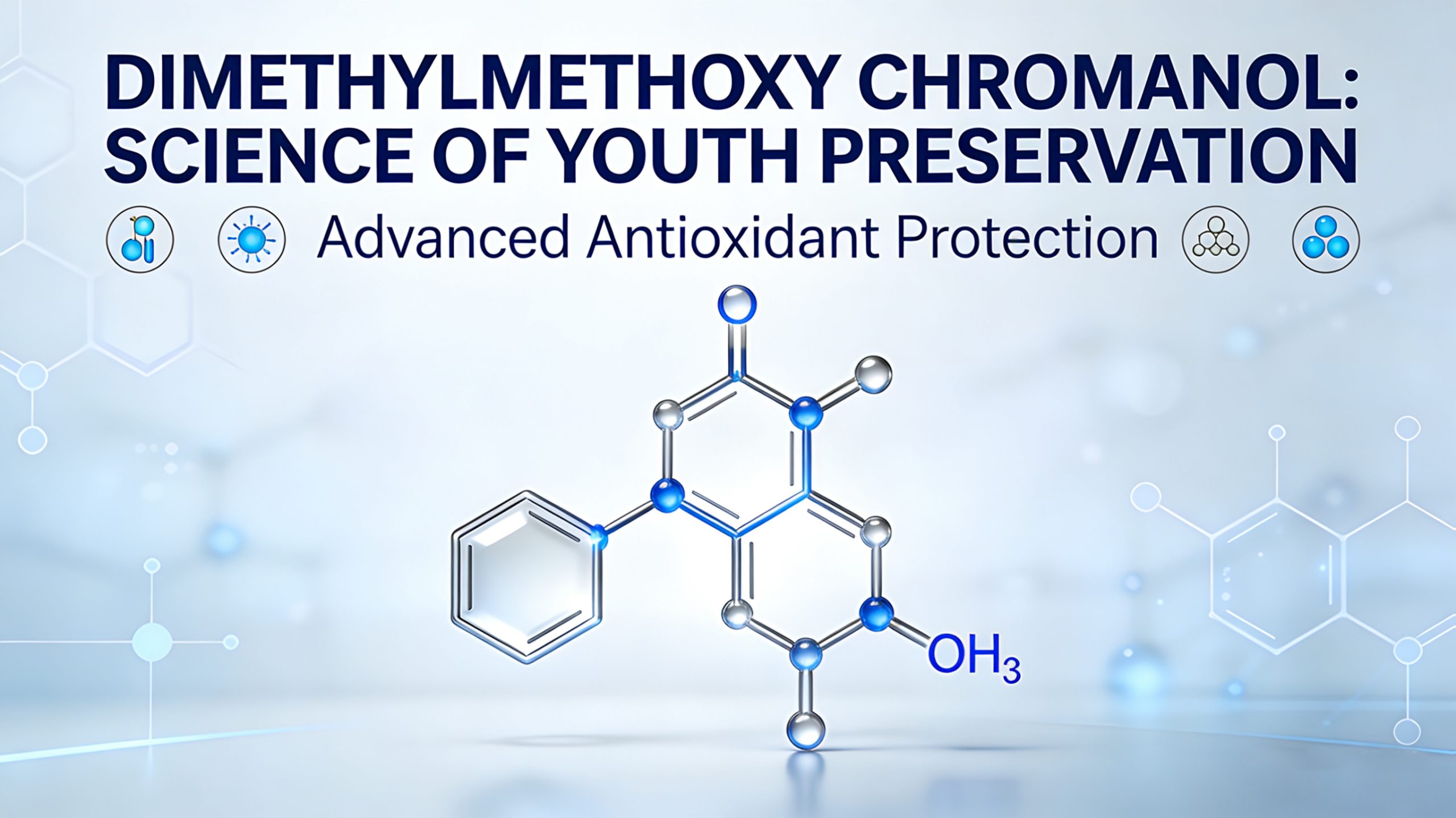
Key functional class
Primary category: Antioxidant
Secondary functions:
- Anti-aging (prevents oxidative skin damage)
- Anti-pollution (neutralizes environmental free radicals)
- Skin protection / preventative care
How it works
- Neutralizes ROS, RNS, and RCS (oxygen-, nitrogen-, and carbon-based free radicals)
- Helps protect collagen, elastin, and cell membranes
- Complements vitamins C, E, and other antioxidants in formulations
Typical cosmetic positioning
- Anti-aging serums and creams
- Urban defense / anti-pollution products
- Preventative skincare (early aging, oxidative stress protection)
Functional positioning in formulations
Although it has secondary benefits, its core identity is:
- Antioxidant active
It is often positioned in formulas as:
- Anti-aging active (via oxidative damage prevention)
- Photoprotection support ingredient (not a UV filter)
- Skin defense / environmental protection ingredient
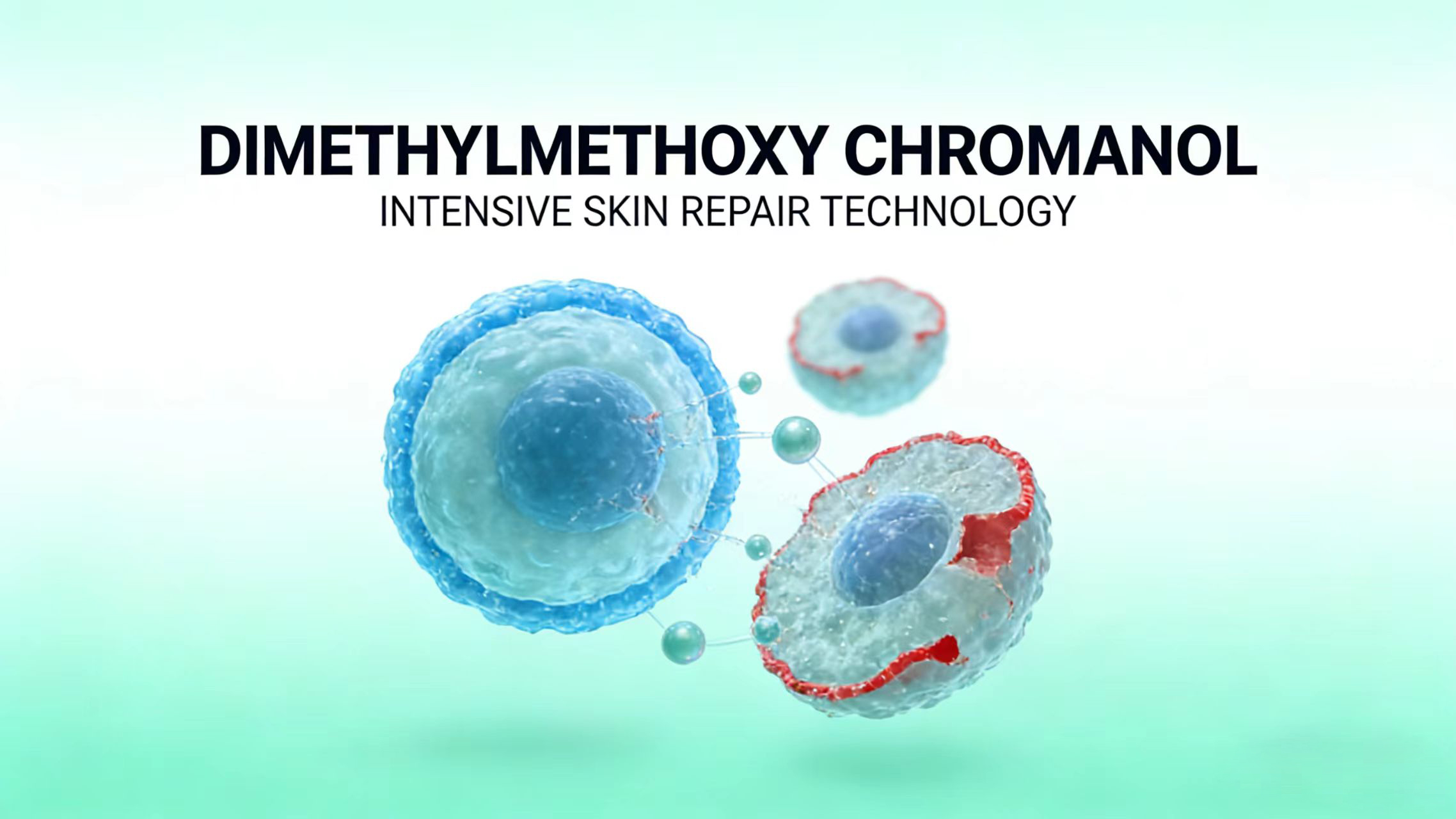
Typical comparison
| Ingredient | Category |
| Vitamin C | Antioxidant |
| Vitamin E | Antioxidant |
| Ferulic Acid | Antioxidant |
| Dimethylmethoxy Chromanol | Advanced Antioxidant |
If you’d like, I can also explain:
- How it differs from vitamin E
- Its mechanism of action on skin
- Typical use levels in cosmetics
- Formulation compatibility (oil/water systems)
Just let me know.