
Benfotiamine is one of the most effective yet overlooked treatments for preventing the debilitating complications of diabetes. Benfotiamine is a chemical sibling of the essential nutrient thiamine (vitamin B1).
Materials of Benfotiamine
Chemical and Reagents
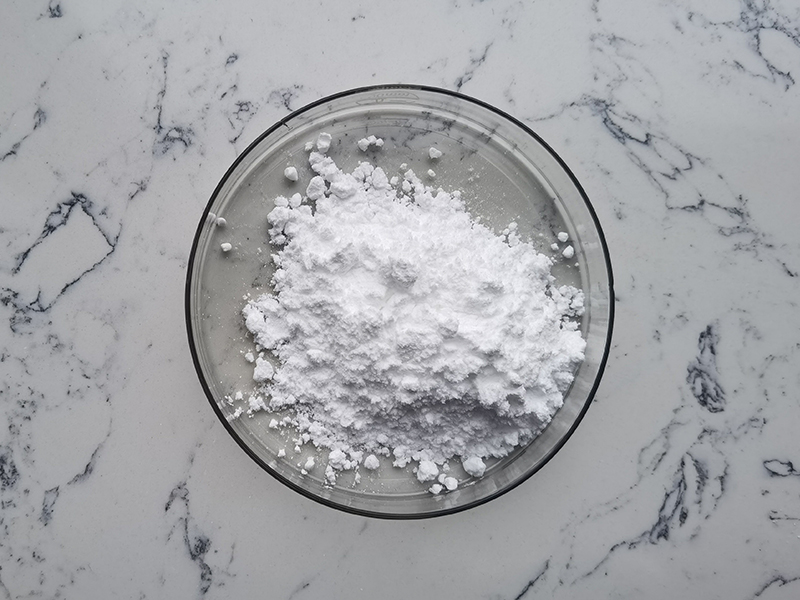
- Benfotiamine (S-benzoylthiamine O-monophosphate) – usually obtained as a pure powder or crystalline form.
- Solvents: Ethanol, methanol, water, dimethyl sulfoxide (DMSO) – used for dissolving or preparing solutions for experiments.
- Buffer solutions: Phosphate-buffered saline (PBS), Tris-HCl, etc., for in vitro studies.
- Analytical reagents: For assays like HPLC, UV-spectrophotometry, or mass spectrometry (e.g., acetonitrile, trifluoroacetic acid).
- Enzymes or cofactors: If studying metabolic pathways, e.g., transketolase, pyruvate dehydrogenase.
Biological Materials (for pharmacological studies)
- Cell lines: Human endothelial cells, neuronal cells, or diabetic model cells.
- Animal models: Rats, mice, or diabetic models (e.g., streptozotocin-induced diabetic rats).
- Culture media and supplements: DMEM, FBS, antibiotics for cell culture studies.
Equipment
- Analytical balances
- HPLC, LC-MS, or GC-MS systems
- UV–Vis spectrophotometer
- Centrifuges, incubators, water baths
- Microplate readers (for in vitro assays)
Methods of Benfotiamine
A. Synthesis of Benfotiamine
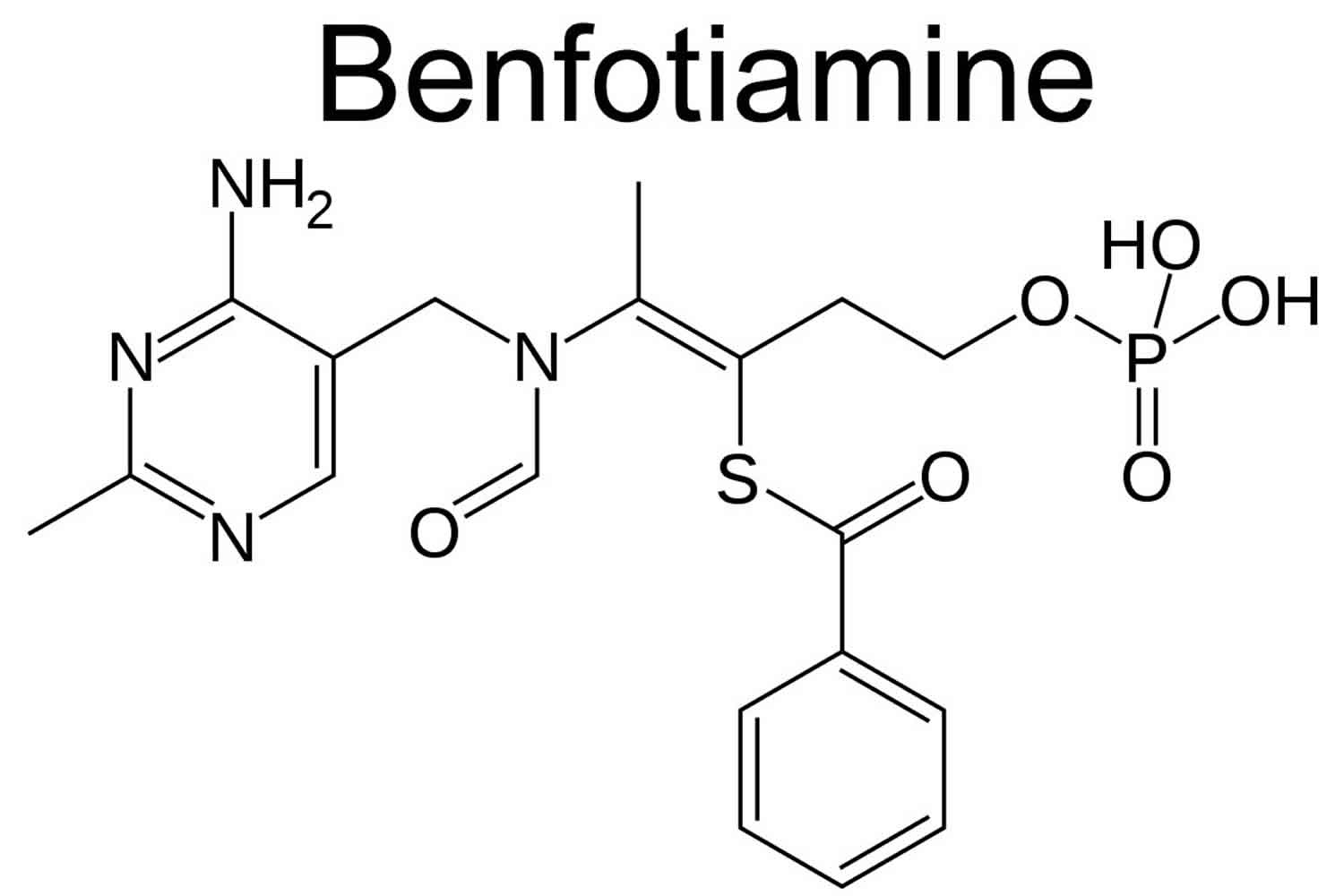
Benfotiamine is a lipid-soluble derivative of thiamine (vitamin B1). Its synthesis involves:
- Activation of thiamine with benzoyl chloride to form S-benzoylthiamine.
- Phosphorylation using a phosphate donor (e.g., POCl₃ or phosphoric acid derivatives) to form Benfotiamine.
- Purification by recrystallization or column chromatography.
- Characterization using NMR, FTIR, and mass spectrometry.
B. Preparation for Experimental Use
- Stock solution: Dissolve Benfotiamine in ethanol, DMSO, or distilled water at a known concentration (e.g., 10–50 mM).
- Dilution for assays: Prepare working solutions in culture media or buffer just before use.
- Stability consideration: Benfotiamine is more stable in dry form and can degrade in aqueous solution; prepare fresh solutions.
C. Experimental Methods
1. In Vitro Studies
- Cell viability and cytotoxicity: MTT, XTT, or LDH assays on cultured cells.
- Oxidative stress assays: Measure reactive oxygen species (ROS), glutathione levels, or lipid peroxidation.
- Enzyme activity: Transketolase activity to see Benfotiamine’s effect on glucose metabolism pathways.
2. In Vivo Studies
- Animal treatment: Administer orally or via injection, with doses typically 50–200 mg/kg/day in rats or mice.
- Biochemical analysis: Blood glucose, lipid profile, oxidative stress markers, AGEs (advanced glycation end-products).
- Histopathology: Tissue examination for neuroprotection, kidney, or retinal studies.

3. Analytical Methods
- HPLC or LC-MS: Quantify Benfotiamine in plasma, tissues, or formulations.
- UV–Vis spectrophotometry: Sometimes used for preliminary quantification.
- Stability testing: Accelerated degradation studies under heat, light, and pH variations.
If you want, I can create a full “Materials and Methods” section in proper research paper format for Benfotiamine studies—ready to paste into a manuscript. This would cover synthesis, in vitro, and in vivo protocols comprehensively.
Do you want me to do that?