
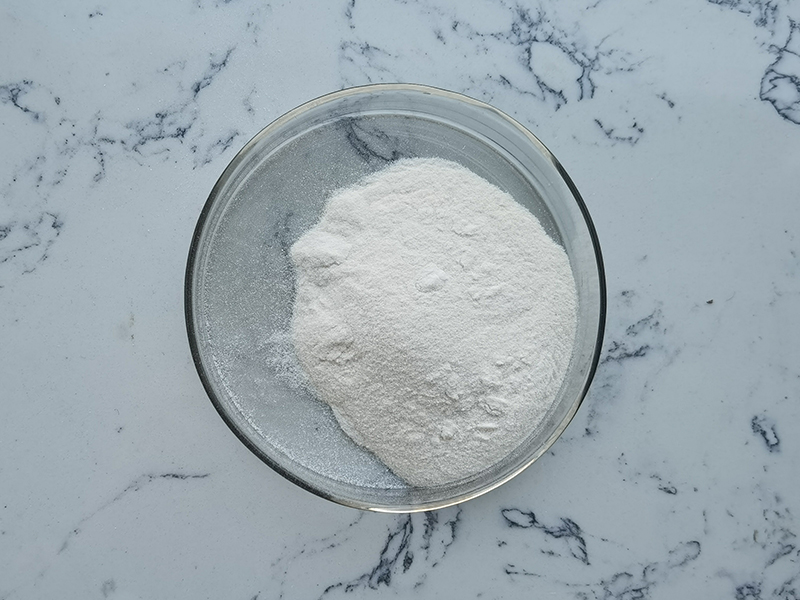
Citrus pectin is a natural polysaccharide (a type of complex carbohydrate) extracted from the peel and pulp of citrus fruits like oranges, lemons, and grapefruits. It is most commonly known for its gelling properties, which make it a key ingredient in jams, jellies, and other food products. But beyond food, it also has applications in health and medicine. Here’s a detailed breakdown:
Chemical and Physical Properties
- Composition: Made of long chains of galacturonic acid units, sometimes with neutral sugar side chains.
- Solubility: Soluble in water, forms gels under certain conditions (especially with sugar and acid).
- Source: Primarily from citrus fruit peels; can be modified to produce “modified citrus pectin” (MCP) for specific health applications.
Uses
1. Food Industry:
- Thickening agent, stabilizer, and gelling agent in jams, jellies, yogurts, desserts, and beverages.
2. Health & Supplements:
- Modified Citrus Pectin (MCP): Smaller molecular size for better absorption in the body.
- Acts as a fiber supplement, supporting digestive health.
- May bind heavy metals in the gut, aiding in detoxification.
- Some studies suggest potential benefits in immune support and cancer research, though evidence is still emerging.
3. Other Uses:
Pharmaceutical and cosmetic formulations as a stabilizer or texture enhancer.
Key Health Aspects
- Digestive Health: Being a soluble fiber, it can improve bowel regularity and act as a prebiotic, feeding beneficial gut bacteria.
- Detoxification: MCP may help chelate (bind) metals like lead or mercury.
- Cholesterol & Blood Sugar: Soluble fiber can slightly reduce LDL cholesterol and improve glycemic control.
Difference Between Regular and Modified Citrus Pectin
- Regular citrus pectin: Mainly for food use; too large to be absorbed in the bloodstream.
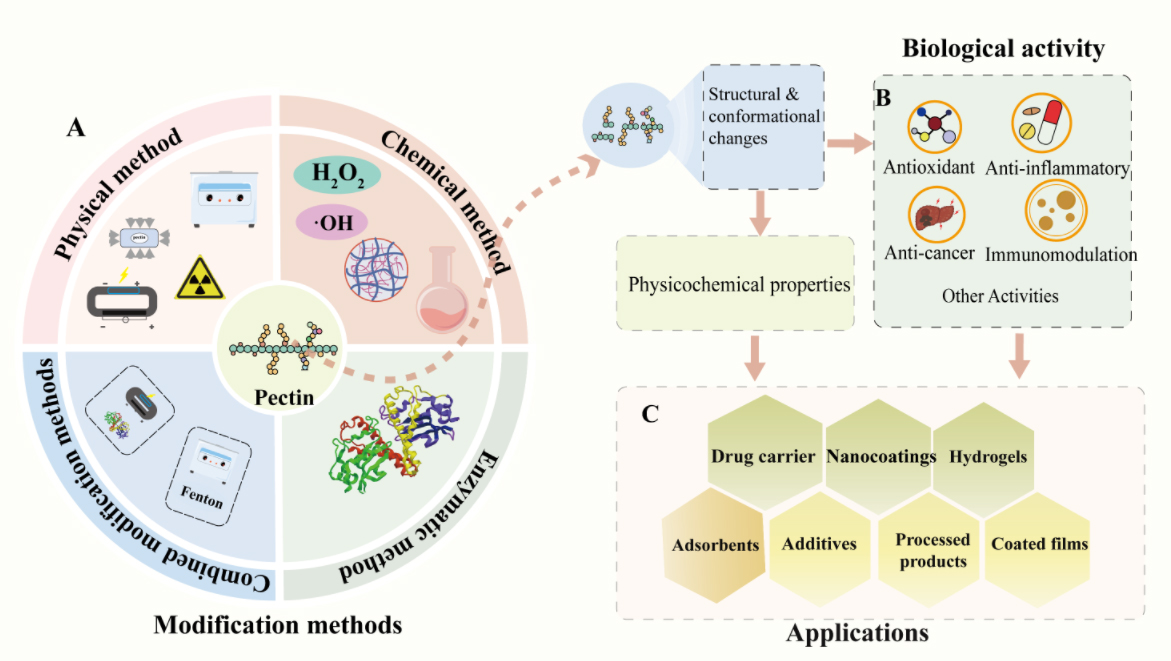
- Modified citrus pectin (MCP): Enzymatically or chemically broken down into smaller fragments, allowing absorption into the blood for systemic effects.
If you want, I can also make a quick comparison chart of citrus pectin vs other types of pectin to make it clearer why citrus pectin is special. Do you want me to do that?