
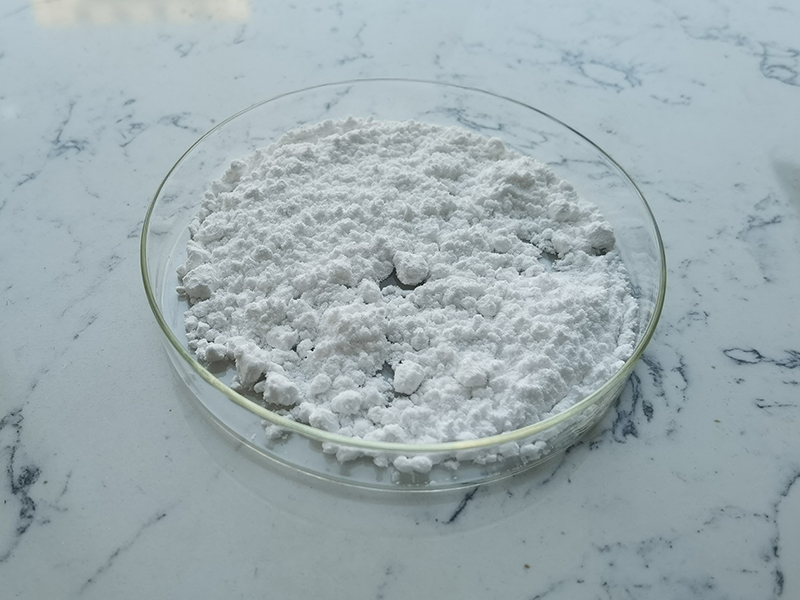
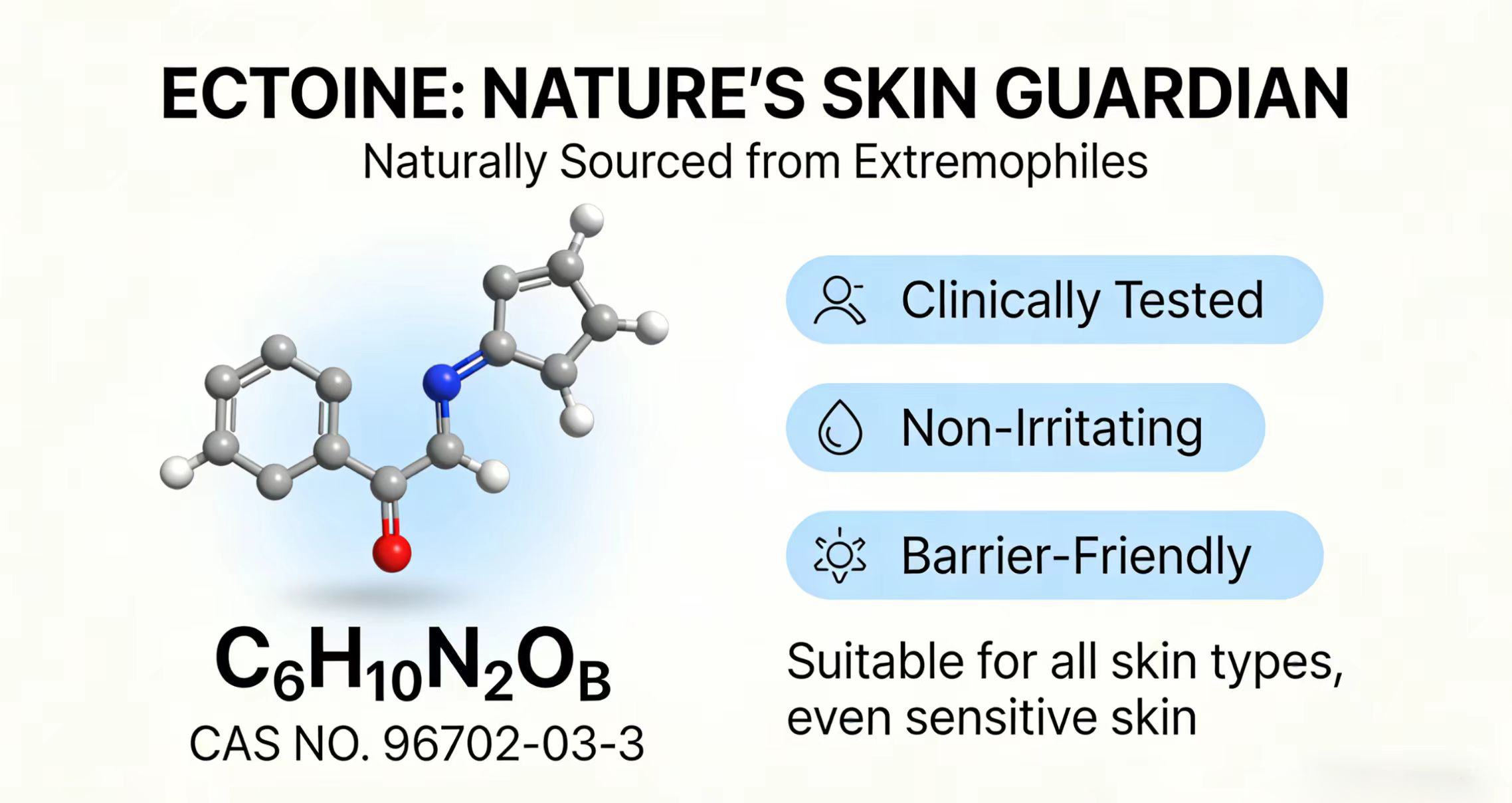
Ectoine is a naturally occurring small molecule known for its protective and stabilizing properties, mainly used in skincare and medical treatments due to its ability to protect cells from stressors such as dehydration, heat, UV radiation, and oxidative stress. It is commonly found in various dermatological products like moisturizers, sunscreens, and creams.
Effectiveness of Ectoine
Ectoine works primarily by stabilizing cell membranes and proteins under stress, which helps protect skin cells from damage caused by environmental factors. It has several benefits, particularly in skincare:
- Skin Hydration and Protection: Ectoine is known for its ability to lock moisture into the skin, preventing dryness and irritation. It helps to maintain skin hydration and is commonly used in products for sensitive skin.
- Anti-inflammatory Effects: It has been shown to reduce inflammation and redness in the skin, making it useful in treating conditions like eczema, psoriasis, and rosacea.
- Antioxidant Properties: Ectoine can help neutralize free radicals and reduce oxidative stress, which can contribute to premature aging and other skin damage.
- UV Protection: Some studies suggest that ectoine may provide additional protection from UV-induced skin damage, which is a key factor in preventing skin aging and some forms of skin cancer.
- Wound Healing: Ectoine can accelerate wound healing and tissue regeneration, making it beneficial for minor burns, cuts, and skin irritations.
Side Effects of Ectoine
Ectoine is generally considered safe and well-tolerated. It has a low risk of causing side effects, especially when used in cosmetic or pharmaceutical formulations. However, some potential side effects might include:
- Skin Sensitivity: While rare, some people may experience mild irritation or allergic reactions to ectoine, particularly if they have sensitive skin or are allergic to similar compounds.
- Contact Dermatitis: In very rare cases, prolonged use of ectoine-containing products could trigger contact dermatitis, leading to redness, itching, or swelling.
Special Considerations of Ectoine
- Pregnancy and Breastfeeding: There is no specific evidence to suggest that ectoine poses a risk during pregnancy or breastfeeding. However, as with any active ingredient, it is recommended to consult a healthcare provider before using products containing ectoine during pregnancy or breastfeeding.
- Sensitive Skin: Ectoine is often used for sensitive skin types due to its anti-inflammatory and hydrating properties. However, if you have a known allergy to any ingredients in the product, it’s important to patch test before full application.
- Interaction with Other Products: Ectoine is generally safe to use with most other skincare ingredients. However, it’s advisable to avoid mixing it with products containing strong exfoliants (like AHAs or BHAs) if you have sensitive skin to prevent irritation.
In conclusion, ectoine is a relatively safe and effective ingredient, especially for hydrating, soothing, and protecting the skin, making it a popular choice in skincare formulations for sensitive or damaged skin.