
Ergothioneine is a naturally occurring amino acid and antioxidant found in various organisms, including fungi, plants, and animals. Here’s a quick rundown of the basic information:
Chemical Info
- Chemical Name: (S)-2-Thio-L-histidine betaine
- Molecular Formula: C₉H₁₅N₃O₂S
- Molecular Weight: ~229.3 g/mol
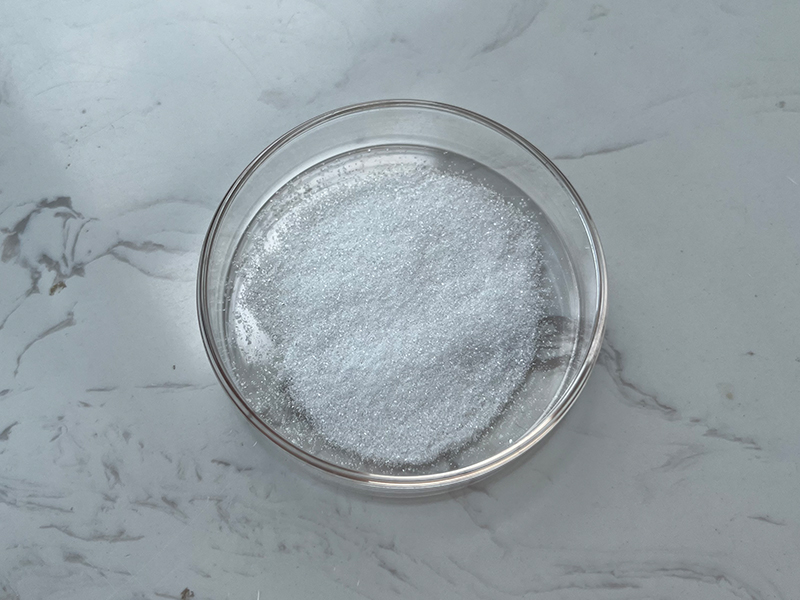
Natural Sources
Ergothioneine is synthesized by:
- Fungi (especially mushrooms like shiitake, king oyster, and porcini)
- Mycobacteria and actinomycetes
Humans and animals cannot synthesize it, but they obtain it from their diet—primarily through:
- Mushrooms (richest source)
- Black and red beans
- Oats
- Liver and kidney meats
Physiological Role
- Ergothioneine is transported into cells via a specific transporter called OCTN1 (Organic Cation Transporter Novel Type 1).
- Found in high concentrations in tissues prone to oxidative stress (e.g., liver, kidneys, eyes, brain).
Health Benefits (Studied/Proposed)
- Antioxidant: Protects cells from oxidative damage.
- Anti-inflammatory: May help regulate immune response.
- Cytoprotective: May protect cells from toxins and aging-related damage.
- Neuroprotective: Studied for potential roles in slowing neurodegenerative diseases like Alzheimer’s and Parkinson’s.
- Note: While promising, many benefits are still under clinical investigation and not fully established.
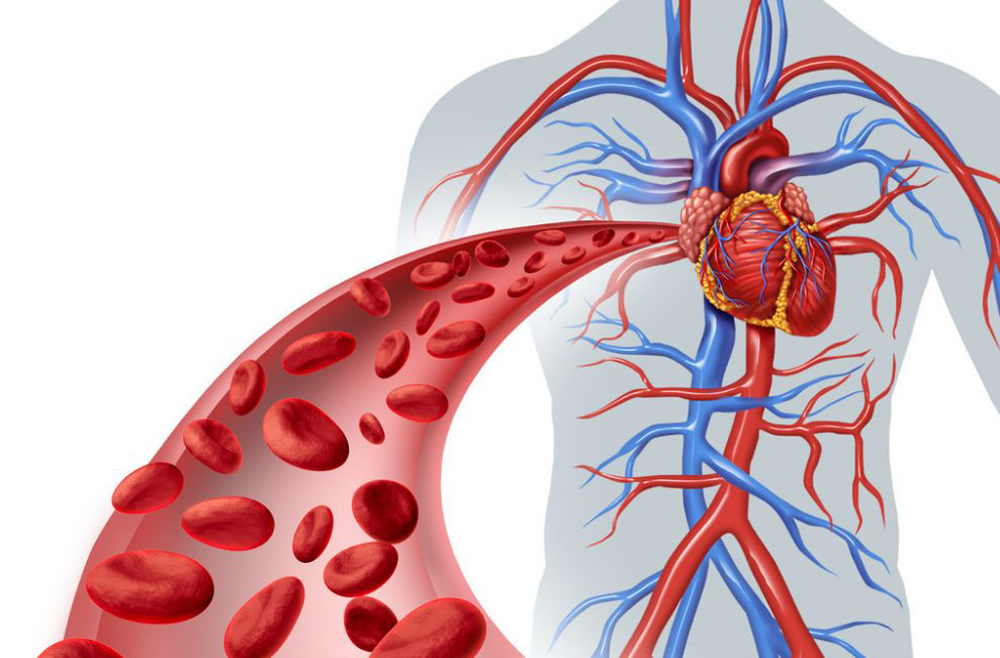
Supplement Form
- Available as dietary supplements, often marketed for anti-aging, brain health, and immune support.
- Generally considered safe, with no known significant side effects at normal doses.
Want to dive into its biochemistry, mechanism of action, or recent research?