
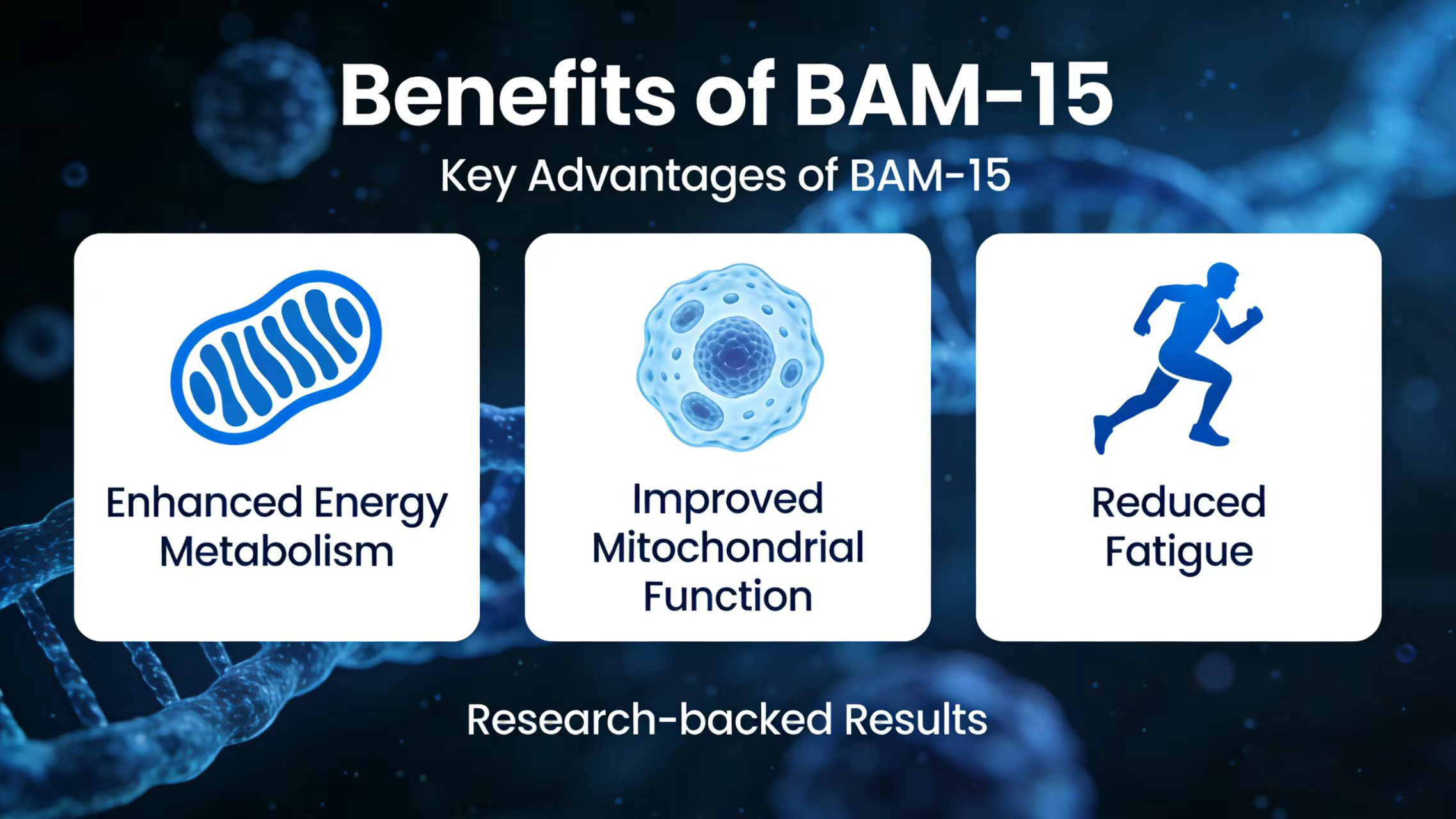
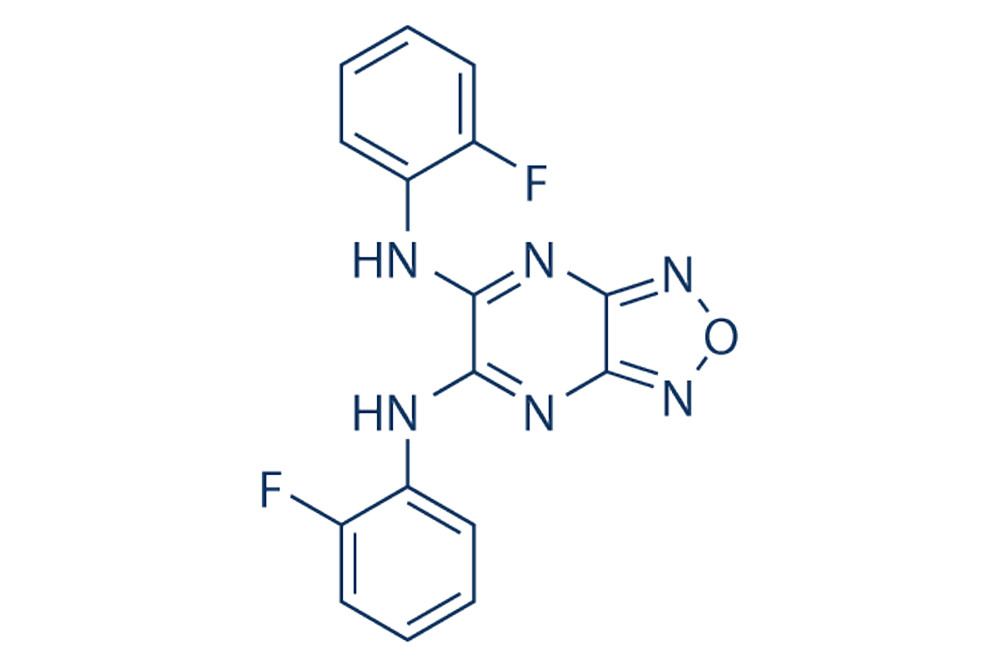
BAM-15 is an experimental small-molecule compound studied mainly in metabolic research. It acts as a mitochondrial uncoupler, meaning it disrupts the coupling between electron transport and ATP synthesis in mitochondria. This causes cells to burn more fuel and release energy as heat instead of storing it as ATP.
Below are the main potential benefits observed in scientific studies (mostly animal and preclinical research):
1. Increased Energy Expenditure
BAM-15 increases mitochondrial proton leak, which makes cells burn more calories to maintain energy balance.
Potential outcomes observed in studies:
- Higher metabolic rate
- Increased fat oxidation
- Reduced weight gain in animal models
2. Weight Loss and Reduced Fat Mass
In obese mouse studies, BAM-15 significantly reduced body fat without decreasing food intake.
Reported effects:
- Reduced adipose tissue
- Lower body weight
- Improved body composition
This differs from many weight-loss drugs that suppress appetite.
3. Improved Insulin Sensitivity
BAM-15 may improve glucose metabolism and reduce insulin resistance.
Potential metabolic improvements:
- Lower blood glucose
- Better insulin signaling
- Reduced risk markers for metabolic syndrome
This suggests possible future relevance for conditions like Type 2 Diabetes.
4. Reduced Liver Fat (Anti-Fatty Liver Effect)
BAM-15 has shown strong effects in reducing liver lipid accumulation.
Potential benefits:
- Reduced hepatic triglycerides
- Protection against Nonalcoholic Fatty Liver Disease
- Improved liver metabolic function
5. Lower Oxidative Stress
Mild mitochondrial uncoupling can reduce mitochondrial membrane potential, which may decrease reactive oxygen species (ROS) production.
Possible benefits:
- Reduced oxidative damage
- Improved mitochondrial health
- Protection against metabolic stress
6. Potential Cardiometabolic Benefits
By improving metabolism and reducing fat accumulation, BAM-15 could theoretically lower risk factors associated with:
- Obesity
- Metabolic syndrome
- Cardiovascular disease
However, these benefits are still under investigation.
Important note:
BAM-15 is not approved for medical use and remains a research compound. Most benefits have been observed only in animal studies, and human safety and efficacy are not yet established.
Summary
| Potential | Benefit Mechanism |
| Increased calorie burning | Mitochondrial uncoupling |
| Fat loss | Increased energy expenditure |
| Improved insulin sensitivity | Better glucose metabolism |
| Reduced liver fat | Enhanced lipid oxidation |
| Lower oxidative stress | Reduced ROS production |
If you’d like, I can also explain:
- How BAM-15 works at the mitochondrial level
- Why it is considered safer than 2,4‑Dinitrophenol
- Its current research status and future drug potential.