
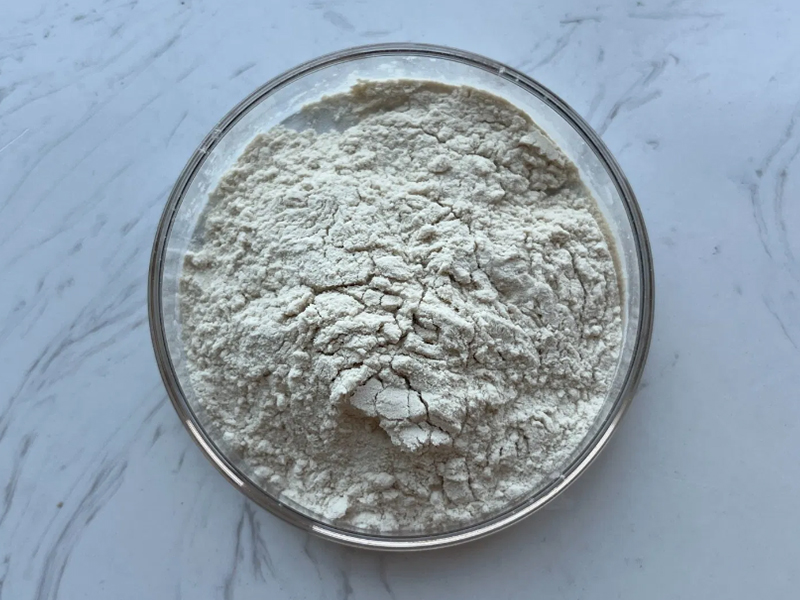
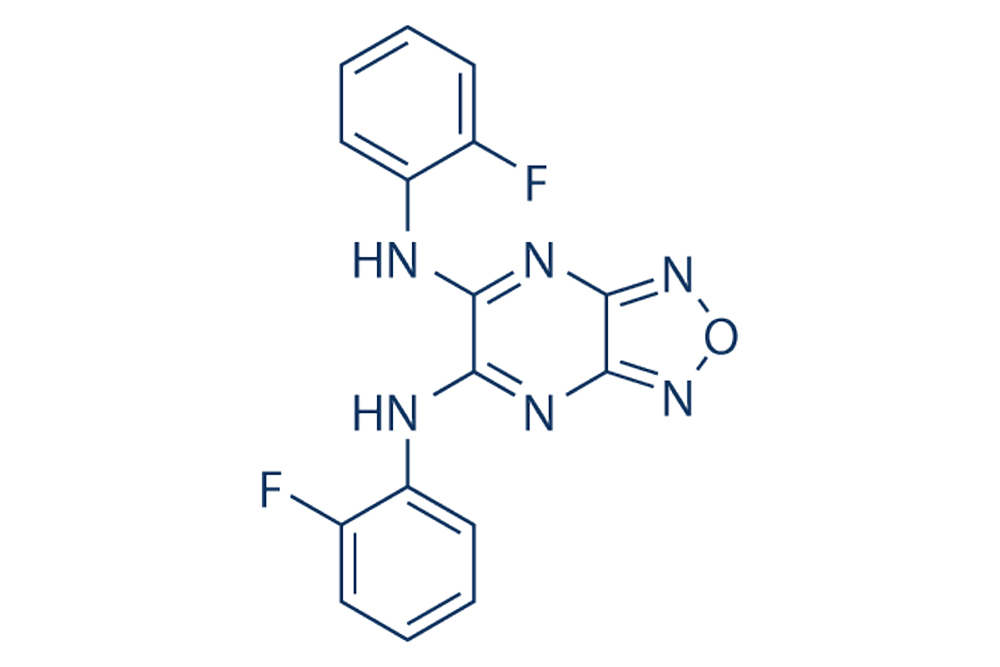
BAM-15 is an experimental small molecule best known as a mitochondrial uncoupler—a compound that alters how cells produce energy. Here is a comprehensive, research-based overview of BAM-15 covering its chemistry, mechanism, pharmacology, applications, and safety profile.
Comprehensive Study of BAM-15
1. Basic Overview
BAM-15 is a synthetic mitochondrial uncoupler (protonophore) designed to increase energy expenditure by disrupting ATP production efficiency.
- Class: Small-molecule mitochondrial uncoupler
- Key feature: Dissipates proton gradient across the mitochondrial inner membrane
- Primary effect: Converts stored energy → heat instead of ATP
It is considered a “next-generation uncoupler” due to improved safety compared with older agents like DNP.
2. Mechanism of Action
(1)Core mechanism: mitochondrial uncoupling
BAM-15 transports protons across the mitochondrial membrane, bypassing ATP synthase:
- Collapse of mitochondrial membrane potential (ΔΨm)
- Reduced ATP synthesis
- Increased oxygen consumption and substrate oxidation
This leads to:
- Increased energy expenditure
- Increased fat and glucose utilization
Evidence shows BAM-15:
- Depolarizes mitochondria
- Increases mitochondrial respiration
- Elevates ROS production
(2)Secondary signaling pathways
AMPK activation
BAM-15 strongly activates AMP-activated protein kinase (AMPK)
AMPK promotes:
- Fat oxidation
- Glucose uptake
- Metabolic adaptation
It may even be more potent than metformin in activating AMPK
(3)Oxidative stress component
Increased electron transport → ROS generation
This contributes to:
- Cellular stress
- Apoptosis (in cancer cells)
- Tissue damage (in high or toxic exposure)
Example:
- Induces ROS and apoptosis in leukemia cells
3. Pharmacological Effects
(1)Metabolic & Anti-Obesity Effects
Preclinical studies show:
- Increased energy expenditure
- Reduced fat accumulation
- Improved glucose homeostasis
- Reduced adipocyte size
- Prevents diet-induced obesity in mice
- Improves insulin sensitivity
- Works without raising body temperature significantly
(2)Cardiovascular Effects
- Relaxes blood vessels (vasodilation)
- Inhibits arterial constriction
- Activates AMPK in vascular smooth muscle
Potential benefit:
- Hypertension
- Vascular dysfunction
(3)Anti-Atherosclerosis Activity
Recent research shows:
- Reduced plaque formation
- Improved lipid metabolism
- Suppressed inflammatory signaling
Mechanisms involve:
- IL-1α, SRC, CSF3 pathways
(4)Anti-Cancer Potential
BAM-15:
- Inhibits tumor cell proliferation
- Induces apoptosis via ROS imbalance
- Enhances chemotherapy (e.g., cytarabine)
(5)Molluscicidal Activity (New Research 2026)
A recent study demonstrated:
- Strong toxicity to invasive snails
- Mechanism:
- ATP depletion
- ROS overproduction
- Tissue damage
This highlights BAM-15’s broad bioactivity beyond mammals.
4. Advantages Over Traditional Uncouplers
Compared to older uncouplers (e.g., DNP, CCCP):
✅ Key advantages
- Lower cytotoxicity
- Better tissue selectivity
- Does not significantly raise body temperature
- Maintains plasma membrane integrity
Studies report:
- Less toxicity than CCCP and niclosamide
5. Safety and Toxicology
(1)Preclinical safety profile
- Generally well tolerated in animal models
- No major organ toxicity reported in many studies
- Lower risk than classical uncouplers
(2)Potential risks
Despite improved safety, risks still exist:
1. Mitochondrial stress
- Excess uncoupling → energy crisis
2. Oxidative stress
- Elevated ROS → cellular damage
3. Metabolic instability
- ATP depletion can impair cell function
4. Heat production (dose-dependent)
- Though lower than DNP, still possible at high doses
(3)Important limitation
- Not approved for human use
- Current evidence is preclinical (animal + cell studies)
6. Pharmacokinetic Characteristics
Known properties (from research):
- Orally bioavailable
- Lipophilic (targets fat-rich tissues)
- Selective mitochondrial accumulation
Challenges:
- Low water solubility
- Formulation difficulties
7. Research Applications
BAM-15 is being investigated in:
(1)Metabolic diseases
- Obesity
- Type 2 diabetes
(2)Cardiovascular diseases
- Atherosclerosis
- Hypertension
(3)Oncology
- Leukemia
- Metabolic targeting of tumors
(4)Agriculture
- Molluscicide development

8. Limitations and Research Gaps
- Lack of human clinical trials
- Long-term safety unknown
- Dose-response relationships unclear
- Potential off-target metabolic effects
9. Future Directions
Research is focusing on:
- Safer mitochondrial uncouplers
- Targeted delivery systems
- Combination therapies (e.g., cancer, metabolic disease)
- Clinical translation
Final Summary
BAM-15 is a promising next-generation mitochondrial uncoupler with broad biological activity.
Key takeaways:
- Enhances energy expenditure via mitochondrial uncoupling
- Activates AMPK and improves metabolic health
- Shows potential in obesity, cardiovascular disease, and cancer
- Demonstrates improved safety vs older uncouplers
- Still experimental and not approved for human use
If you want, I can also compare BAM-15 vs DNP vs other uncouplers in a detailed table (mechanism, safety, fat loss efficiency).