
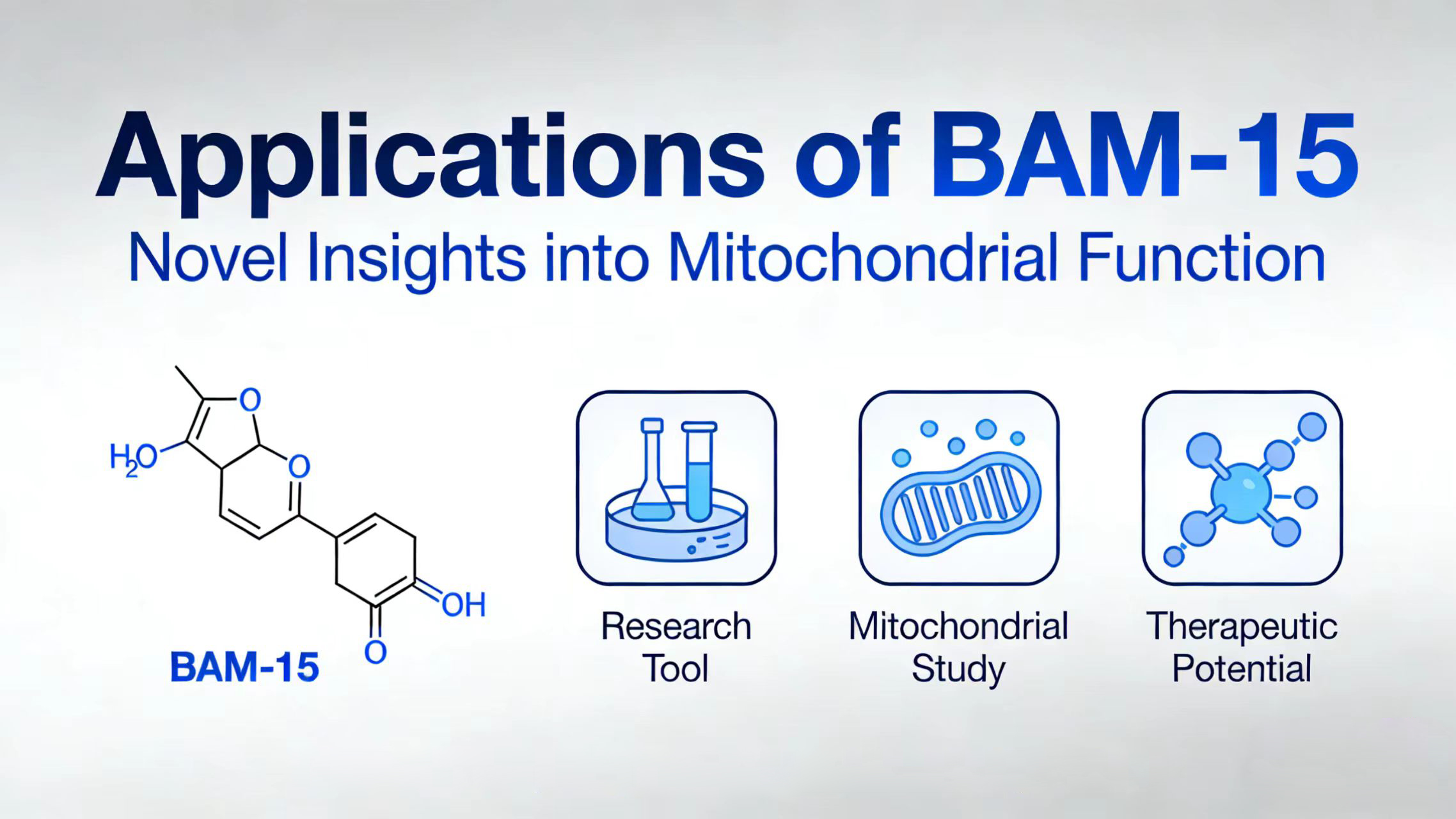
BAM-15 is an experimental mitochondrial uncoupler that increases energy expenditure by dissipating the proton gradient in mitochondria. Because it uncouples oxidative phosphorylation without strongly affecting ATP production, researchers consider it a promising candidate for several biomedical and metabolic applications.
Below are the main current and potential applications of BAM-15.
1. Obesity and Weight-Loss Research
One of the most studied applications of BAM-15 is in anti-obesity therapy.
Mechanism
BAM-15 increases mitochondrial proton leak, forcing cells to burn more fuel to maintain ATP levels.
Effects observed in animal studies
- Increased energy expenditure
- Increased fat oxidation
- Reduced body weight gain
- Reduced adiposity
Unlike the classic uncoupler 2,4-Dinitrophenol, BAM-15 does not significantly raise body temperature, which is a major safety advantage being investigated.
Potential use
- Pharmaceutical anti-obesity drugs
- Metabolic rate enhancement
2. Treatment of Metabolic Syndrome
BAM-15 may help treat several components of metabolic syndrome.
Observed benefits in research models
- Improved insulin sensitivity
- Lower fasting glucose
- Reduced hepatic lipid accumulation
- Lower blood triglycerides
Possible therapeutic targets:
- Type 2 Diabetes
- Nonalcoholic Fatty Liver Disease
- Dyslipidemia
3. Fatty Liver Disease Therapy
BAM-15 shows promise in treating fatty liver disorders.
Mechanism
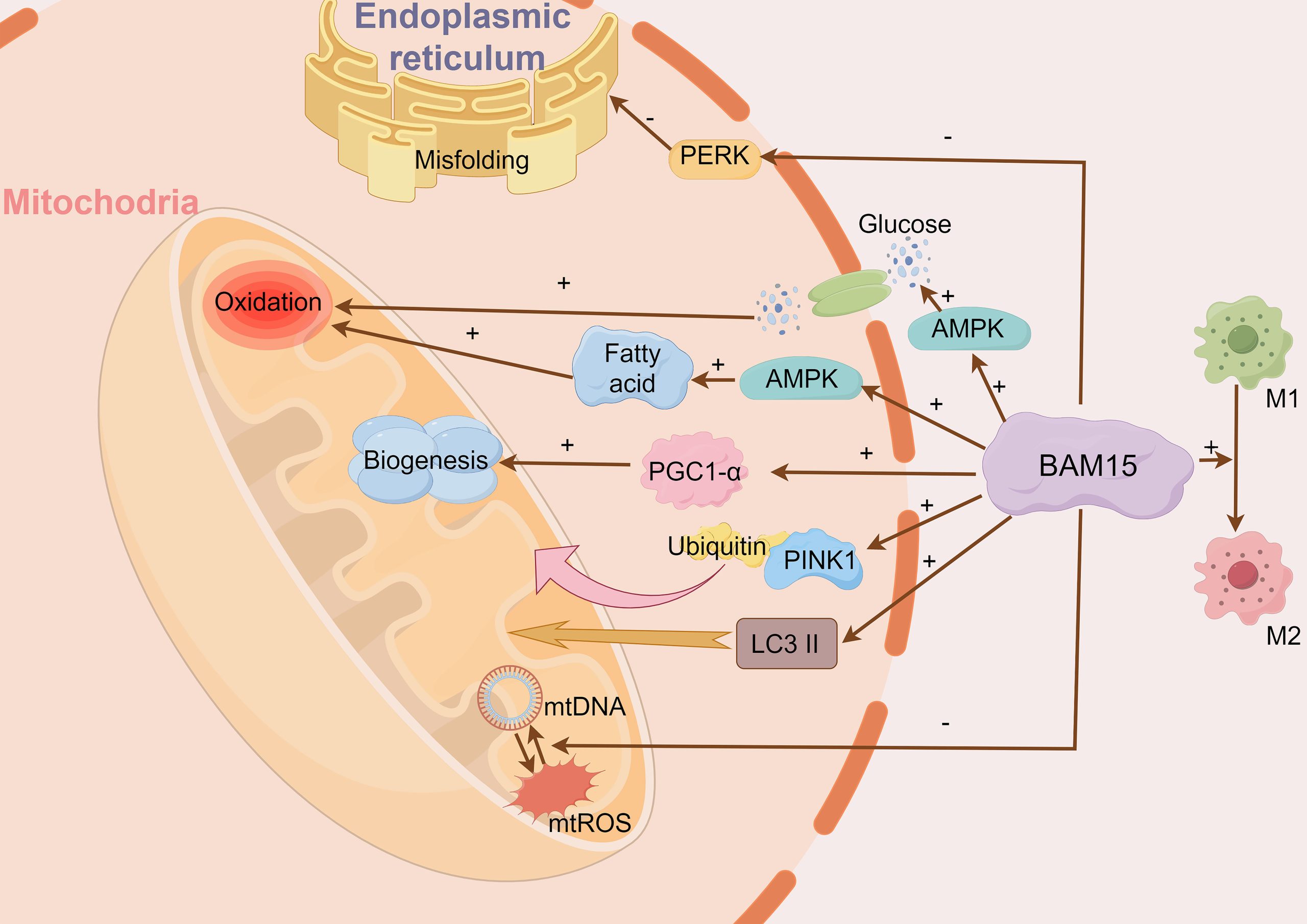
- Increases hepatic mitochondrial oxidation
- Reduces lipid accumulation in liver cells
- Improves mitochondrial efficiency
Potential application:
- Treatment of NAFLD
- Treatment of Nonalcoholic Steatohepatitis
Animal studies show significant reductions in liver fat and inflammation.
4. Mitochondrial Disease Research
Because BAM-15 directly modulates mitochondrial function, it is used as a research tool in:
- Mitochondrial bioenergetics
- Oxidative phosphorylation studies
- Mitochondrial dysfunction diseases
Potential disease targets:
- Neurodegenerative disorders
- Mitochondrial myopathies
5. Aging and Longevity Research
Mild mitochondrial uncoupling has been hypothesized to reduce oxidative stress.
Why?
Uncoupling can:
- Lower mitochondrial membrane potential
- Reduce reactive oxygen species (ROS) generation
Therefore BAM-15 is being explored in:
- Aging biology
- Mitochondrial stress resistance
- Metabolic longevity models
6. Exercise and Muscle Metabolism Studies
BAM-15 can affect skeletal muscle metabolism.
Research observations:
- Increased fatty-acid oxidation
- Improved metabolic flexibility
- Altered mitochondrial respiration
Potential areas:
- Exercise physiology
- Muscle metabolic disorders
7. Cancer Metabolism Research
Cancer cells depend heavily on altered metabolism.
Because BAM-15 changes mitochondrial energetics, it is being studied for:
- Altering tumor metabolism
- Affecting ATP demand vs supply
- Sensitizing tumors to metabolic therapies
This area is still early-stage research.
8. Laboratory Tool in Bioenergetics
In research labs, BAM-15 is frequently used to study:
- Mitochondrial proton leak
- Oxidative phosphorylation efficiency
- Mitochondrial respiration assays
Compared with other uncouplers, BAM-15 is favored because it:
- Works independently of ATP synthase
- Has low plasma membrane toxicity
- Causes minimal depolarization toxicity
Summary of BAM-15 Applications
| Area | Purpose |
| Obesity | Increase energy expenditure |
| Metabolic syndrome | Improve glucose and lipid metabolism |
| Fatty liver disease | Reduce hepatic fat accumulation |
| Mitochondrial research | Study oxidative phosphorylation |
| Aging research | Reduce ROS via mild uncoupling |
| Exercise physiology | Study muscle metabolism |
| Cancer metabolism Investigate | Investigate metabolic vulnerabilities |
Important:
BAM-15 is not an approved drug yet. Its applications are currently limited to preclinical research and experimental therapeutics.
If you’d like, I can also explain:
- Why BAM-15 is considered a next-generation uncoupler
- BAM-15 vs DNP vs FCCP (safety and mechanism differences)
- The molecular mechanism of BAM-15 in mitochondria (very interesting).