
Glycosylglycerol is mainly used as a humectant and skin-conditioning ingredient, meaning it helps attract and retain moisture in the skin (similar to glycerin or hyaluronic acid). It’s most commonly found in skincare and cosmetic formulations, rather than being used on its own as a raw ingredient.
Here’s how to use it for best results:
1. Use it in the right product type
Look for Glycosylglycerol in:
- Moisturizing creams or lotions
- Serums (especially hydrating serums)
- Face masks (sheet masks or wash-off hydrating masks)
- After-sun or barrier-repair products
It works best when combined with other hydrating agents like glycerin, hyaluronic acid, or beta-glucan.
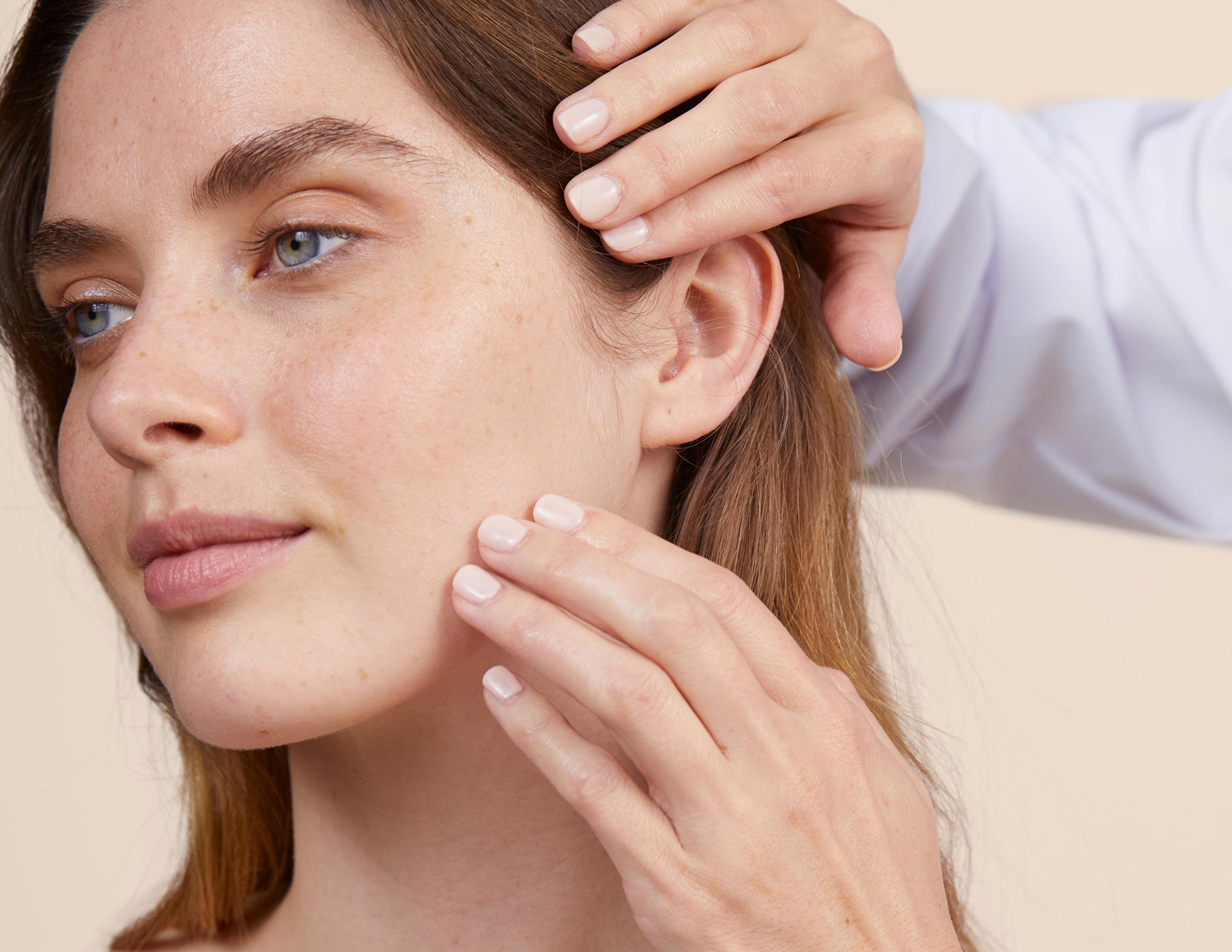
2. Apply on damp skin
For maximum hydration:
- Cleanse your face
- Leave skin slightly damp (don’t dry completely)
- Apply the Glycosylglycerol-containing product
This helps “lock in” water more effectively.
3. Layer correctly in your routine
Typical skincare order:
- Cleanser
- Toner (optional)
- Hydrating serum (with Glycosylglycerol if present)
- Moisturizer
- Sunscreen (morning only)
If it’s in a cream, just use it as your moisturizer step.
4. Use consistently
- Morning and/or night depending on product formulation
- Best results come from daily use over several weeks, improving skin hydration and barrier comfort
5. Pair with barrier-support ingredients
Works especially well alongside:
- Ceramides (strengthen skin barrier)
- Niacinamide (reduces water loss, improves texture)
- Squalane or plant oils (seal moisture)
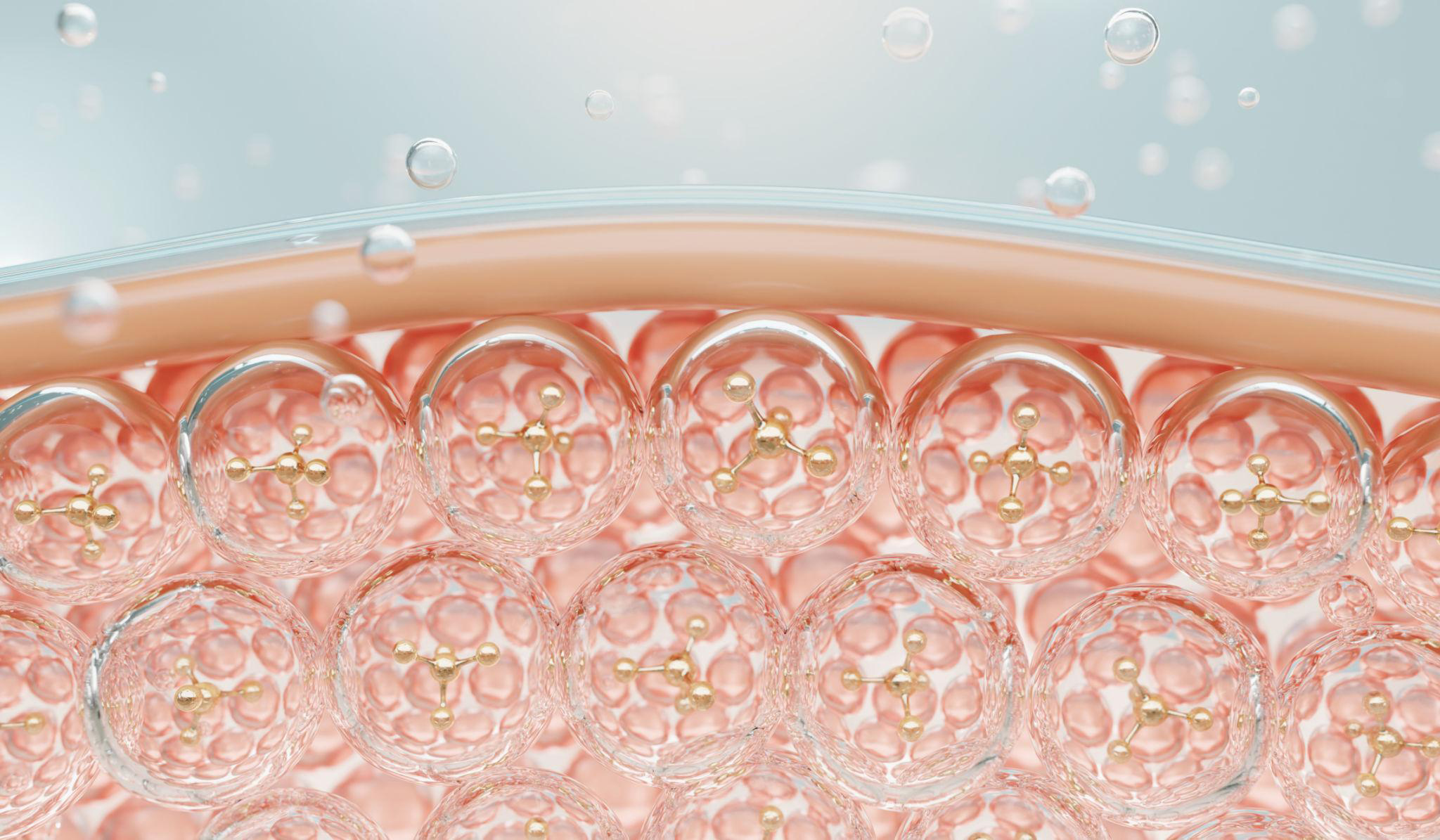
6. Avoid over-reliance alone in dry environments
In very dry climates or winter:
- Always “seal” it with an occlusive moisturizer (like creams with dimethicone, petrolatum, or oils)
- Otherwise, it may pull moisture from deeper skin layers instead of the air
Key takeaway
Glycosylglycerol works best when you:
- apply it on damp skin
- combine it with other moisturizers
- seal it in with a cream