
Glycosylglycerol (often referred to as glucosylglycerol in nature) is a compatible solute found in certain bacteria and plants that helps them survive osmotic stress (e.g., high salinity or drought conditions).
Chemical Structure of Glycosylglycerol
Glycerol core: a 3-carbon triol (HO–CH₂–CHOH–CH₂–OH)
Glycosidic bond: usually at the sn-1 or sn-2 hydroxyl group of glycerol
Sugar moiety: most commonly α-D-glucose or β-D-galactose
General forms include:
- 1-O-α-D-glucopyranosylglycerol
- 2-O-α-D-glycosylglycerol
Exists as mono-glycosylated glycerols (one sugar unit), sometimes with stereochemical variations
This structure makes glycosylglycerols amphiphilic (partly hydrophilic due to sugars and glycerol).
Physical properties of Glycosylglycerol
1. Appearance
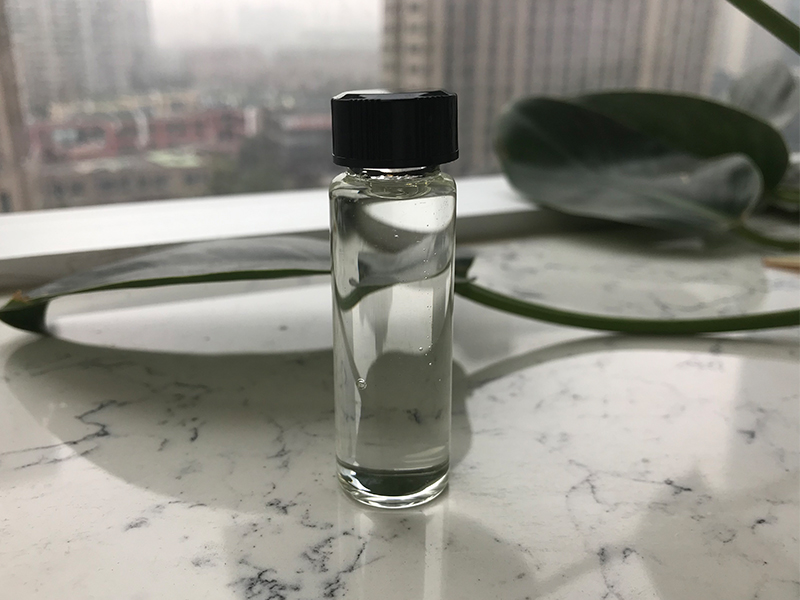
- Typically colorless to pale yellow syrup or solid
- Often isolated as viscous hygroscopic liquid or crystalline powder depending on purity
2. Solubility
- Highly soluble in water
- Poorly soluble in non-polar organic solvents (e.g., hexane)
- Strong hydrogen bonding due to multiple –OH groups
3. Hygroscopicity
- Strongly water-absorbing (hygroscopic)
- Forms stable hydration shells in aqueous environments
4. Stability
- Chemically stable under neutral pH and moderate temperatures
- Can hydrolyze under strong acidic or enzymatic conditions, breaking glycosidic bond
5. Molecular weight
Depends on sugar type:
- Glucose-glycerol form ≈ 254–280 g/mol range (varies by isomer and hydration state)
6. Thermal behavior
- No sharp melting point (often decomposes on heating)
- Forms viscous phases when concentrated in water
7. Biological relevance
- Acts as a compatible solute (osmolyte) in some cyanobacteria and algae
- Helps organisms survive salt, heat, and osmotic stress