
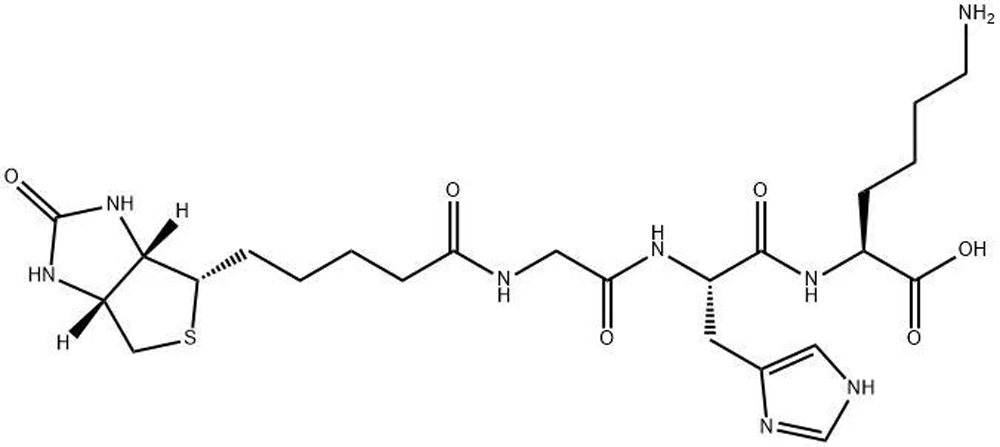
Biotinoyl Tripeptide-1 is a synthetic peptide compound widely used in cosmetic and hair care products. It is designed to improve the appearance and health of hair and skin. Chemically, it is composed of a tripeptide (three amino acids linked together) attached to biotin, which helps with targeting hair follicles and skin cells. Here’s a detailed overview of the materials and methods typically used in studies or applications involving Biotinoyl Tripeptide-1, focusing on its effects in hair and skin care research.
Materials of Biotinoyl Tripeptide-1
1. Active Compound
- Biotinoyl Tripeptide-1: Synthetic peptide (biotinylated tripeptide), purity ≥ 95%.
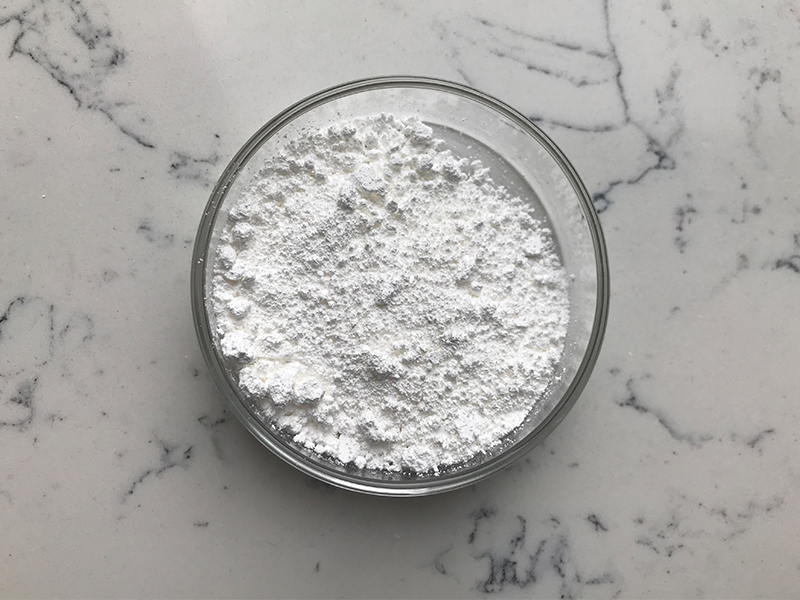
- Often supplied as a white to off-white powder, soluble in water or mild solvents.
2. Solvents & Buffers
- Distilled water or phosphate-buffered saline (PBS) for peptide dissolution.
- DMSO (dimethyl sulfoxide) for stock solutions if water solubility is limited.
- pH buffers (pH 5–7) to maintain stability during in vitro experiments.
3. Cell Lines
- Human dermal fibroblasts (HDFs) for skin-related studies.
- Human hair follicle dermal papilla cells (HFDPCs) for hair growth studies.
4. Culture Media
- Dulbecco’s Modified Eagle Medium (DMEM) or similar, supplemented with 10% fetal bovine serum (FBS) and antibiotics.
- Serum-free media for specific assays to reduce peptide interference.
5. Reagents for Assays
- MTT or WST-1 for cell viability/proliferation.
- Collagen I ELISA kits for collagen synthesis evaluation.
- RNA extraction kits and qPCR reagents for gene expression analysis (e.g., VEGF, FGF-7, IGF-1).
6. Equipment
- Incubator with 5% CO₂ and 37°C.
- Microplate reader for absorbance/fluorescence measurements.
- Microscopes (phase contrast, fluorescence) for cell morphology assessment.
Methods of Biotinoyl Tripeptide-1
A. Preparation of Peptide Solutions
1. Dissolve Biotinoyl Tripeptide-1 in sterile PBS or water to prepare a stock solution (commonly 1–10 mM).
2. Filter-sterilize using a 0.22 μm syringe filter.
3. Dilute to working concentrations (typically 0.1–100 μM) for experiments.
B. In Vitro Cell Culture Assays
1. Cell Viability / Proliferation
- Seed HFDPCs or fibroblasts in 96-well plates.
- Treat with various concentrations of BTP-1 for 24–72 hours.
- Measure cell proliferation using MTT, WST-1, or live/dead staining.
2. Collagen Synthesis
- Treat dermal fibroblasts with BTP-1 for 48–72 hours.
- Collect supernatants and measure type I collagen using ELISA.
- Optionally, confirm with immunofluorescence staining.
3. Gene Expression
- Extract RNA from treated cells.
- Reverse transcribe to cDNA.
- Quantify expression of growth factors (VEGF, FGF-7, IGF-1) using qPCR.
4. Morphological Analysis
- Examine changes in cell shape, dendritic processes in papilla cells.
- Imaging with phase contrast or fluorescence microscopy.
C. Ex Vivo Hair Follicle Studies
- Obtain human scalp hair follicles (with ethical approval).
- Culture follicles in organ culture media.
- Apply Biotinoyl Tripeptide-1 topically or in media.
- Measure hair shaft elongation over 7–14 days.
- Assess follicle viability and anagen (growth phase) induction.
D. Data Analysis
- Experiments performed in triplicate or more.
- Statistical analysis: ANOVA or t-tests, significance typically set at p < 0.05.
- Dose-response curves to determine optimal effective concentration.
Summary
The materials and methods for Biotinoyl Tripeptide-1 research focus on peptide preparation, cell-based assays for proliferation and collagen synthesis, gene expression studies, and sometimes ex vivo hair follicle cultures. Concentrations, duration, and endpoints are carefully controlled to evaluate anti-aging or hair growth-promoting effects.