
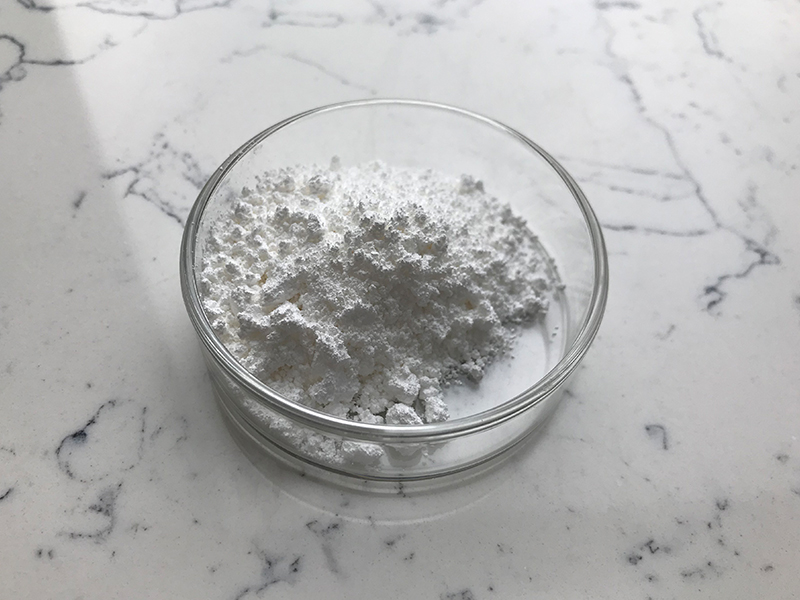
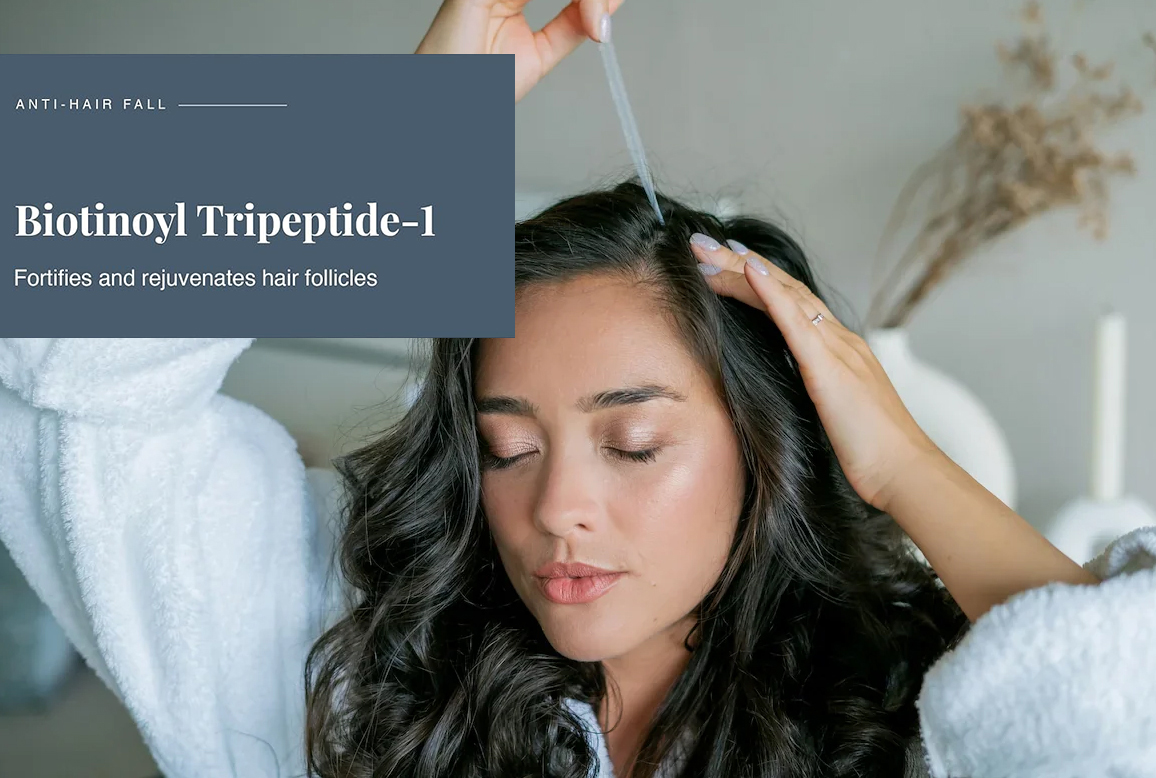
Biotinoyl Tripeptide-1 is a synthetic cosmetic peptide widely used in hair and lash care formulations. Here’s a comprehensive, evidence-based overview of Biotinoyl Tripeptide-1 (Biotin-GHK) covering effectiveness, side effects, and precautions:
Effectiveness of Biotinoyl Tripeptide-1
1. Hair growth & anti–hair loss
- Stimulates dermal papilla cells (key regulators of hair growth cycle)
→ In vitro studies show ~140–148% increase in cell proliferation at optimal concentrations
- Helps prolong the anagen (growth) phase of hair follicles
- May reduce hair shedding and improve density over time (typically 8–12 weeks)
2. DHT-related hair loss modulation
- Can reduce 5α-reductase activity (enzyme that converts testosterone → DHT)
→ Mechanism similar (in vitro) to minoxidil in some studies
3. Hair strengthening
- Enhances keratin structure, reducing breakage
- Leads to thicker, stronger strands and improved texture
4. Eyelashes & eyebrows
- Promotes longer, fuller lashes and brows without prostaglandin-related risks (e.g., eye discoloration)
5. Skin benefits (secondary)
- Supports collagen-related peptides (GHK) → mild anti-aging/repair effects
- Reduces oxidative stress in follicles
6. Limitations
- Evidence is mostly in vitro or cosmetic trials, not large clinical trials
- Effects are moderate and gradual, not as strong as pharmaceutical treatments
- Dose-dependent (too high concentration may reduce efficacy)
Side Effects of Biotinoyl Tripeptide-1
Overall, it has a very good safety profile, especially in topical use.
Common (mild, rare)
- Scalp or skin irritation
- Redness or warmth
- Itching or slight flaking
- Mild eye irritation if product enters eyes
Less common
- Allergic contact dermatitis (sensitive individuals)
Frequency
- Reported adverse effects are low (<2%) and usually mild
- Typically resolve within 24–48 hours after stopping use
Safety characteristics
- Not phototoxic (doesn’t increase UV sensitivity)
- Non-comedogenic (won’t clog pores)
- Low systemic toxicity due to minimal absorption
Special Precautions of Biotinoyl Tripeptide-1
1. Skin & scalp condition
Avoid use on:
- Broken skin
- Inflamed scalp (e.g., eczema, psoriasis flare)
Damaged skin increases irritation and absorption risk
2. Allergy considerations
Avoid if allergic to:
- Biotin
- Peptides
- Other formulation ingredients
Always patch test before use
3. Product formulation matters
Side effects often come from other ingredients, not the peptide itself
Avoid formulas with:
- High alcohol
- Fragrance
- Harsh preservatives
4. Usage guidelines
- External use only (not for ingestion)
- Avoid direct eye contact
- Do not combine excessively with multiple active treatments (may increase irritation)
5. Special populations
Generally considered safe in cosmetic use, including pregnancy (based on biotin safety data), but:
- Still limited direct clinical data → caution advised
6. Concentration awareness
- Effective at low concentrations (~0.01–0.1%)
- Higher doses do not improve results and may reduce activity
Overall Assessment
✅ Strengths
- Good safety profile
- Multi-mechanism (growth stimulation + anti-DHT + strengthening)
- Useful for early-stage hair thinning, maintenance, lashes/brows
❌ Weaknesses
- Limited high-quality clinical evidence
- Results are slow and modest
- Highly dependent on formulation quality
Bottom line
Biotinoyl Tripeptide-1 is a safe, mild-to-moderately effective cosmetic peptide for improving hair density and strength, especially as a supportive or preventive treatment rather than a primary therapy for severe hair loss.
If you want, I can compare it directly with Minoxidil, Finasteride, or other peptides (e.g., Acetyl Tetrapeptide-3) to show where it really stands clinically.