
Biotinoyl Tripeptide-1 is a synthetic peptide often used in cosmetic and dermatological formulations. Its effects on skin and hair are mainly mediated through its ability to stimulate cellular activity and support structural proteins. Here’s a detailed breakdown:
1. Mechanism on Hair
- Follicle stimulation: Biotinoyl Tripeptide-1 promotes the activity of dermal papilla cells in hair follicles, which are critical for hair growth.
- Hair anchoring: It enhances the production of structural proteins like collagen IV, fibronectin, and laminin-5, which strengthen the connection between the hair shaft and follicle, reducing hair shedding.
- Growth phase prolongation: By supporting the follicle’s microenvironment, it can help prolong the anagen (growth) phase of hair.
Result: Stronger, thicker, and healthier hair with reduced hair loss.
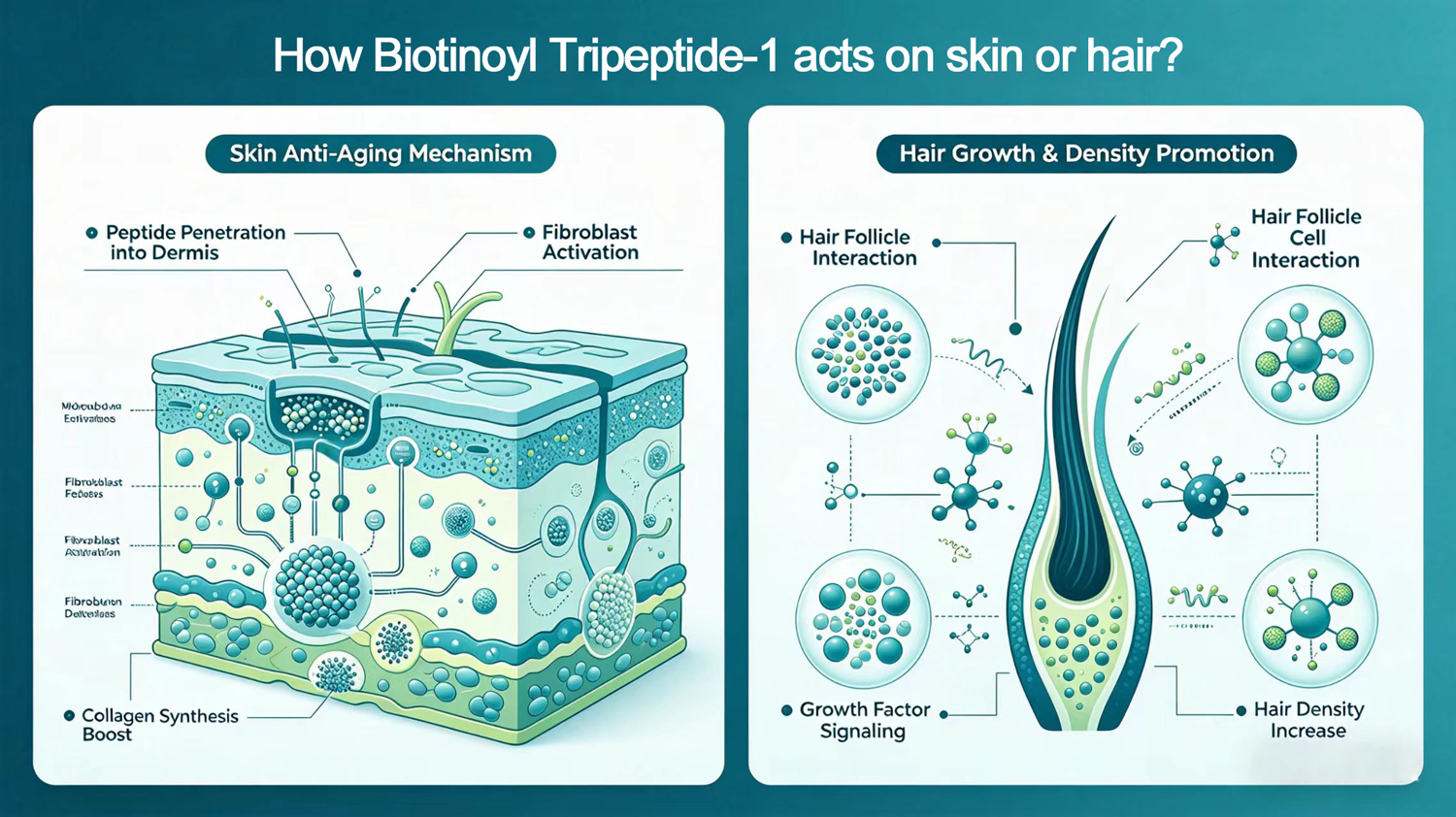
2. Mechanism on Skin
- Collagen synthesis: Biotinoyl Tripeptide-1 stimulates fibroblasts, the skin cells responsible for producing collagen types I and III, improving skin firmness and elasticity.
- Matrix support: It helps increase the deposition of extracellular matrix (ECM) proteins like fibronectin and laminin, which support skin structure.
- Barrier enhancement: By reinforcing dermal and epidermal adhesion, it contributes to healthier skin with better resilience and hydration.
Result: Firmer, smoother skin with reduced appearance of fine lines and improved overall texture.
3. Cellular Pathways
Some studies suggest it works through:
- Activation of integrin receptors on fibroblasts and keratinocytes.
- Upregulation of extracellular matrix gene expression.
- Anti-apoptotic effects on hair follicle cells, helping maintain active follicles longer.
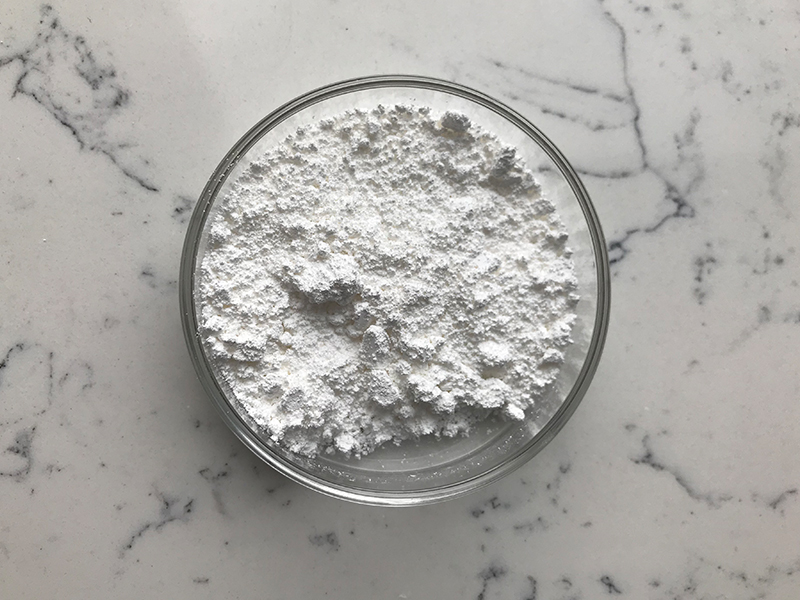
In short, Biotinoyl Tripeptide-1 acts as a signal booster for structural proteins in both hair and skin, improving strength, anchoring, and regeneration. It’s often used in serums, creams, and hair tonics for anti-aging and anti-hair-loss benefits.
If you want, I can make a diagram showing exactly how Biotinoyl Tripeptide-1 interacts with skin layers and hair follicles, which makes the mechanism much clearer visually. Do you want me to do that?