
Glycosylglycerol (often referring to compounds like glucosylglycerol) is a compatible solute found in some plants, algae, and microorganisms. Its core physiological functions are mainly related to stress protection and cellular stability.
Here are the key functions:
1. Osmoprotection (Main Function)
Glycosylglycerol acts as a compatible solute that helps cells balance osmotic pressure.
- Accumulates inside cells under high salinity, drought, or dehydration
- Prevents water loss from the cell
- Maintains normal cell volume and turgor pressure
Especially important in cyanobacteria and salt-tolerant plants.
2. Protein and Enzyme Stabilization
It protects cellular proteins under stress conditions:
- Prevents protein unfolding (denaturation)
- Maintains enzyme activity in high salt or heat environments
- Stabilizes protein structure without interfering with normal metabolism
3. Membrane Protection
Glycosylglycerol helps preserve cell membrane integrity:
- Stabilizes lipid bilayers under osmotic stress
- Reduces membrane leakage
- Helps maintain fluidity in harsh environments
4. Stress Resistance (Abiotic Stress Tolerance)
It enhances overall survival under environmental stress:
- Salt stress (salinity tolerance)
- Heat stress
- Desiccation (dry conditions)
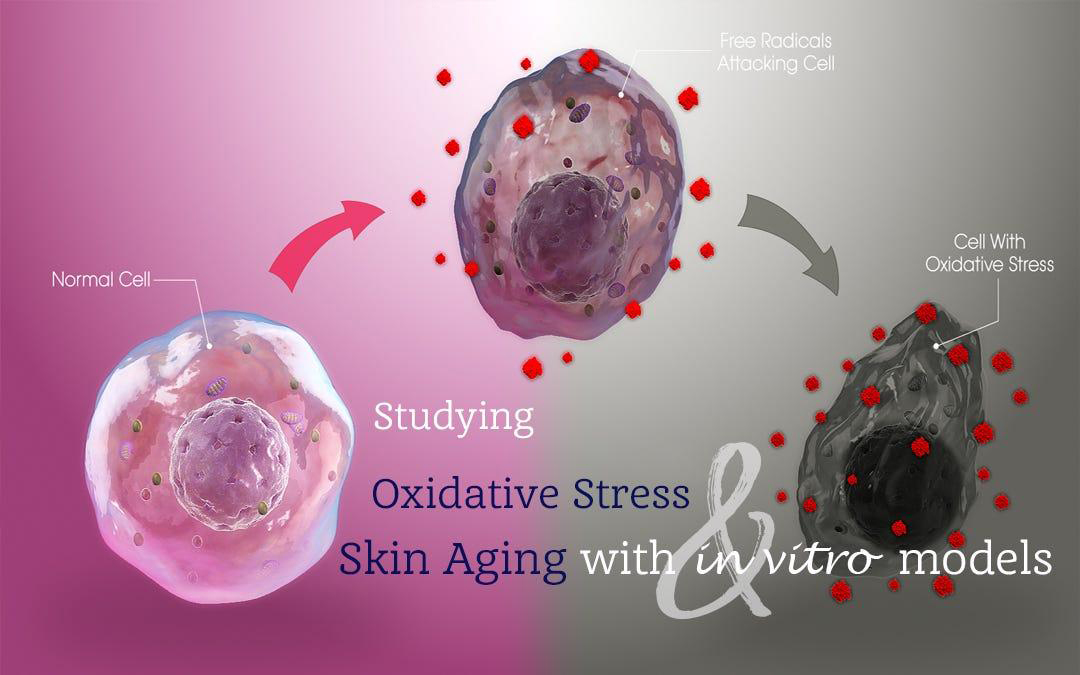
- Possibly oxidative stress (indirect protection)
5. Carbon and Energy Reservoir (Secondary Role)
In some microorganisms:
- Can be metabolized when stress conditions improve
- Serves as a temporary carbon storage molecule

6. Cellular Homeostasis Regulation
Helps maintain internal biochemical balance:
- Ionic equilibrium (Na⁺, K⁺ balance indirectly)
- Water potential stability
- Cytoplasmic consistency for metabolic reactions
In summary:
Glycosylglycerol mainly functions as a protective osmolyte that stabilizes proteins, membranes, and cellular water balance, enabling organisms to survive extreme environmental stress.