
Glycosylglycerol is a naturally occurring or bio-derived compound that belongs to the class of glycosides, specifically a glycerol molecule linked to one or more sugar (glycosyl) units.
1. What is Glycosylglycerol?
Glycosylglycerol refers to a group of compounds where a glycosyl (sugar) group is chemically bound to glycerol.
It is commonly found in marine organisms, bacteria, algae, and some plants, where it plays a role in stress protection and cell stability.
A well-known example is α-glycosylglycerol (GG), often studied for cosmetic and biological applications.
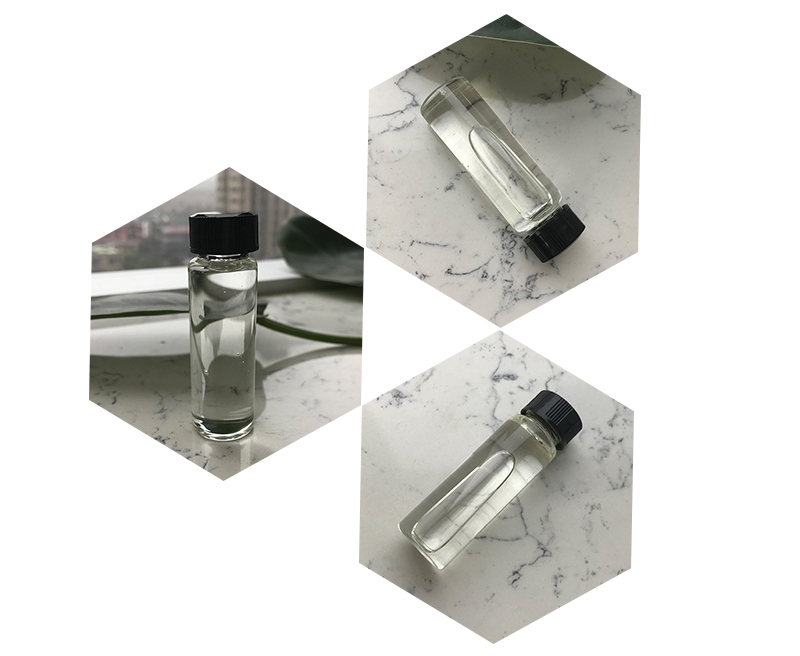
2. Chemical Nature
- Structure: A glycerol backbone attached to one or more glycosyl (usually glucose) units
- Common form: α-D-glucosylglycerol
- Type: Organic osmolyte / carbohydrate derivative
- Water solubility: Highly water-soluble
- Biodegradability: Naturally degradable and environmentally friendly
3. Natural Origin
Glycosylglycerol is found in:
- Cyanobacteria (major natural producers)
- Some salt-tolerant bacteria
- Certain marine microorganisms
- Trace levels in fermented or plant-associated systems
It is typically synthesized when organisms are exposed to osmotic stress (high salt environments).
4. Biological Function
Its main role in nature is:
- Protecting cells from dehydration
- Stabilizing proteins and cell membranes
- Maintaining cellular water balance
- Enhancing survival under stress conditions
5. Key Properties
- Acts as a cell-protective osmolyte
- Improves moisture retention
- Stabilizes biological structures (enzymes, membranes)
- Non-toxic and generally biocompatible
- Resistant to breakdown under stress conditions

6. Industrial & Cosmetic Relevance
Glycosylglycerol is increasingly studied for:
- Skincare formulations (hydration and barrier support)
- Biotechnology applications
- Food and fermentation research
- Stress-protection additives in biological systems
7. Why it is Important
Because it is naturally derived and highly effective at water retention and stabilization, glycosylglycerol is considered a promising bio-based alternative to synthetic humectants in various industries.