
Magnesium glycinate and magnesium threonate are both forms of magnesium supplements, but they differ in their composition and potential benefits:
What each is
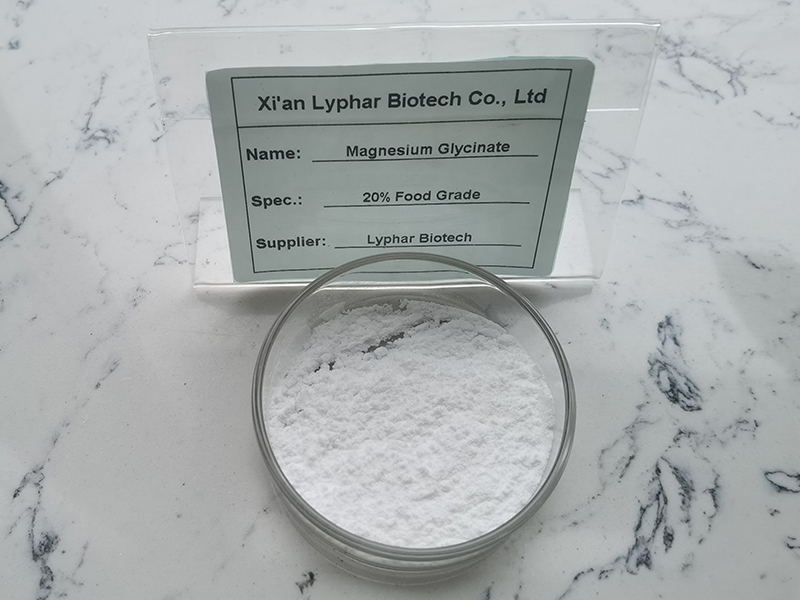
- Magnesium Glycinate = magnesium bound to the amino acid glycine. This chelated form is known for being easily absorbed and gentle on the stomach.
- Magnesium L‑Threonate = magnesium bound to L‑threonic acid (a metabolite of vitamin C) — this form is somewhat special because it appears to cross the blood–brain barrier more readily than many other magnesium forms.
Differences in Effects & Typical Uses
| Feature / Goal | Magnesium Glycinate | Magnesium L-Threonate |
| Main benefits & uses | Well absorbed by the body; acts broadly (systemic, body-wide). | Cognitive support: memory, learning, brain-health, mental clarity, possibly better focus or protection vs age-related decline. |
| Absorption / Where it acts | Well absorbed by the body; acts broadly (systemic, body-wide). | Also well absorbed; importantly, more likely to reach the brain/central nervous system. |
| Best if your goal is… | Better sleep, stress/anxiety reduction, muscle relaxation/less cramping, general magnesium deficiency correction. | Improved cognitive function, memory or focus, long-term brain health (especially for older adults, or if dealing with brain fog, cognitive decline). |
| Typical dosage (compound / elemental) | Often 300–400 mg of glycinate compound per day (yielding a portion of elemental magnesium) | Commonly around 1,000–2,000 mg of threonate compound to get ~150–200 mg elemental magnesium. |
| When to take (timing) | Evening / before bed — to harness calming and sleep-support effects. | Morning / early afternoon if using for mental clarity/focus; some split dose (day + evening) if combining cognitive + sleep support. |
| Affordability & practicality | Generally more affordable. | Typically more expensive. |
Limitations & What Research Says (or Doesn’t)
- While magnesium glycinate is often recommended for sleep and stress, evidence is limited; many benefits (sleep, anxiety) are suggested but not robustly proven.
- Even though magnesium L‑threonate shows promise for increasing magnesium levels in the brain and enhancing aspects like memory and synaptic plasticity (in animal studies), human evidence — especially long-term and large-scale — remains modest/mixed.
- Because threonate delivers magnesium more slowly (and more specifically to the brain), the total elemental magnesium per dose may end up lower than some other forms — which matters if your primary goal is to just meet general magnesium requirements.
- As with any supplement, overdoing magnesium (or using high doses) can lead to side effects — though glycinate and threonate tend to be among the gentler forms.
Which to Choose — Depending on What You Want
- Go for Magnesium Glycinate if your main goals are: improving sleep, reducing stress or anxiety, easing muscle cramps/spasms, relaxing your body, or correcting a general magnesium deficiency — especially if you want a gentle form that’s affordable and easy on your stomach.
- Pick Magnesium L‑Threonate if you’re more concerned with cognitive performance, memory, focus, brain health, or long-term mental function — or if you suspect brain fog or want to support cognition as you age.
It’s also fairly common for people to use them together (e.g. threonate earlier in day for focus, glycinate at night for sleep) — though as always, total magnesium intake and tolerance should be monitored carefully.