
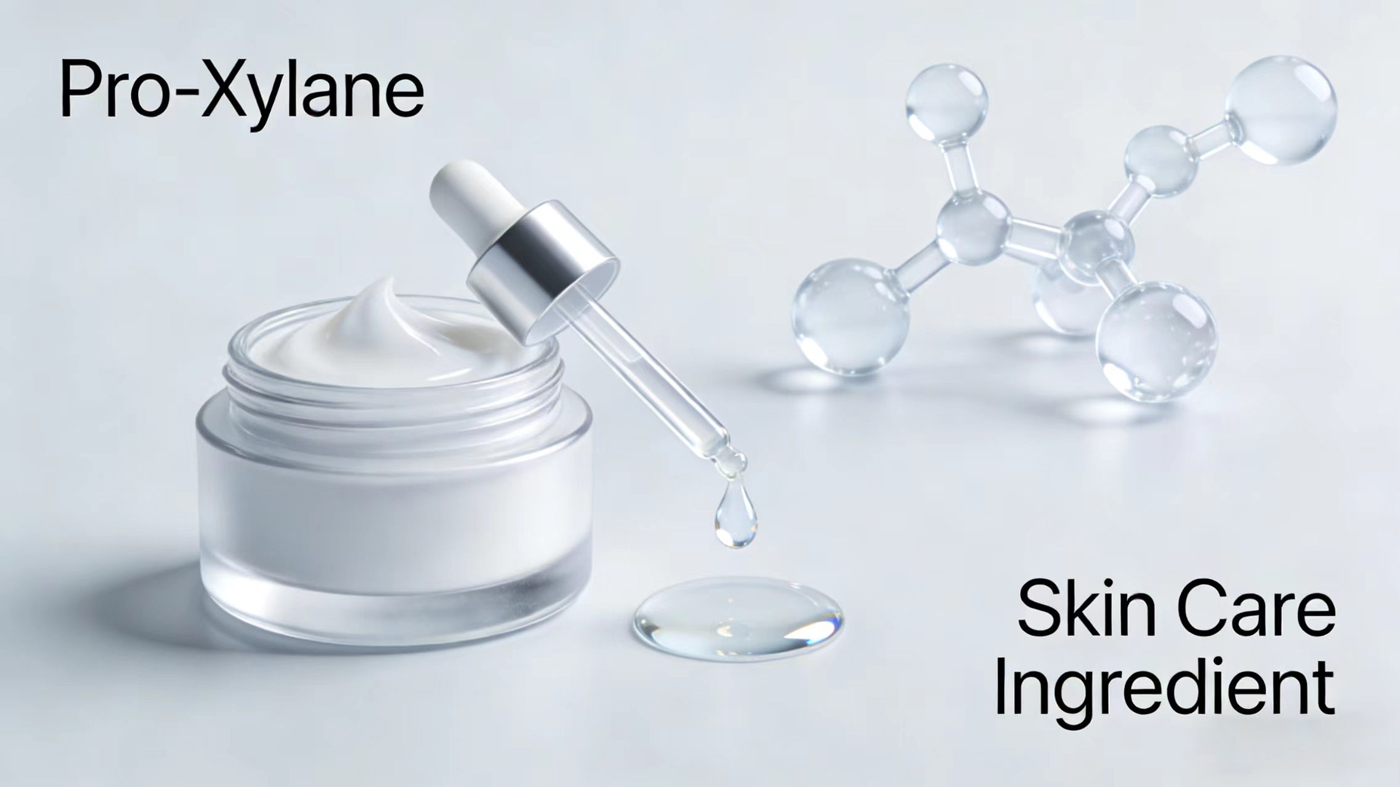
Pro-Xylane (INCI name Hydroxypropyl Tetrahydropyrantriol) is a sugar-derived molecule originally developed by L’Oréal. It’s used in many serums and creams for its anti-aging, hydration, and skin-firming properties.Here’s an objective breakdown of the pros and cons of Pro-Xylane (Hydroxypropyl Tetrahydropyrantriol) — a sugar-derived skincare ingredient widely used for hydration and anti-aging benefits:
Pros of Pro-Xylane
1. Strong Hydration & Moisture Retention
- Pro-Xylane helps your skin hold onto water and can significantly improve moisture levels, leading to a plumper and more supple complexion. This makes it especially helpful for dry or dehydrated skin.
2. Anti-Aging & Firmness
- It stimulates synthesis of key skin components like glycosaminoglycans (e.g., hyaluronic acid), collagen, and elastin — which together help improve skin elasticity, reduce fine lines, and support a firmer, more youthful look.
3. Strengthens Skin Barrier
- By reinforcing the extracellular matrix and supporting structural proteins, Pro-Xylane improves skin barrier function. A healthier barrier reduces water loss and helps protect against environmental stressors.
4. Generally Gentle & Well-Tolerated
- Compared with stronger actives like retinol, Pro-Xylane tends to be easier on sensitive skin — it’s less likely to cause irritation when used within recommended concentrations.
5. Good Compatibility in Formulations
- It mixes well with other beneficial skincare actives — like hyaluronic acid, niacinamide, and vitamin C — enhancing overall formulation performance.
Cons of Pro-Xylane
1. Results Can Take Time
- Visible improvements from Pro-Xylane often require consistent use over weeks or months rather than overnight fixes.
2. Variable Product Quality
- Not all products contain effective concentrations — low percentages or poor formulations may yield minimal results. Label transparency and brand reputation matter.
3. Possible Mild Irritation
- Although generally gentle, some people — particularly those with extremely sensitive or compromised skin — may experience irritation, redness, or discomfort. Patch testing before full-face use is a good practice.
4. Less Extensive Research Than Some Actives
- While evidence supports Pro-Xylane is benefits, it hasn’t been studied as extensively as some long-established ingredients (like retinoids or peptides), and high-quality human trials are somewhat limited.
5. Cost vs. Effectiveness Debate
- Some users feel Pro-Xylane-based products are priced high relative to the actual benefit experienced, especially if other supportive ingredients are missing. (This is more user-opinion than clinical evidence.)
Best Uses
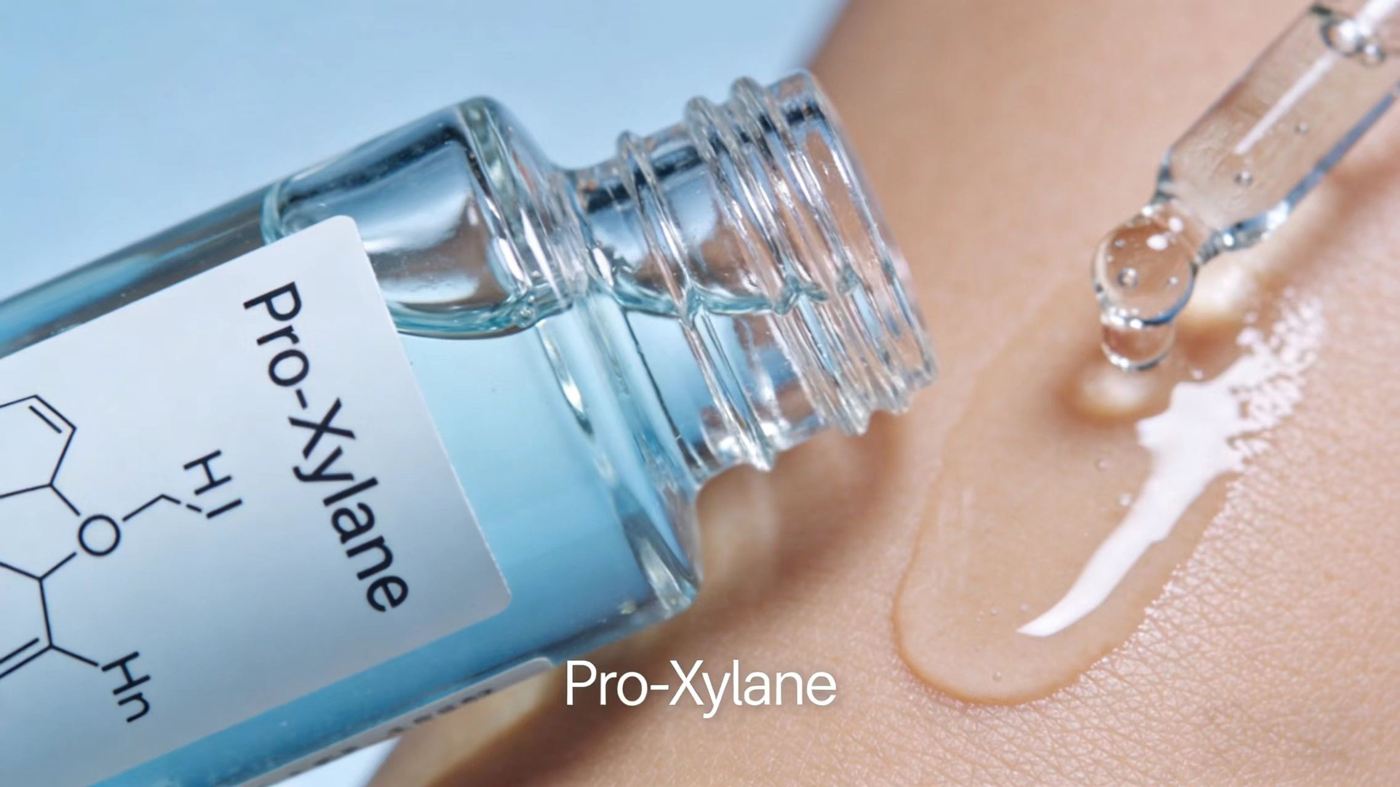
- Anti-aging serums and creams
- Hydrating moisturizers
- Products targeting dull or uneven skin texture
- Barrier-strengthening routines
Tip: For best results, use Pro-Xylane products consistently (daily or as directed) and pair with sunscreen to protect your skin and support long-term outcomes.
Bottom Line
Pro-Xylane is a scientifically backed, gentle ingredient that excels at hydration, anti-aging support, and skin barrier reinforcement. It’s a strong option for many skin types, especially if you want a gentler alternative to retinoids — but realistic expectations and good product selection are key.
If you want, I can also suggest specific products that contain Pro-Xylane and explain which ones are best for different skin types (e.g., dry, sensitive, mature).