
Polydeoxyribonucleotide and Ribonucleic Acid are both nucleic-acid–based biopolymers, but they differ fundamentally in structure, origin, and biological role.
1. Core Definition
Polydeoxyribonucleotide (PDRN)
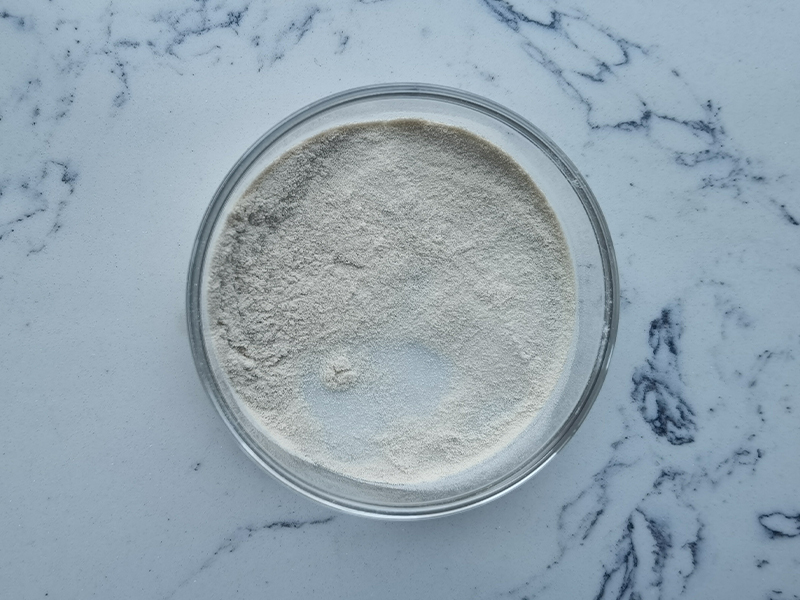
Polydeoxyribonucleotide (PDRN) is a mixture of DNA fragments composed of deoxyribonucleotides (typically 50–2000 base pairs). It is usually extracted from salmon sperm DNA or similar biological sources.
- Functionally used as a tissue repair and regenerative agent
- Acts mainly through adenosine A2A receptor activation (indirectly via salvage pathways)
Ribonucleic Acid (RNA)
Ribonucleic Acid (RNA) is a single-stranded nucleic acid made of ribonucleotides.
- Central molecule in gene expression
- Exists naturally in all living cells (mRNA, tRNA, rRNA, etc.)
- Involved in protein synthesis and regulation
2. Structural Differences
| Feature | Polydeoxyribonucleotide (PDRN) (DNA fragments) | Ribonucleic Acid (RNA) |
| Sugar | Deoxyribose (no 2’-OH) | Ribose (has 2’-OH group) |
| Bases | A, T, G, C | A, U, G, C (uracil replaces thymine) |
| Strand | Usually double-stranded fragments | Usually single-stranded |
| Stability | More stable in vivo | Less stable, easily degraded by RNases |
| Length | Short DNA chains | Highly variable (tRNA, mRNA, etc.) |
3. Biological Function
Polydeoxyribonucleotide (PDRN)
(1) Not used for genetic coding
(2) Acts as a biostimulatory material
(3) Promotes:
- Tissue repair
- Angiogenesis (new blood vessel formation)
- Fibroblast proliferation
(4) Works partly by providing nucleotides for DNA salvage pathways
Common applications:
- Wound healing
- Skin regeneration
- Dermatology (e.g., post-laser recovery)
Ribonucleic Acid (RNA)
(1) Directly involved in gene expression
(2) Key roles:
- mRNA → carries genetic code
- tRNA → delivers amino acids
- rRNA → structural/catalytic role in ribosomes
(3) Also regulatory RNAs (miRNA, siRNA) control gene silencing
4. Origin
| Molecule | Source |
| Polydeoxyribonucleotide (PDRN) | Extracted from salmon trout sperm or purified DNA fragments |
| Ribonucleic Acid (RNA) | Synthesized in all living organisms via transcription |
5. Mechanism of Action
Polydeoxyribonucleotide (PDRN)
Broken down into nucleotides in tissue
Activates adenosine A2A receptor pathway indirectly
Enhances:
- VEGF (vascular endothelial growth factor)
- Collagen synthesis
- Cell proliferation
Ribonucleic Acid (RNA)
- Acts via translation and gene regulation
- mRNA → protein synthesis
- miRNA/siRNA → gene silencing
- Ribozymes → enzymatic activity
6. Stability & Pharmacological Behavior
| Property | Polydeoxyribonucleotide (PDRN) | Ribonucleic Acid (RNA) |
| Enzymatic resistance | Moderate | Very low (RNases rapidly degrade it) |
| Half-life in body | Longer (therapeutic effect persists) | Short unless protected |
| Therapeutic delivery | Injectable/topical medical use | Mostly experimental/biotech or vaccine platforms |

7. Medical & Biotechnological Use
Polydeoxyribonucleotide (PDRN)
- Wound healing injections
- Dermatology (skin rejuvenation)
- Diabetic ulcer treatment (supportive therapy)
- Post-procedure recovery (laser, microneedling)
Ribonucleic Acid (RNA)
- mRNA vaccines (e.g., COVID-19 vaccines)
- Gene expression studies
- RNA interference therapies
- Diagnostic tools
8. Key Difference in One Line
Polydeoxyribonucleotide (PDRN) = structural DNA fragments used for tissue repair signaling
Ribonucleic Acid (RNA) = functional genetic molecule used for protein synthesis and gene regulation
9. Simple Analogy
Polydeoxyribonucleotide (PDRN) → “building materials used to repair tissue”
Ribonucleic Acid (RNA) → “instruction manuals used to build proteins”
If you want, I can also compare Polydeoxyribonucleotide (PDRN) vs DNA vs RNA in skin regeneration pathways or explain why PDRN activates A2A receptors despite being a DNA fragment.