
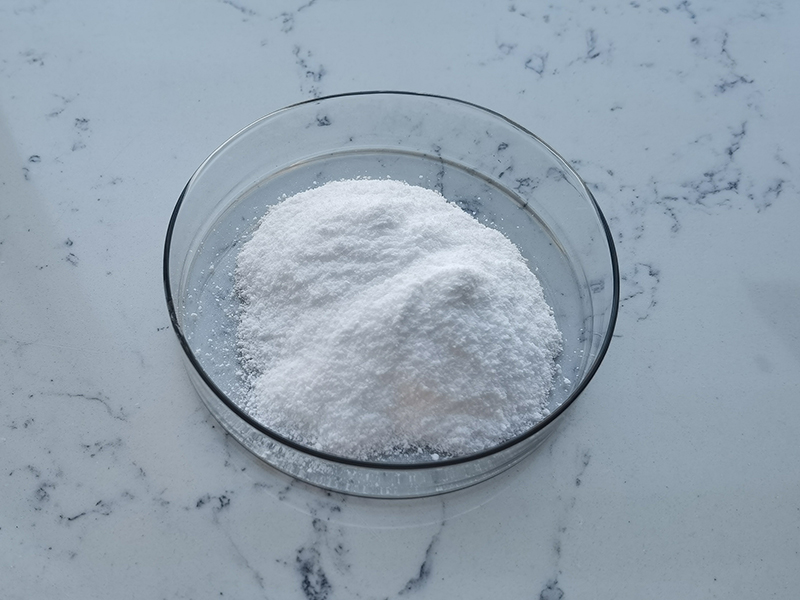
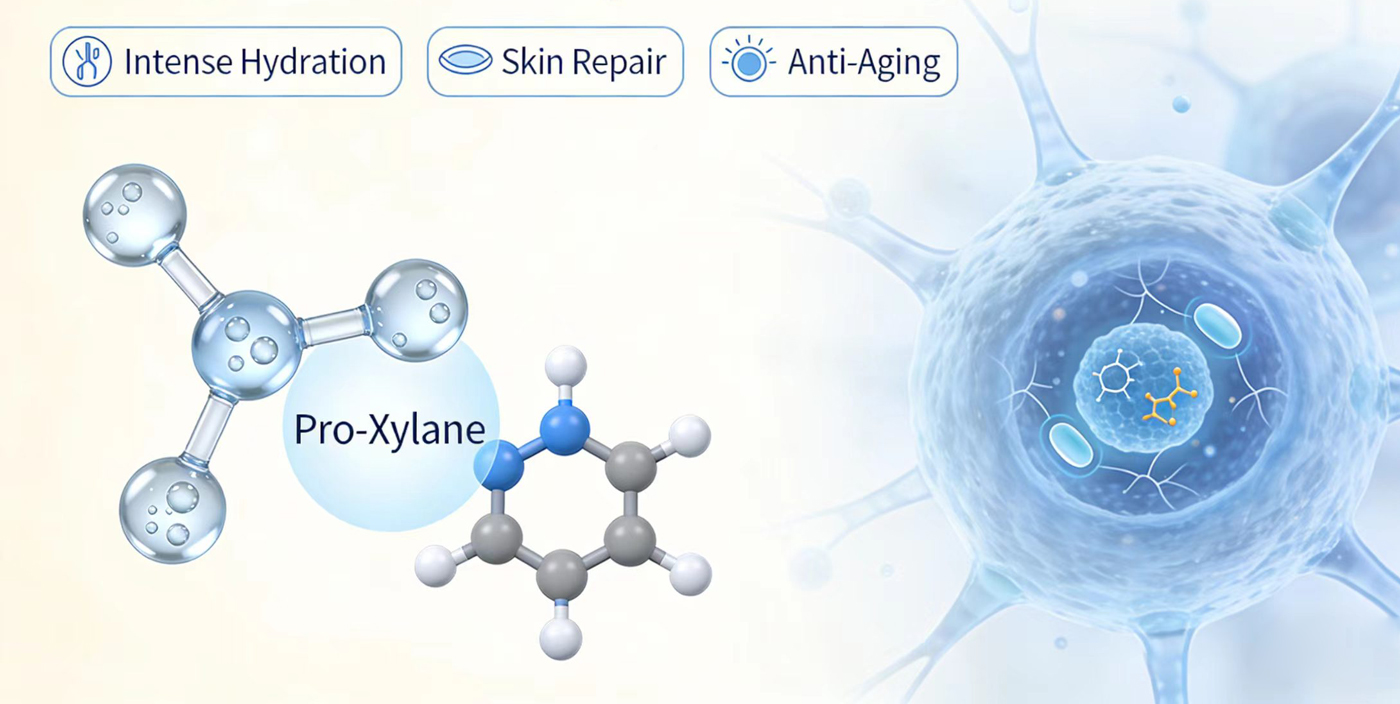
Pro-Xylane (INCI: Hydroxypropyl Tetrahydropyrantriol) is a synthetic derivative of xylose — a sugar molecule originally developed in cosmetic research (notably by L’Oréal) — that’s widely used in serums, creams, and lotions. It’s known for anti-aging and moisturizing activity.
Effectiveness of Pro-Xylane
1. Anti-Aging & Skin Structure
Pro-Xylane helps:
- Stimulate production of glycosaminoglycans (GAGs), collagen, and elastin — key structural molecules in the skin that support firmness and elasticity.
- Strengthen the dermal-epidermal junction, the critical layer where outer and deeper skin meet, reducing sagging and improving overall integrity.
2. Moisturization
- It enhances hydration by binding water molecules and supporting the skin’s natural moisture-retention systems (like hyaluronic acid).
3. Visible Effects
Users and clinical observations suggest that, with consistent use:
- Fine lines and wrinkles may appear softer,
- Skin looks plumper and more resilient,
- Tone and texture can seem more even.
This typically takes weeks to months of regular use, especially in products with effective concentrations (often ~2–5%).
4. Compatibility with Other Actives
Pro-Xylane pairs well with many popular skincare ingredients — like hyaluronic acid, peptides, vitamin C, and retinol — and may enhance overall moisturizing and anti-aging effects when used in a well-formulated product.
Potential Side Effects of Pro-Xylane
1. Skin Reactions
Although generally well-tolerated, possible reactions include:
- Redness, irritation, itching, or burning sensations — especially on sensitive skin or from high concentrations.
- Dryness or flakiness if used without adequate moisturizing support.
2. Allergic Responses
- Individual sensitivity or allergy to the ingredient or accompanying formulation components can occur, though this is relatively uncommon.
3. Breakouts
- Some people with acne-prone skin report occasional flare-ups, likely due to formulation factors rather than the ingredient alone.
Patch testing on a small area (e.g., inner forearm) before full face application is a prudent safety step.
Special Precautions & Who Should Be Cautious
1. Sensitive or Compromised Skin
- Start slowly and monitor your skin’s response. If irritation persists, reduce frequency or stop use.
2. Pregnancy & Breastfeeding
- There’s limited safety data on Pro-Xylane use during pregnancy or breastfeeding, so many skincare professionals recommend avoiding it or consulting a healthcare provider.
3. Product Formulation Matters
- The overall skincare product design (presence of alcohol, fragrance, acids, etc.) greatly influences tolerability and results — not just the Pro-Xylane itself.
4. Pet Safety
- Ingredients related to sugars/xylitol can be toxic if ingested by dogs (e.g., if they lick your face). While Pro-Xylane isn’t exactly xylitol, people sometimes confuse them. Be cautious that pets do not lick off skincare products. (This is a general pet-safety note and not a direct warning about Pro-Xylane itself.)
Summary — Pros & Cons at a Glance
| Aspect | What to Expect |
| Benefits | Anti-aging support, hydration, improved elasticity & texture |
| Side Effects | Mild irritation/allergies for some, dryness, occasional breakouts |
| Best Use Tips | Patch test first, combine with complementary actives, consistent application |
| Precautions | Pregnancy/breastfeeding caution, sensitive skin test |