
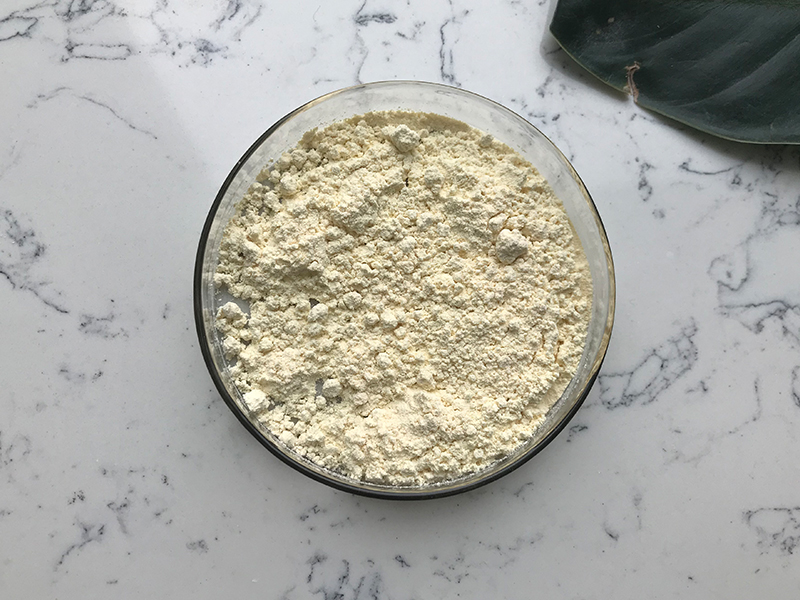
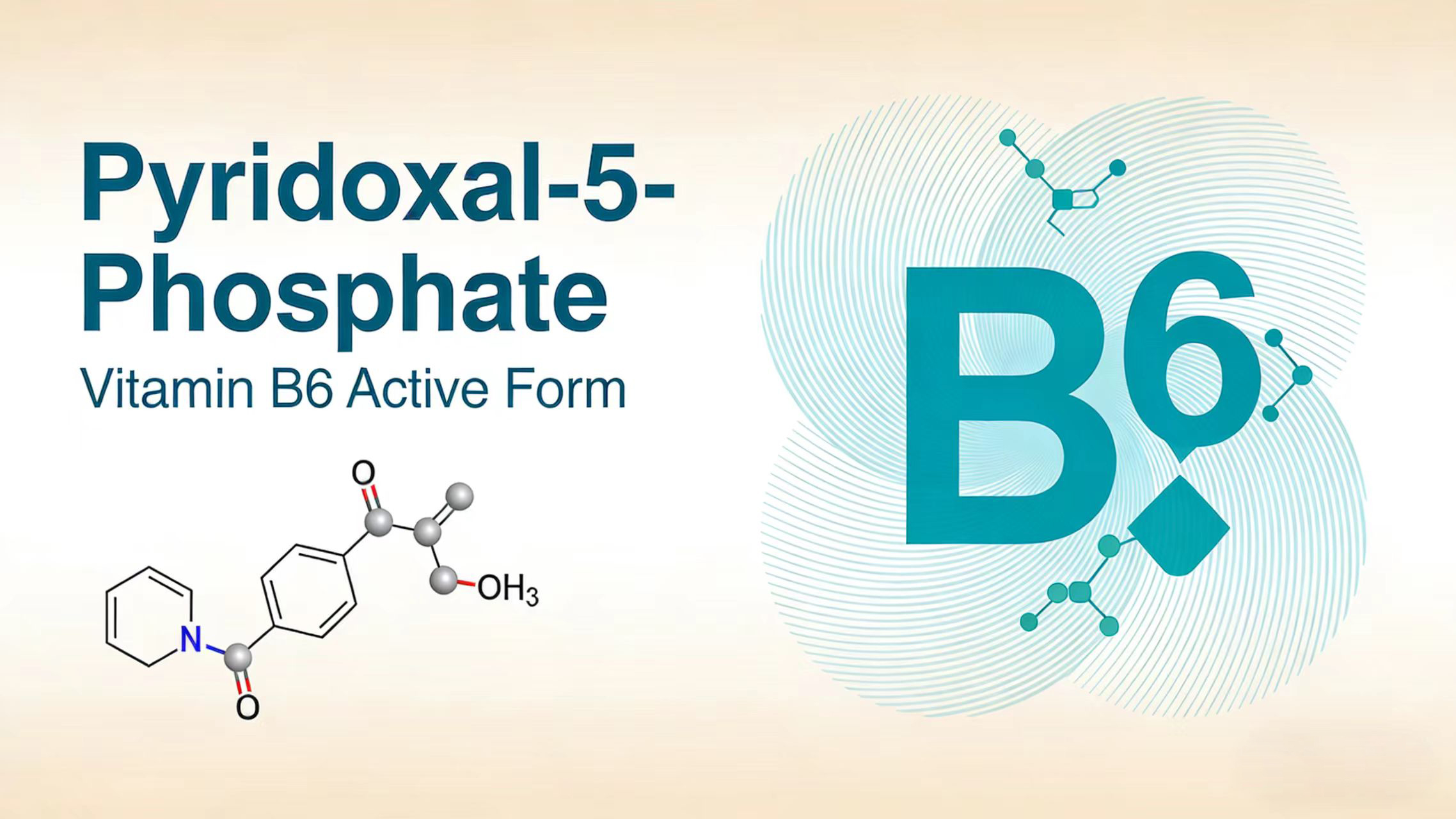
Pyridoxal-5-Phosphate (PLP) is the biologically active form of vitamin B6 and one of the most important coenzymes in human metabolism.Here’s a clear breakdown :
What exactly is Pyridoxal-5-Phosphate?
- Abbreviation: Pyridoxal-5-Phosphate
- Vitamin: Vitamin B6 (active form)
- Water-soluble coenzyme
- Found inside cells, not stored in large amounts
Pyridoxal-5-Phosphate is the form of vitamin B6 that the body actually uses. Other B6 forms (pyridoxine, pyridoxal, pyridoxamine) must be converted into PLP to become functional.
Key biological functions
Pyridoxal-5-Phosphate is a coenzyme for over 100 enzymatic reactions, mainly involving amino acids.
1. Amino acid metabolism
Pyridoxal-5-Phosphate is essential for:
Transamination
Decarboxylation
Deamination
These reactions are crucial for:
- Protein synthesis
- Energy production
- Nitrogen metabolism
2. Neurotransmitter synthesis
Pyridoxal-5-Phosphate helps produce major brain chemicals, including:
- Serotonin
- Dopamine
- GABA
- Norepinephrine
This links Pyridoxal-5-Phosphate to mood regulation, sleep, cognition, and nerve function.
3. Hemoglobin & red blood cell formation
- Required for heme synthesis
- Supports oxygen transport in blood
4. Homocysteine metabolism
- Helps convert homocysteine into other amino acids
- Important for cardiovascular health
5. Immune function
- Supports lymphocyte production
- Plays a role in antibody formation
Why Pyridoxal-5-Phosphate matters more than regular vitamin B6
Some people have difficulty converting standard vitamin B6 into Pyridoxal-5-Phosphate due to:
- Liver dysfunction
- Aging
- Genetic enzyme variations
- Certain medications
- For them, Pyridoxal-5-Phosphate is more bioavailable and effective.
Medical & nutritional relevance
Blood Pyridoxal-5-Phosphate levels are the standard marker for vitamin B6 status
Deficiency may cause:
- Anemia
- Peripheral neuropathy
- Depression
- Confusion
- Weakened immunity
In supplements & formulations
- Used in nutraceuticals and medical nutrition
- Sometimes preferred over pyridoxine in clinical or specialized supplements
- Typical supplement doses: 5–50 mg/day (depends on need)
Chemical info (quick facts)
- Molecular formula: C₈H₁₀NO₆P
- Nature: Phosphorylated aldehyde
- Highly reactive, binds to enzyme active sites
If you want, I can also explain:
- Pyridoxal-5-Phosphate vs Pyridoxine vs Pyridoxamine
- Stability & formulation considerations
- Uses of Pyridoxal-5-Phosphate in skincare or pharmaceuticals
- Safety, dosage, and interactions
Just tell me where you want to go next