
Saccharide Isomerate is a carbohydrate-based cosmetic ingredient produced by enzymatic conversion (isomerization) of simple sugars, rather than being directly extracted as a finished ingredient from a plant or animal.
1. Primary raw-material source
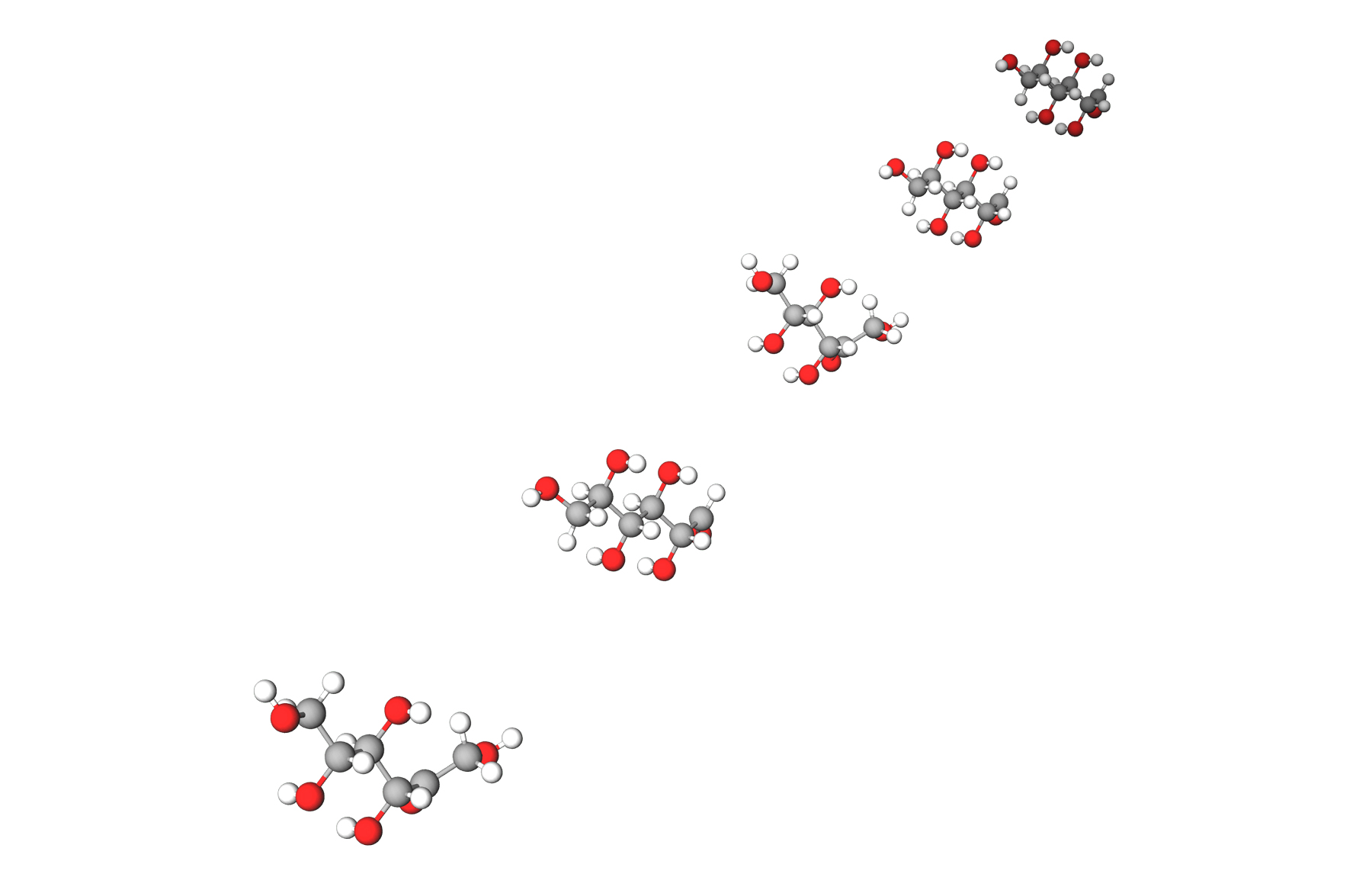
The starting materials are generally plant-derived sugars, particularly mixtures containing monosaccharides such as:
- Glucose
- Fructose
- Mannose
- Other related simple sugars
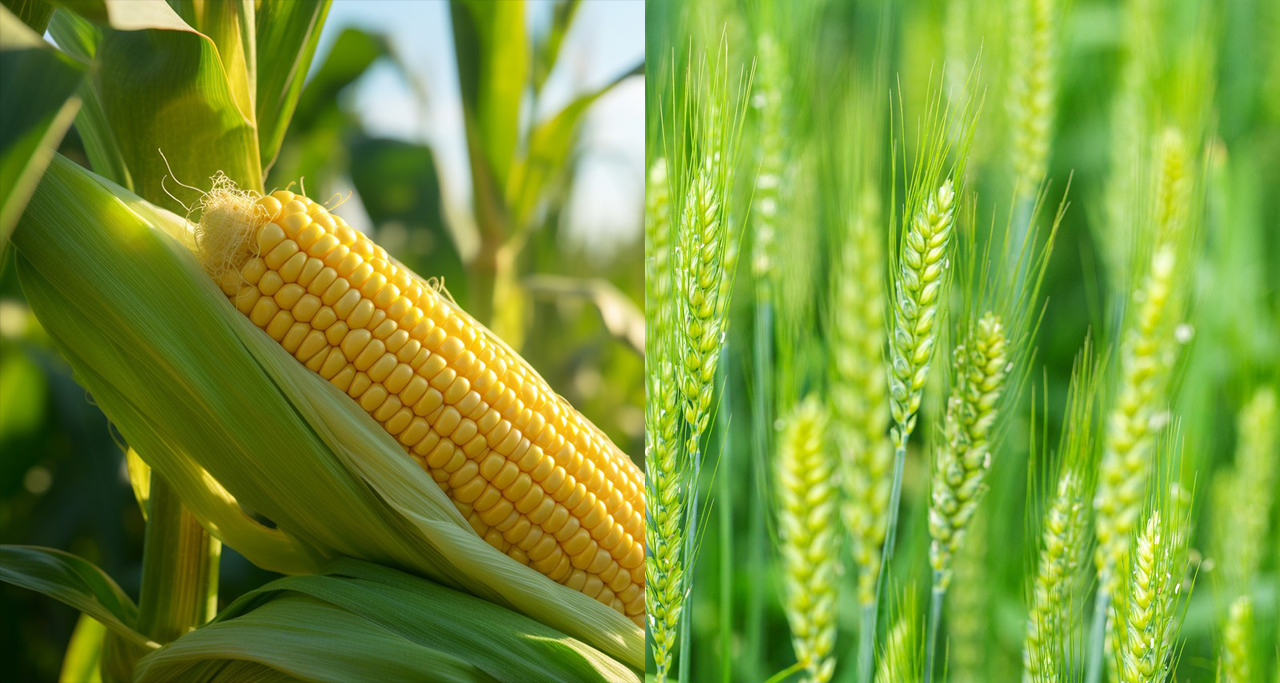
These sugars can ultimately originate from corn, wheat, sugar beet, sugarcane, or other carbohydrate-rich plant sources, depending on the manufacturer’s feedstock.
2. How the source material is transformed
Saccharide Isomerate is produced by subjecting the starting sugars to controlled enzymatic isomerization. The process rearranges the configuration of the sugar molecules, producing a mixture of isomerized saccharides.
A simplified representation is:
Plant starch/sugar → simple sugars → enzymatic isomerization → Saccharide Isomerate → purification/concentration
The resulting material is therefore biosynthetic/biotechnological in origin, even though its raw materials are commonly plant-derived.
3. Why it is called an “isomerate”
The term isomerate refers to a mixture containing sugars that have undergone structural rearrangement without fundamentally changing their molecular formula. The resulting saccharides have properties that make them particularly useful as humectants and skin-conditioning agents.
4. Natural vs. synthetic origin
Saccharide Isomerate is best described as naturally derived but processed:
| Aspect | Saccharide Isomerate |
| Ultimate source | Usually plant carbohydrates |
| Immediate raw materials | Simple sugars |
| Production | Enzymatic/biotechnological conversion |
| Chemical nature | Mixture of isomerized saccharides |
| Animal-derived? | Generally no |
| Typical cosmetic function | Humectant, skin conditioning |
Important: The exact sugar feedstock and manufacturing process can vary between suppliers. For a particular commercial Saccharide Isomerate, the manufacturer’s technical data or specification sheet is needed to determine the exact botanical/feedstock source.
If you’re studying Saccharide Isomerate for cosmetics, its source → enzymatic production → molecular composition → skin-binding/humectant mechanism is the key chain to understand.